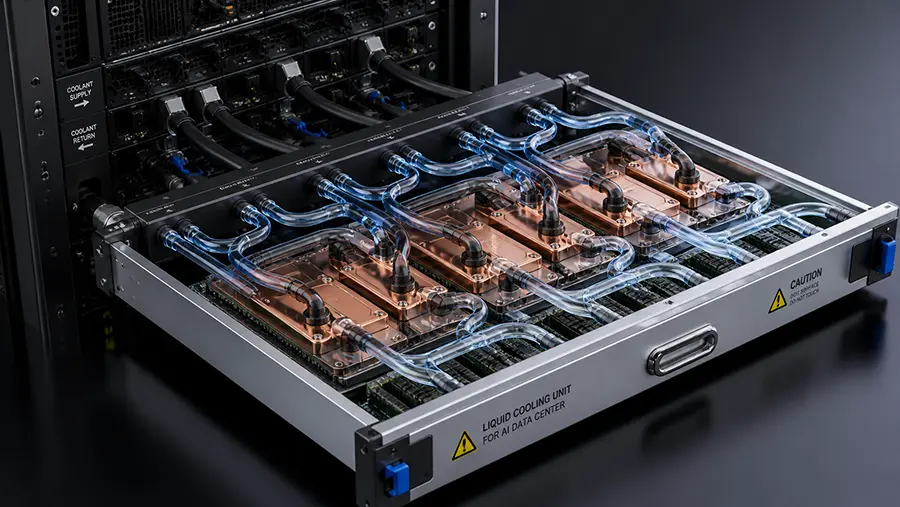
Tesla and SpaceX’s plans to expand photovoltaic production capacity have once again brought space-based solar power into the global spotlight.
This is not simply an extension of ground-based photovoltaics into space. It is part of a long-term strategic layout around orbital energy.
From a manufacturing perspective, this article explains why space-based solar power has become the preferred energy source for space activities, and introduces its technical routes and industrial prospects.
Why Is Space-Based Solar Power the Preferred Energy Source for Space Activities?
Space-based solar power is a technology that uses solar cells to directly convert solar radiation into electricity in an orbital environment. Because sunlight in orbit is strong, stable, and unaffected by weather, it has become a reliable long-term energy solution for space missions.
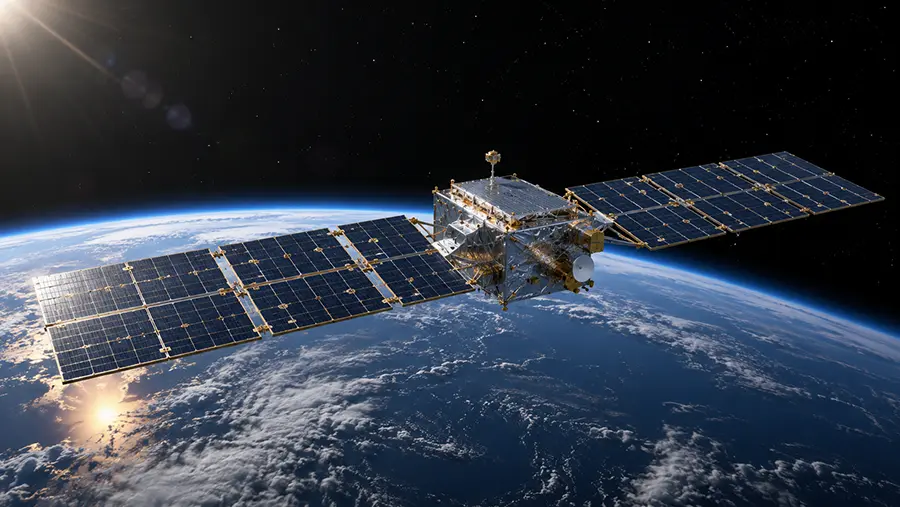
At present, the main power sources used in spacecraft include solar power, chemical power, and nuclear power:
| Dimension | Space-Based Solar Power (Solar Cells) | Chemical Power (Batteries/Fuel) | Nuclear Power (RTG/Reactor) |
| Weight | Light | Medium | Heavy |
| Lifespan | Long (10–15 years) | Short (requires replacement or resupply) | Long (decades) |
| Environmental Adaptability | High (radiation-resistant and tolerant of temperature differences) | Medium (weak low-temperature performance) | Extremely high |
| Cost | Medium to high | Medium | Extremely high |
| Limitations | Depends on sunlight | Limited lifespan | High cost and strict regulation |
| Applicable Scenarios | Low Earth orbit satellites, space stations, lunar bases | Short-term near-Earth missions | Deep-space exploration, permanently shadowed regions |
In low Earth orbit and mainstream space missions, photovoltaic power has become the optimal solution thanks to its combination of lightweight design, long lifespan, and low maintenance.
Why Is Space More Suitable for Solar Power Generation?
Ground-based photovoltaic technology is already mature, but the space environment offers fundamental advantages:
| Dimension | Space-Based Solar Power | Ground-Based Solar Power |
| Light Intensity | High (with no atmospheric attenuation) | Affected by weather and the atmosphere |
| Power Generation Efficiency | High and stable | More volatile |
| Day-Night Impact | Can be reduced through orbital design | Clear day-night alternation |
| Temperature Impact | Extreme temperature differences require special design | Relatively moderate |
| Obstruction Factors | Almost none | Clouds, dust, and other factors |
The space environment provides more stable and stronger sunlight, significantly improving the efficiency of photovoltaic systems.
Comparison of the Three Main Technical Routes for Space-Based Solar Power
At present, there are three main technical routes for space-based solar power:
| Dimension | Multi-Junction Gallium Arsenide Cells | Silicon-Based P-Type HJT Cells | Perovskite Tandem Cells |
| Specific Power | 0.4–3.8 W/g
(low to medium) |
0.35 W/g
(low) |
23 W/g
(high) |
| Flexibility | Low | Low | High |
| Conversion Efficiency | Extremely high (30%+) | Medium to high | Extremely high potential |
| Radiation Resistance | High | High | High |
| Manufacturing Cost | High | Low | Low |
| Space Adaptability | Best suited for high-end satellites | Balanced, main route for low Earth orbit satellites | Long-term direction |
High-end satellites and deep-space exploration still mainly rely on gallium arsenide cells. However, in the low Earth orbit satellite sector, the industry is rapidly shifting toward silicon-based HJT and perovskite routes to achieve low-cost, large-scale manufacturing.
Industrial Prospects of Space-Based Solar Power
The accelerated construction of low Earth orbit satellite constellations is pushing space-based solar power from a frontier technology toward a trillion-level industry.
- Low Earth Orbit Satellite Constellations Create Large-Scale Demand
Projects such as Starlink and China’s satellite internet constellations are expected to generate several gigawatts of space-based photovoltaic demand each year, driving the industry from small-batch customization toward large-scale mass production.
- Ground-Based Photovoltaic Production Lines Are Upgrading Toward Space-Grade Manufacturing
Mature ground-based photovoltaic production lines can be adapted for space-grade manufacturing through material and process upgrades, greatly reducing costs.
- Precision Manufacturing Plays a Key Role in the Industrial Chain
Competition in space-based solar power will ultimately come down to manufacturing capability. Lightweight structural components, highly reliable modules, precision molds, and injection-molded parts all require support from advanced manufacturing companies.
Conclusion: Manufacturing Opportunities Behind Technological Upgrades
The development of space-based solar power is essentially a competition that combines materials science with precision manufacturing capability. From cell structures to module packaging, every step depends on high-precision molds and advanced manufacturing processes.
If you have demands for space-grade precision structural parts, aerospace molds or high-reliability injection molded parts, RJC Mold is ready to provide professional manufacturing support. We specialize in CNC machining, mold manufacturing and injection molding, serving the aerospace and high-end equipment industries.
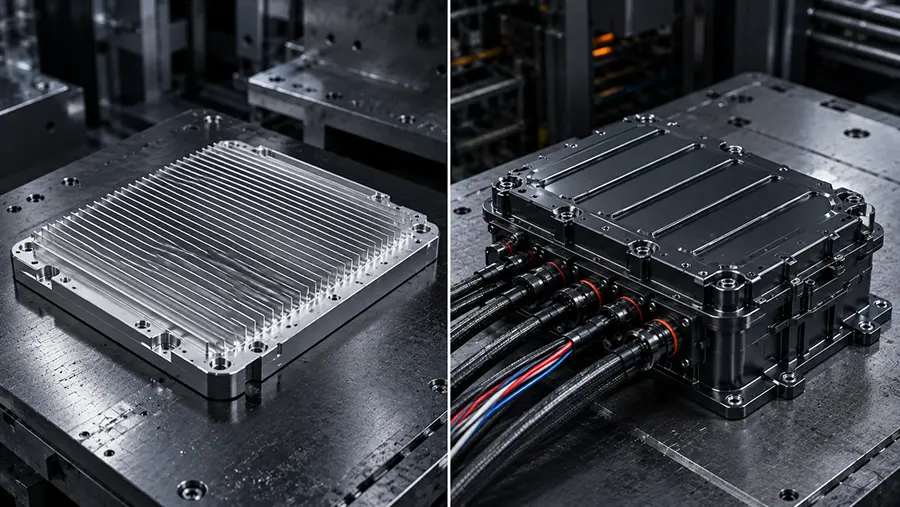
Space-based photovoltaic components
Feel free to contact our senior engineers to explore more customized manufacturing solutions.