


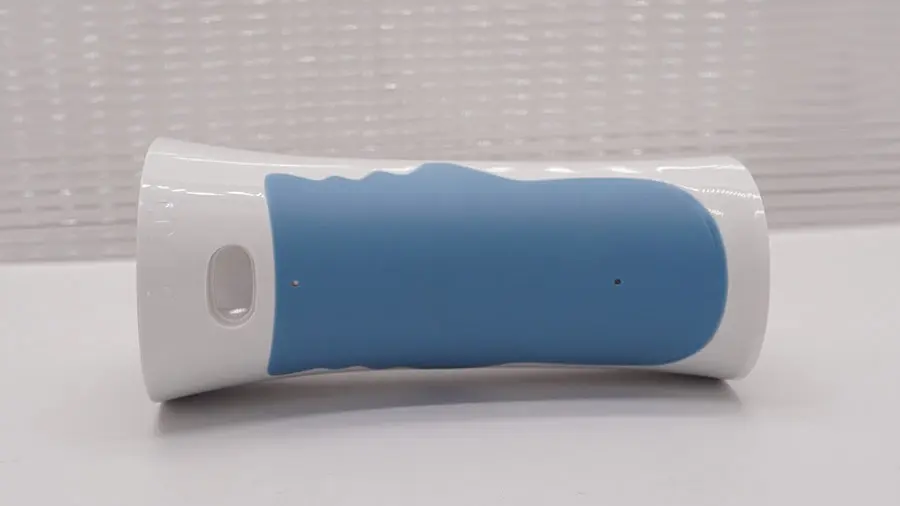
What Is Overmolding?
Overmolding is a injection molding process with multiple materials , which is designed to cover the surface of one material (the base material, e.g., metal or plastic parts) with another material via injection molding. This creates an integrated, multi-material composite product that combines the performance advantages of both materials—such as the strength of the base material and the slip resistance, sealing, or cushioning properties of the overmolded one.
Applications of Overmolding
Overmolding techniques are widely used across virious indutries to enhance product quality or functionality, including:
- Tool handles: Rigid plastic or metal substrates overmolded with soft materials to enhance grip comfort.

- Electronic device housings or components: Overmolding silicone gaskets onto PC or other substrate materials to improve sealing performance.
- Medical catheters: Overmolding rubber seals onto plastic tubing to increase impact resistance.
- Seat armrest components: Hard plastic substrates overmolded with PU materials to enhance softness and comfort.

Ovemrolding Process Flow
Before overmolding process, overmolding material selection is also critical. Compatibility between the substrate and overmold material affects bonding quality and the performance of the final product. Commonly used overmolding materials include thermoplastic elastomer, thermosets, and rubber, which can be chosen based on the required characteristics of the finished product.
After selecting the suitable overmolding material, the next key step is the implementation of the overmolding process.
1.Base Material Forming: Based on the performance requirements of the product or part, select plastic materials for injection molding to form the plastic base material, or obtain the metal base material by processes such as stamping, wire cutting, or CNC machining from the prototype metal material. The primary purpose of most base materials is to enhance strength.
During actual production, if the formed substrate fails to bond securely and seamlessly with the overmolded material, the substrate design must be reviewed. Typically, features like protrusions, recesses, tabs, snaps, grooves, or holes are incorporated to enhance the strength and integrity of the overmolded assembly.
2.Substrate Placement: Metal substrates or cooled, solidified plastic substrates are positioned within the designated area of the overmolding die. Placement methods—manual or robotic—are selected based on production efficiency requirements and substrate dimensions, with precise and accurate positioning essential.
In actual production process, issues like substrates failing to fit or remain stable in the mold’s designated position may arise. These situations can compromise overmolding quality and even damage the mold. Therefore, these factors must be thoroughly considered during mold design and manufacturing. More importantly, strict control over substrate tolerance ranges is essential.
3.Overmolding Injection: The overmolding material (e.g., TRP, silicone, TPE, or other materials providing flexibility, slip resistance, sealing properties, etc.) is melted under heated and pressurized conditions in an injection molding machine and injected into the overmolding mold to complete the injection process.
The overmolding material must be compatible with the substrate, with a melting point lower than the substrate’s to prevent secondary melting and adhesion. Certain material combinations require the addition of a bonding agent. Strict adherence to process parameters such as temperature and pressure is essential during injection molding.
4.Cooling and Demolding: Based on process-defined cooling time parameters for different materials and shapes, the overmolded product or part is cooled and solidified using the mold’s water cooling system or other cooling methods. The product is then demolded and removed. Some products require additional setting time post-demolding to prevent deformation. After visual inspection or repair, the demolded product or part is placed into product containers.
Common Quality Defects in Overmolding and Their Prevention
The manufacturing process of overmolded parts generates more complex quality issues than single-shot injection molding. Beyond addressing process-related problems, measures should also be taken to prevent quality defects in the formed products. Here are some common defects and the corresponding quality control measures.
| No. | Defect | Cause | Preventive Measures |
| 1 | Interface separation, poor adhesion | 1. Oil contamination or impurities on substrate surface; 2. Substrate not preheated; 3. Poor compatibility between the two materials; 4. Insufficient bonding layer temperature. |
1. Clean the substrate surface; 2. Preheat the substrate (40-80°C); 3. Select compatible material combinations; 4. Increase the melt temperature of the bonding layer |
| 2 | Short shot, insufficient filling | 1. Insufficient injection pressure or speed; 2. Barrel temperature too low; 3. Poor mold venting; 4. Improper gate location; |
1. Increase injection pressure and speed; 2. Increase barrel temperature; 3. Add mold venting channels; 4. Optimize gate design. |
| 3 | Flash | 1. Insufficient clamping force; 2. Excessive mold clearance; 3. Injection pressure too high; 4. Welding temperature too high. |
1. 1.Increase clamping force; 2. Modify the mold to reduce clearance; 3. Reduce injection pressure; 4. Appropriately lower the welding temperature |
| 4 | Bubbles | 1. Moisture or volatile substances present in raw material; 2. Excessive barrel temperature causing material decomposition; 3. Poor mold venting. |
1. Pre-dry raw material sat 80-120°C for2-4hours; 2. Reduce barrel temperature; 3. Optimize the mold venting structure |
| 5 | Weld line | After melt diversion,the converging points is low,and injection speed is slow. | 1. Increase melt temperature; 2. Increase injection speed; 3. Reduce melt diversion; 4. Place vent holes at the weld line. |
| 6 | Surface sink marks | 1. Insufficient holding pressure or time; 2. Excessive welding temperature; 3. Uneven wall thickness of the product. |
1. Increase holding pressure and time; 2. Reduce welding temperature; 3. Design products with uniform wall thickness. |
| 7 | Warpage | 1. Significant difference in shrinkage rates between two materials; 2. Uneven cooling; 3. Mold temperature is too high. |
1. Select materials with similar shrinkage rates; 2. Optimize the cooling system for uniform cooling; 3. Lower the mold temperature. |
| 8 | Dimensional deviation | 1. Insufficient mold precision; 2. Improper holding pressure parameters; 3. Insufficient cooling; 4. Fluctuations in material shrinkage rate. |
1. Repair the mold to improve precision; 2. Adjust holding pressure parameters; 3. Delay cooling time; 4. Control raw material batch stability. |
Extended Discussion on Overmolding Effects
Currently, the market features products achieving overmolding effects without dedicated overmolding molds, such as the secure bonding between tool bodies (steel blades, ceramic blades, etc.) and soft plastic handles. These products leverage the principle of thermal expansion and contraction to treat the base material and overmolded component. When assembled under specific temperature conditions and tooling, they achieve a robust and seamless overmolding effect at room temperature. This approach demands high compatibility between material properties and structural design but offers significant cost savings. This process warrants further exploration and research.