

The difficulties of thin-wall injection molding span materials, molds, and processes. Whether in the production of miniature electronic housings or precision plastic parts, high flow resistance, severe warping, and low mold tolerance all contribute molding extremely complex. This explains why thin-wall injection molding has long been considered one of the most challenging aspects of injection molding.
I. What Constitutes Thin Wall Plastic Injection Molding?
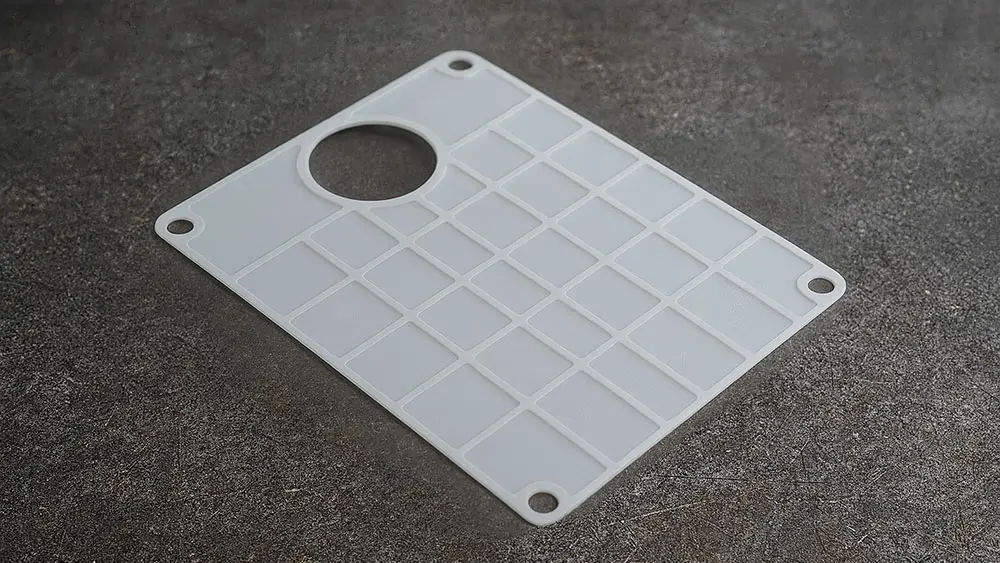

In simple terms, thin-wall injection molding is an advanced injection molding process specifically designed for manufacturing plastic products with extremely thin walls. However it’s precise definition is not merely “being thin.” It typically has two levels of measurement criteria:
Absolute wall thickness: Wall thickness ≤ 1.0mm
Flowability difficulty: Flow Length-to-Thickness Ratio (L/T Ratio) ≥ 150. When this ratio exceeds 150:1, regardless of the absolute wall thickness, it falls into the category of high-difficulty thin-wall injection molding.
II. Why is Thin Wall Plastic Injection Molding So Challenging?
The “difficulties” of thin-wall injection molding are not isolated issues but rather a systematic challenge that is interrelated. They mainly manifest in the following aspects:
1. High Flow L/R Ratio Creates Significant Filling Resistance
Narrow injection runners in thin-walled parts exponentially increase resistance. The melt must pass through extremely thin cross-sections within a fraction of a second; otherwise, it solidifies, causing short shots, material shortages, or scorching. When wall thickness is less than 1mm, the melt may solidify within 0.1 seconds. Poor mold cooling or venting design exacerbates short shot issues.
Example: In consumer electronics plastic housing molding, thin-walled areas with thickness as low as 0.4–0.5 mm frequently exhibit short shots and incomplete filling at corners and edges. Rapid cooling at the runner end slows melt velocity, making voids more likely to form at corners or thin ribs—especially in complex geometries with long runners. This significantly reduces the qualification rate of molded parts within the same production batch. Some components fail to align with housing snap-fit positions during assembly, directly impacting production line efficiency and product consistency.
2. High-speed, high-pressure injection molding machines are essential
Thin wall injection molding imposes stringent equipment requirements:
- Injection pressure typically requires 220–260 MPa
- Injection speed demands 200–300 mm/s
- Machines must possess extremely rapid response times and boost capabilities
High injection speed and pressure also accelerate gate wear, significantly increasing mold maintenance costs—an aspect often overlooked by many manufacturers.
3. Uneven cooling readily causes warpage
Thin-walled parts lack sufficient rigidity; even a 2–3°C cooling differential can amplify warpage to visible levels. Residual stress is the root cause of warpage in thin-walled parts, making mold temperature control and venting optimization critical.
Example: In LED lampshades injection molding, thin-walled flat areas frequently exhibit 0.8–1 mm warpage. Analysis reveals that thin-walled parts are highly sensitive to cooling uniformity. Even a slight deviation in cooling channel design can cause localized temperature differences of around 10°C, resulting in noticeable warping in the injection-molded part. Warping not only leads to dimensional deviations but also creates stress lines on transparent panels, compromising appearance quality and complicating subsequent assembly.
4. High demands on mold rigidity and durability
During injection molding, immense cavity pressure is exerted. Even minor mold deformation can cause inconsistent wall thickness, dimensional deviations, and short shots. The molds must possess:
- High-rigidity steel (e.g., H13 or similar high-strength grades)
- Thickened plates and tie bars
- Anti-mold expansion structures
- Efficient cooling and venting systems
High-speed, high-pressure injection accelerates mold wear, making mold durability and maintenance strategies critical.
5. Prone to Surface Defects (Flow Marks / Weld Lines)
The surface imperfection are easier to be noticed. In fact, thin-walled injection molding magnifies any minor defects.
- Gas streaks: cause the surface to exhibit misty or pearlescent streaks.
- Flow marks and sink marks: compromise aesthetics
- Weld/knit lines: weaken structural integrity
These issues often stem from melt flow velocity, uneven mold temperatures, gate placement, and rib design, necessitating simultaneous optimization during both design and process phases.
6. Extremely Narrow Process Window
Thin wall injection molding offers virtually zero tolerance for error:
- Trigger point shifted by 0.1mm → Short shot or flash
- Mold temperature deviates by 2°C → Warpage or melt freezing
- Injection speed reduced by 5% → Incomplete filling
This explains why thin-wall injection demands exceptional operator expertise and rigorous process control.
7. Higher Material Performance Requirements
- Thin-wall parts demand materials with:
- High flowability
- Excellent thermal stability
- Lower shrinkage rate
- Superior warpage resistance
Ordinary plastic materials cannot meet these demands, making material selection inherently challenging. Even slightly reduced flowability prevents complete filling, regardless of machine quality.
8. Minimal Design Tolerance for Molds
Thin-wall mold design requires:
- High-rigidity mold base
- Large gate size to prevent premature freezing
- Hot runner system to maintain melt temperature
- Dense cooling channels for uniform cooling
- Precise venting to avoid scorching
- Inserts must possess excellent thermal conductivity
The thinner the plastic wall, the easier it is for the melt to cool and solidify, resulting in a narrower filling time window and a geometric increase in molding difficulty.
Additionally, thin-wall injection molded parts exhibit high melt flow length-to-diameter ratios. Insufficient mold cooling or ventilation causes melt to freeze prematurely in runners, leading to short shots and surface defects. This necessitates careful consideration of radii, optimal rib placement, and venting channels during design.
Minor improper mold design flaws can result in incomplete filling or warping that prevents assembly.
For example: In the production of automotive interior components, thin-walled trim panels demand extremely high mold precision. Any minor deviation magnifies molding defects. When mold pins or positioning lack accuracy, thin-walled panels may exhibit localized thickness variations or minor flash. Such defects often result in significant scrap rates, increased rework costs, and compromised assembly consistency.
III. Common Industries for Thin-Wall Injection Molding
Despite the difficulties, the demand for thin-walled injection molding in the market is increasing day by day. Beyond consumer electronics, LED lampshades, and automotive interiors mentioned above, thin-wall injection molding is also used in:
| Industry | Application | for Thin-Wall |
| Home Appliances | Small palstic appliance housings | High precision, reduced material usage |
| Personal Care Products | Plastic spray nozzles | Aesthetic appearance, uniform wall thickness |
| Medical Devices | Disposable medical thin-walled plastic parts | Cost control, efficiency improvement |
| Packaging | Thin-walled containers, cup lids, disposable tableware | Minimized cycle times and material savings |
In these applications, thin-walled parts demand not only reduced wall thickness and weight but also dimensional accuracy and surface finish. High precision requirements necessitate the prevention of common defects such as flow marks and weld lines during the design and manufacturing stages.
Summary
Thin-wall injection molding technology has become a mainstream process in consumer electronics, automotive lightweighting, medical devices, and high-speed packaging. The core challenge lies in how to overcome a series of problems such as material degradation, insufficient filling, and warping deformation that occur when the molten material flows at high speed within an extremely narrow space. It is not only the ultimate manifestation of material science, mold engineering, and process control technology, but also a pivotal benchmark for evaluating the technical level of a manufacturing enterprise.