


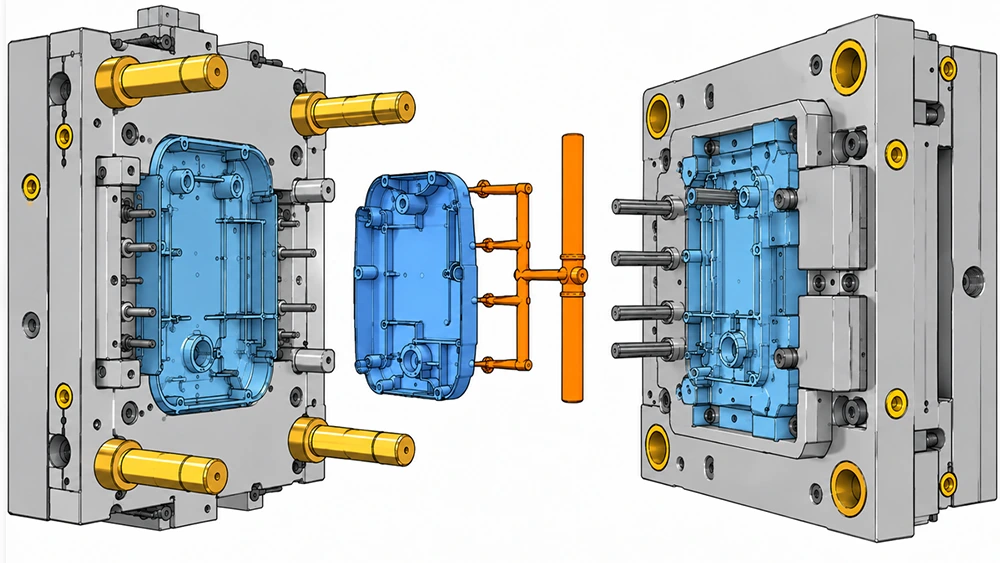
Do you think a mold is simply a “model box” made to match the shape of a product? In reality, a mold consists of many interconnected systems that work together to handle everything from plastic filling and cooling to venting and part ejection.
This article starts with the basics and introduces the main elements of mold design, the factors that influence the design, and the typical design process.
*In this article, “mold” specifically refers to molds used for plastic injection molding.
1. What Is Mold Design?
Mold design is the process of determining the overall mold structure and its functional systems based on the geometry of the plastic part, the material, and the production requirements.
The goal is to allow the molten plastic to fill the mold cavity and form the required part while achieving effective cooling, reliable ejection, and stable production.
Mold design involves more than defining the physical shape of the mold. It also requires consideration of molding, filling, cooling, venting, ejection, and mold opening. Different part geometries and production requirements can call for very different mold designs.

2. What Needs to Be Designed in a Mold?
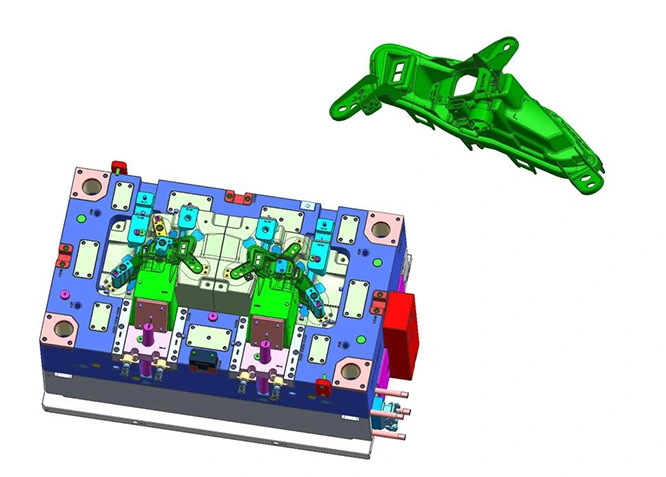
An injection mold consists of multiple systems that work together. Mold design involves determining the structure and operating method of these systems based on the characteristics of the part.
1) Molding System Design
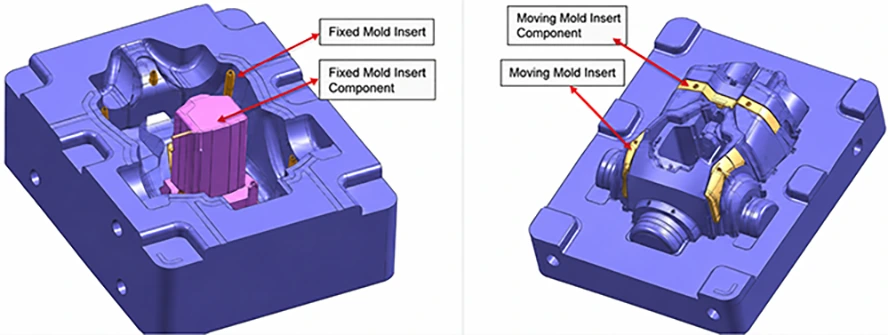
The molding system directly forms the shape of the plastic part and mainly includes the core, cavity, and mold inserts.
The core typically forms the internal features of the part, while the cavity forms its external features. Together, they create the space and geometry required for the finished part.
For parts with complex structures or areas that are prone to wear, replaceable inserts may also be used.

2) Gating System Design
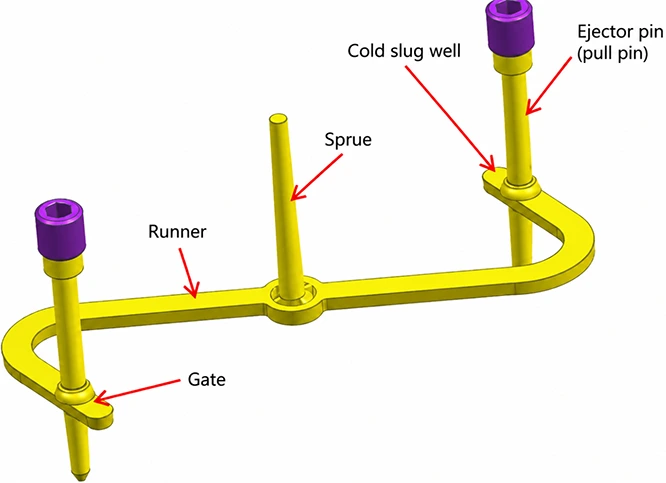
The gating system directs molten plastic from the injection molding machine into the mold cavity. It typically includes the sprue, runners, and gate.
The gating system needs to match the part geometry and material so that the plastic can flow into the cavity properly. For projects with higher production efficiency or appearance requirements, a hot runner system may also be used.

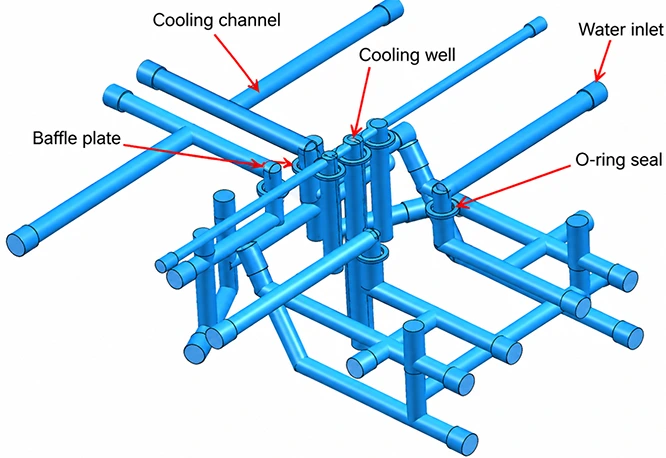
3) Cooling System Design
After the plastic enters the mold, it needs to cool and solidify. The cooling system typically uses cooling channels inside the mold to remove heat.
The cooling system affects the cooling rate, dimensional stability, warpage, and injection molding cycle time of the part. Cooling design becomes particularly important for parts with complex structures or significant variations in wall thickness.

4) Ejection System Design
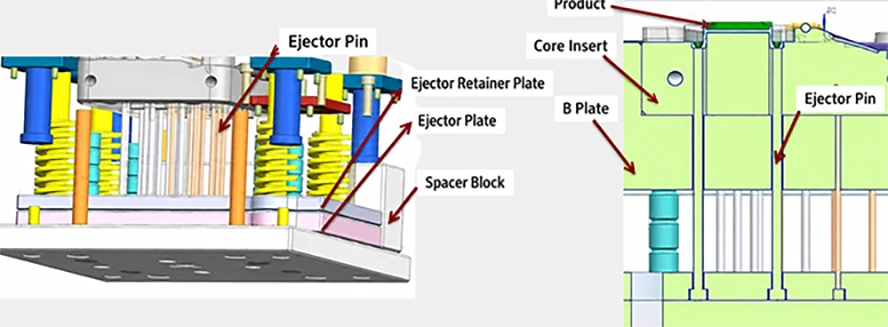
Once the part has cooled and solidified, it needs to be removed from the mold. The ejection system pushes the part off the core or out of the cavity.
Common ejection components include ejector pins, ejector sleeves, and ejector plates. The ejection system needs to allow the part to be removed smoothly while minimizing deformation or damage.

5) Venting System Design
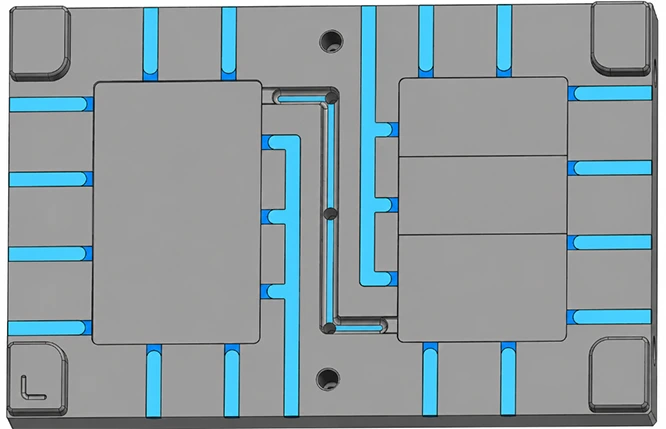
When plastic fills the mold cavity, the air and gases originally present inside the cavity need to escape. The venting system provides a path for them to do so.
Insufficient venting can lead to problems such as burn marks, trapped air, short shots, and surface defects. For this reason, venting is an important part of injection mold design.

6) Guiding and Alignment System Design
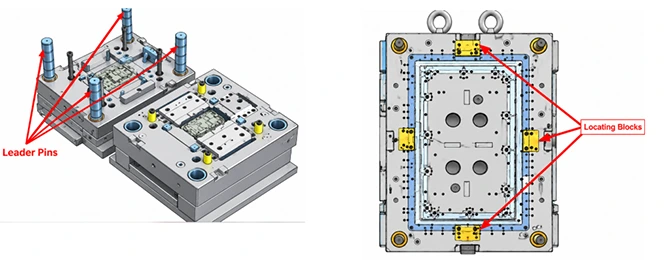
The guiding and alignment system keeps the different mold components in their correct relative positions as the mold opens and closes.
Common components include guide pins, guide bushings, and alignment features. They help ensure that the core, cavity, and other mold components fit together accurately.

7) Mold Opening and Demolding Mechanism Design
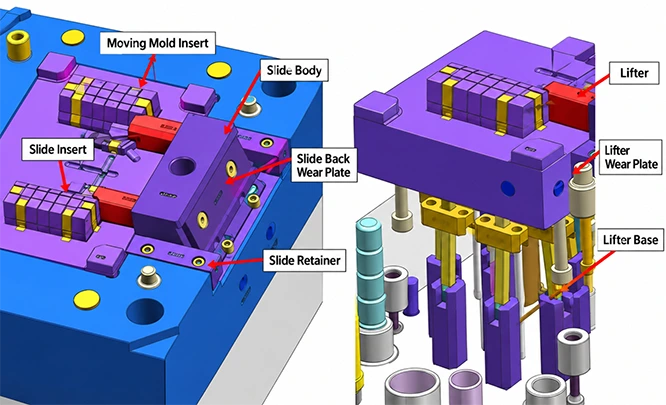
Some plastic parts have undercuts, side holes, threads, or other features that cannot be released directly from the mold. A standard ejection method may not be sufficient in these cases.
The mold may then require special mechanisms such as slides, lifters, core-pulling mechanisms, or unscrewing mechanisms, allowing the part to be released properly when the mold opens.

3. What Determines Mold Design?
There is no single mold structure that works for every product. The design is typically determined by considering the part and its production conditions as a whole.
1) Part Geometry
The size, shape, and detailed features of the part are important factors in mold design.
For example, a simple housing may only require a basic core, cavity, and ejection structure, while a part with undercuts, deep cavities, or complex side features may require slides, lifters, or other mechanisms.
2) Plastic Material
Different plastics have different flow characteristics, shrinkage rates, molding temperatures, and cooling behaviors. These material properties can affect the design of the gating system, cooling system, and even the selection of mold materials.
3) Product Requirements
The dimensional accuracy, appearance, surface quality, tolerances, and assembly requirements of the product all influence mold design.
For example, high-precision parts generally require tighter mold machining and fitting requirements, while appearance parts require greater attention to factors such as gate location, venting, cooling, and mold surface finish.
4) Production Volume
Low-volume projects may place greater emphasis on mold cost and development time, while high-volume production typically places more emphasis on tool life, cavity count, production efficiency, and maintenance costs. Different production volumes can lead to differences in mold complexity, material selection, and cavity configuration.
5) Production Efficiency
Mold design also needs to account for the actual injection molding cycle and production method. Cooling efficiency, part ejection, automation, and mold maintenance can all affect long-term production efficiency.
For example, if a part requires a shorter molding cycle, the mold design needs to consider more efficient cooling and ejection methods to reduce the time the part remains in the mold.
4. What Are the Typical Stages of Mold Design?
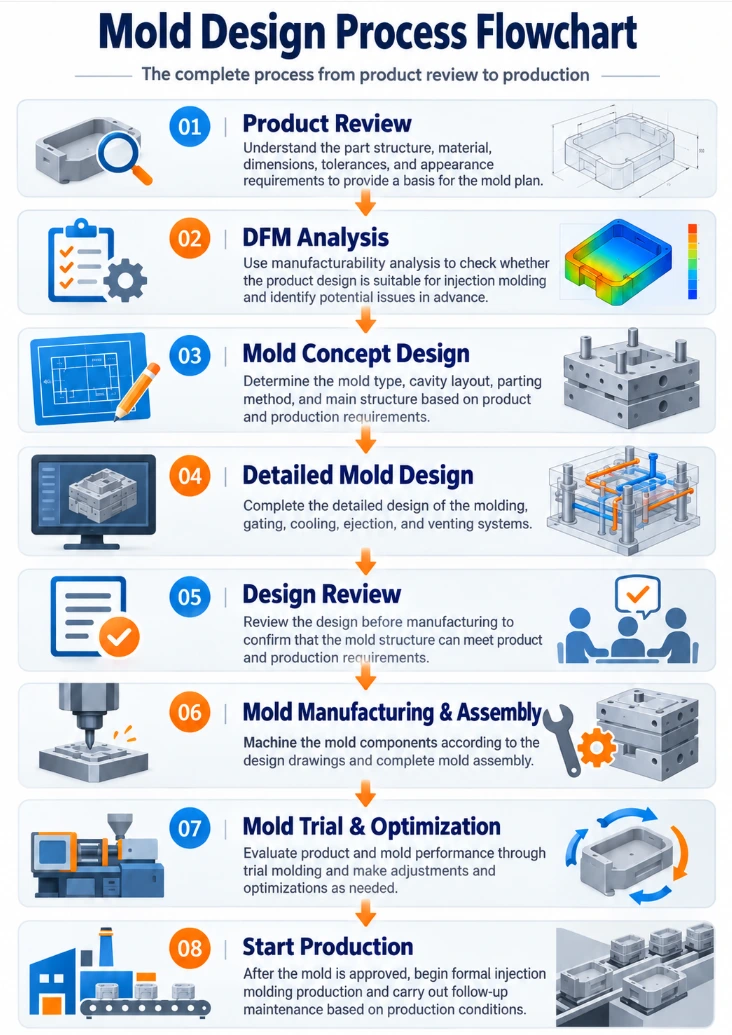
Injection mold design typically starts with product review and DFM analysis, followed by mold concept development, detailed design, manufacturing and assembly, and mold trial and optimization before the mold enters production. Each stage provides the basis for the next, helping ensure that the mold design meets both product and production requirements.

5. What Should a Good Mold Design Achieve?
A good mold design should do more than simply produce the part. It also needs to support stable, long-term production.
Part Quality: Ensure that the product meets its dimensional, appearance, and functional requirements.
Molding Stability: Keep the filling, cooling, and ejection processes stable and minimize production variation.
Cycle Time: Proper cooling and ejection solutions can help shorten the injection molding cycle and improve production efficiency.
Mold Life: Select appropriate structures and materials based on the production volume and operating conditions so that the mold can achieve its expected service life.
Maintenance: The mold should be easy to inspect, maintain, and repair, with wear components that can be replaced when needed.
Manufacturing Cost: Keep mold machining and manufacturing costs under reasonable control while meeting the required product and production specifications.
Ultimately, a good mold design needs to strike the right balance between part quality, production efficiency, mold life, maintenance, and cost.
Choosing the Right Mold Solution for Your Project
RJC Mold has in-house teams for mold design, manufacturing, assembly, and mold trials. From DFM analysis through mold manufacturing and optimization, we provide engineering support throughout the process and develop reliable mold solutions based on different part geometries and production requirements. Have a new plastic part project? Send us your CAD files.
Conclusion
You can usually tell whether a mold design works well once it reaches mold trials and production. A well-designed mold is generally easier to debug, produces more consistent parts, and is easier to maintain and modify later. For complex parts, spending a little more time working out the mold concept upfront can often save more time and cost than making repeated mold modifications later.