


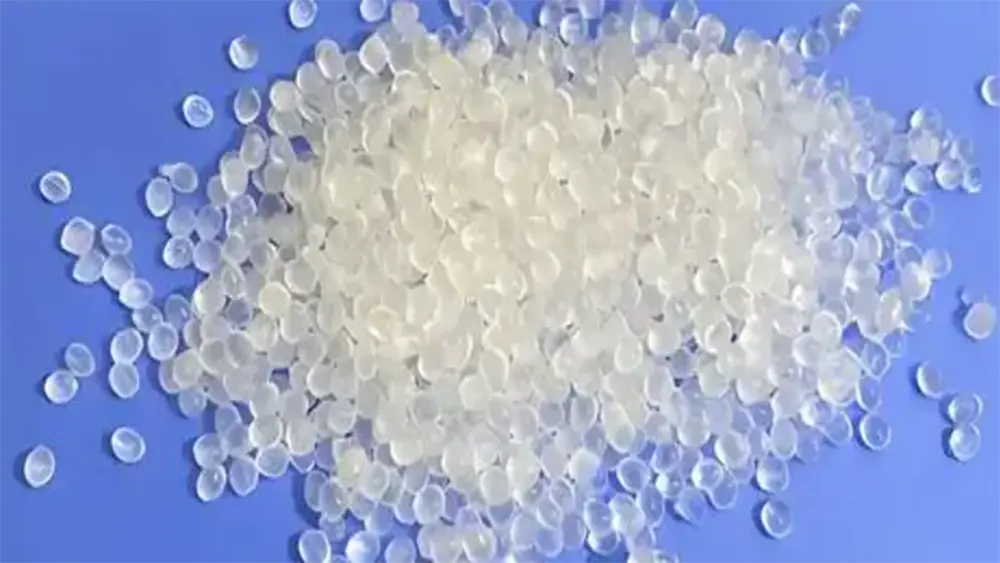
Elastomers are a class of polymer materials with a high capacity for elastic deformation. They can return to their original shape after being stretched, compressed, or bent, which makes them widely used in manufacturing for sealing, vibration isolation, cushioning, and flexible components.
1. What Is an Elastomer?
1) Basic Definition of Elastomers
An elastomer is a class of polymer materials that can undergo significant elastic deformation. When stretched, compressed, or bent, it can deform considerably and then return to nearly its original shape once the external force is removed.

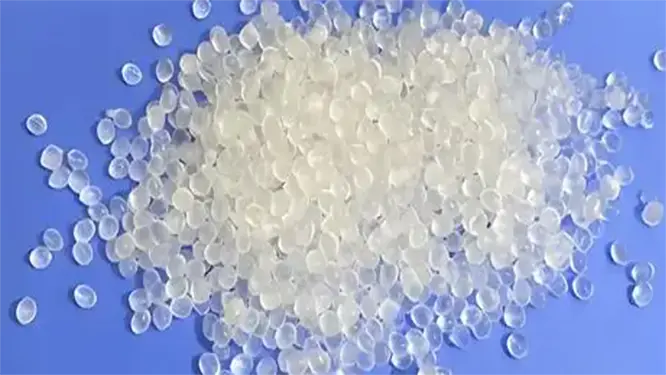
2) Why Are Elastomers Elastic?
Elastomers are made up of long-chain polymers. When subjected to an external force, these molecular chains can stretch and deform. Once the force is removed, they tend to return to their original state.
Some elastomers also have a crosslinked structure, which helps stabilize the molecular chains and improves the material’s elasticity and shape recovery.
3) Are Rubber and Elastomers the Same Thing?
Rubber and elastomer are often used interchangeably, but they are not exactly the same.
Rubber is a common type of elastomer, while elastomer is a broader category of materials. Some elastomers have the typical characteristics of rubber, but they are not necessarily traditional rubber materials.
2. What Are the Main Properties of Elastomers?
1) High Elasticity
Elastomers have a high capacity for elastic deformation. They can undergo significant deformation when stretched, compressed, or bent and return to nearly their original shape once the external force is removed. This ability to deform and recover repeatedly is one of the most characteristic properties of elastomers.
2) Flexibility
Elastomers generally have good flexibility and can withstand bending, folding, and repeated deformation while maintaining their structural integrity. Flexibility is affected by factors such as material hardness, temperature, and molecular structure.
3) Wide Range of Hardness
Elastomers have a relatively wide hardness range, typically from around Shore A 10 to above Shore A 90. Lower-hardness elastomers are softer and deform more easily under pressure, while higher-hardness elastomers provide greater support and undergo less deformation.
4) Wear Resistance
Elastomers offer varying levels of wear resistance and can withstand surface wear caused by prolonged friction, abrasion, and repeated contact. Their wear resistance is influenced by factors such as material structure, hardness, and actual friction conditions.
5) Chemical and Temperature Resistance
The molecular structure and chemical composition of an elastomer determine how well it withstands different environmental conditions. A stable molecular structure can help the material better resist temperature changes and exposure to chemical media such as oils, water, and solvents, reducing the risk of softening, hardening, swelling, or performance degradation.
For example, the molecular structure of EPDM gives it good resistance to heat, water, and aging, while NBR offers good oil resistance.
6) Good Sealing and Vibration-Damping Properties
Elastomers can deform under pressure and fill small gaps between contacting surfaces, giving them good sealing capabilities. At the same time, when subjected to impact or vibration, they can absorb part of the energy through deformation, helping to provide cushioning and vibration damping.
3. What Are the Common Types of Elastomers?
1) Natural Rubber
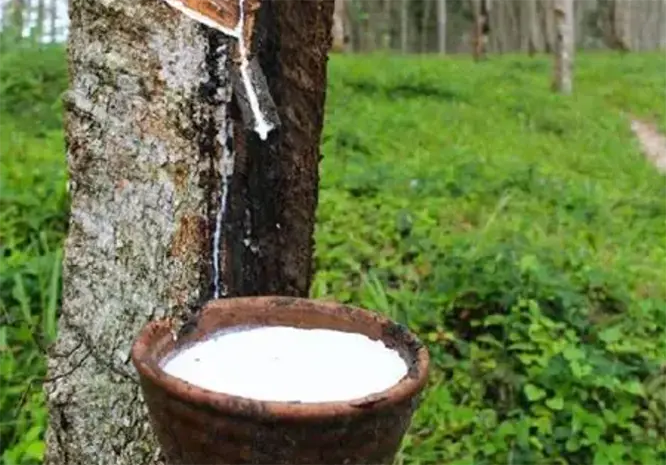
Natural rubber is mainly obtained from the natural latex of rubber trees. It has good elasticity, flexibility, and wear resistance. Its elastic recovery is generally good, but its resistance to oil, ozone, and aging is relatively limited.

2) EPDM
EPDM (Ethylene Propylene Diene Monomer) offers good resistance to heat, water, ozone, and aging. It can maintain relatively stable performance in outdoor environments and under significant temperature fluctuations.
3) NBR
NBR (Nitrile Butadiene Rubber) is best known for its good oil resistance and can withstand exposure to mineral oils, fuels, and other oil-based media. It also provides a certain level of wear resistance and mechanical strength.
4) Silicone Rubber
Silicone rubber has a wide operating temperature range and can maintain good flexibility and elasticity at both high and low temperatures. It also offers good weather and aging resistance.
5) TPE
TPE (Thermoplastic Elastomer) combines the softness and resilience of elastomers with the ability of thermoplastic materials to soften when heated and solidify when cooled. It can be processed using common thermoplastic manufacturing methods, offering greater processing flexibility.
6) TPU
TPU (Thermoplastic Polyurethane) offers good elasticity, wear resistance, mechanical strength, and tear resistance. Compared with many traditional elastomers, it also has thermoplastic processing characteristics, making it suitable for parts that require a balance of elasticity and strength.
4. What Are the Common Applications of Elastomers?

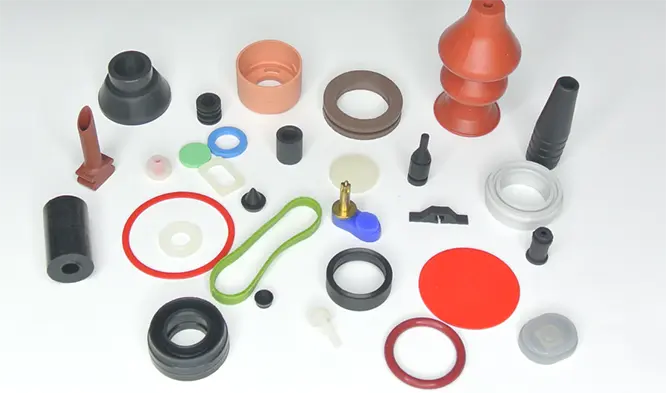
Different types of elastomers have different performance characteristics, so they are used in different areas of manufacturing. The following table shows several common elastomers and their typical applications:
| Elastomer Type | Common Applications |
| Natural Rubber | Tires, vibration-damping components, rubber belts, gloves, etc. |
| EPDM | Automotive weatherstrips, door and window seals, hoses, gaskets, etc. |
| NBR | O-rings, oil seals, sealing gaskets, oil-resistant hoses, etc. |
| Silicone Rubber | Seals, medical device components, electronic product seals, kitchenware, etc. |
| TPE | Soft-touch handles, seals, soft-touch components, overmolded parts, etc. |
| TPU | Phone cases, seals, rollers, flexible structural components, etc. |
5. Can Elastomers Be Injection Molded?
Yes, but it depends on the type of elastomer.
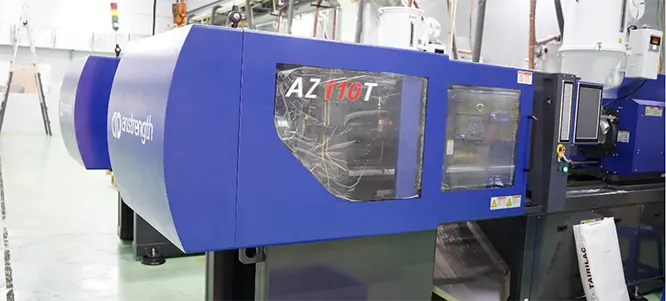
Thermoplastic elastomers such as TPE and TPU can be processed by injection molding. They are typically fed into an injection molding machine in pellet form, heated until they soften, and then injected into a mold before being cooled to form the finished part.
Traditional rubber is processed differently and typically requires vulcanization or another curing process to achieve its final properties.
For parts that require high-volume production, complex geometries, or overmolding with other plastics, materials such as TPE and TPU can offer greater processing flexibility.

Summary
Elastomers offer good elasticity and flexibility, while different types can provide varying levels of wear, temperature, and chemical resistance. When selecting an elastomer, elasticity is not the only factor to consider; hardness, operating environment, and processing method are also important.