Polyester vs. Nylon: A Side-by-Side Comparison
Polyester and Nylon are both common synthetic materials that are widely used in injection molded parts within the engineering plastics field. They [...]


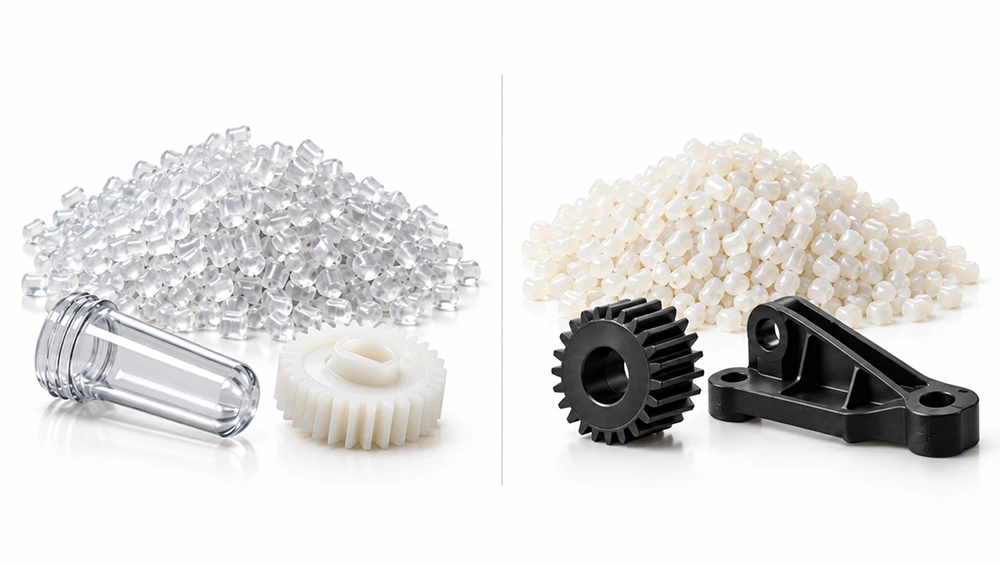
Polyester and Nylon are both common synthetic materials that are widely used in injection molded parts within the engineering plastics field. They [...]
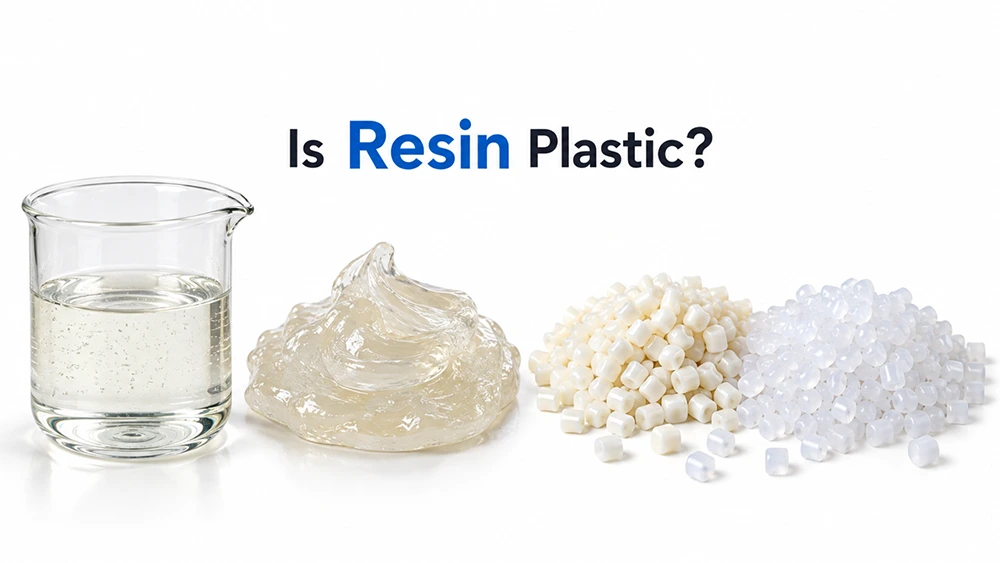
Some resins are plastics, but not all resins are considered plastics. Many synthetic resins can be used directly as plastic materials [...]

Elastomers are a class of polymer materials with a high capacity for elastic deformation. They can return to their original shape after [...]
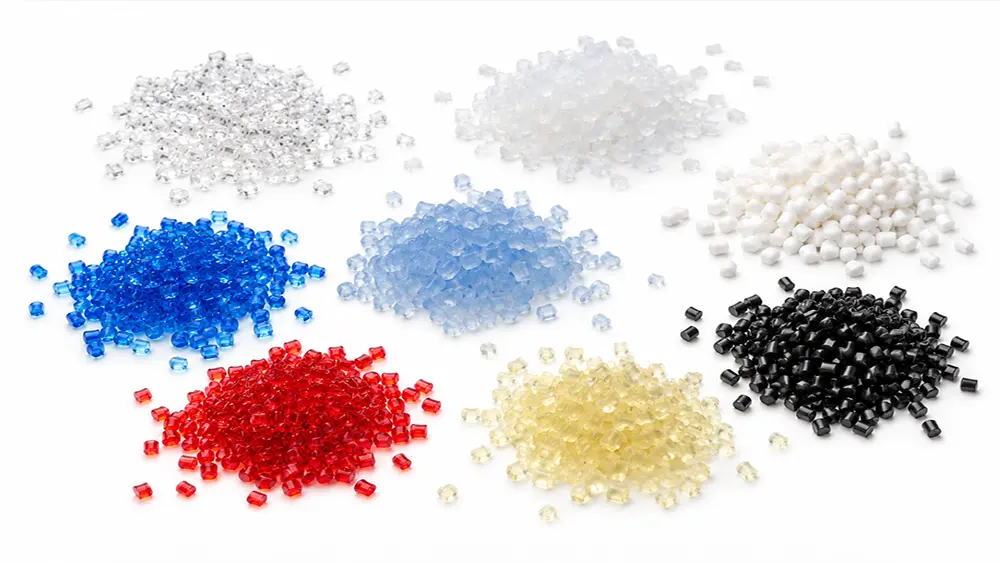
The key difference between transparent, translucent, and opaque plastics lies in whether light can pass through the material and how much [...]
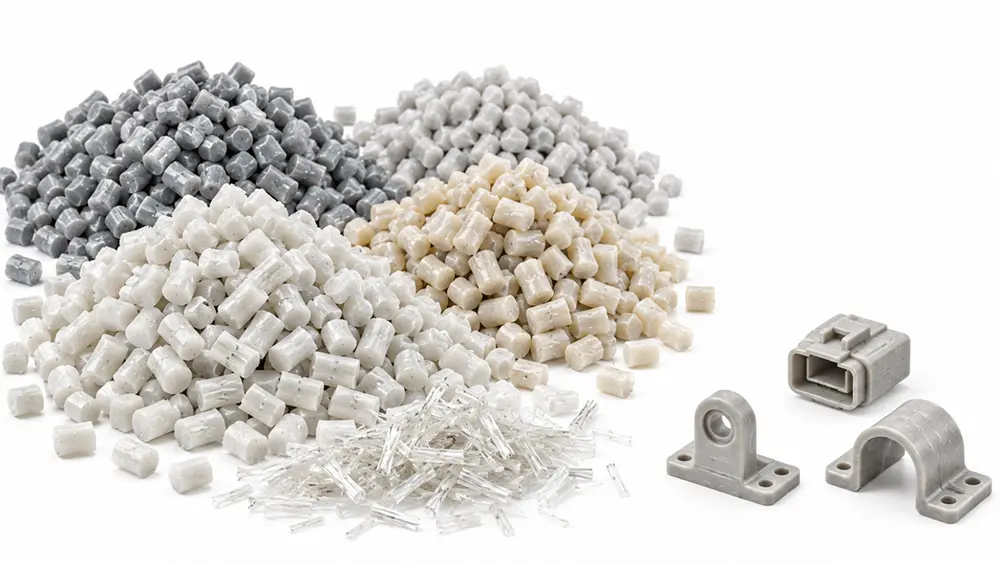
Glass-filled plastics are reinforced materials made by adding a certain percentage of glass fiber to conventional plastics. Compared with unfilled plastics, they [...]
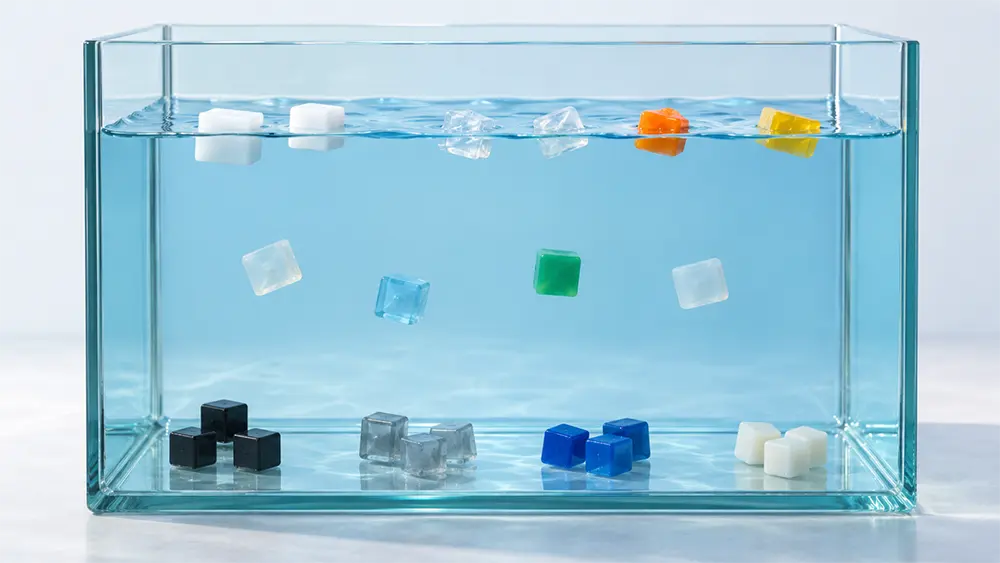
Plastic density is one of the most fundamental physical properties used to compare different plastic materials. It also directly affects part [...]
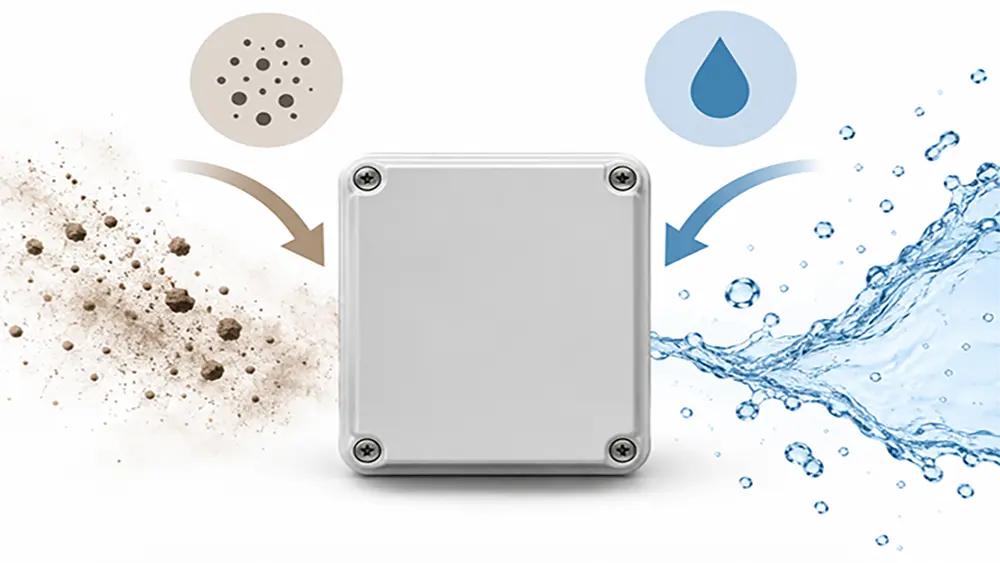
For outdoor electronics, sensors, controllers, and industrial equipment, plastic enclosures must do more than protect internal components. They also need to [...]
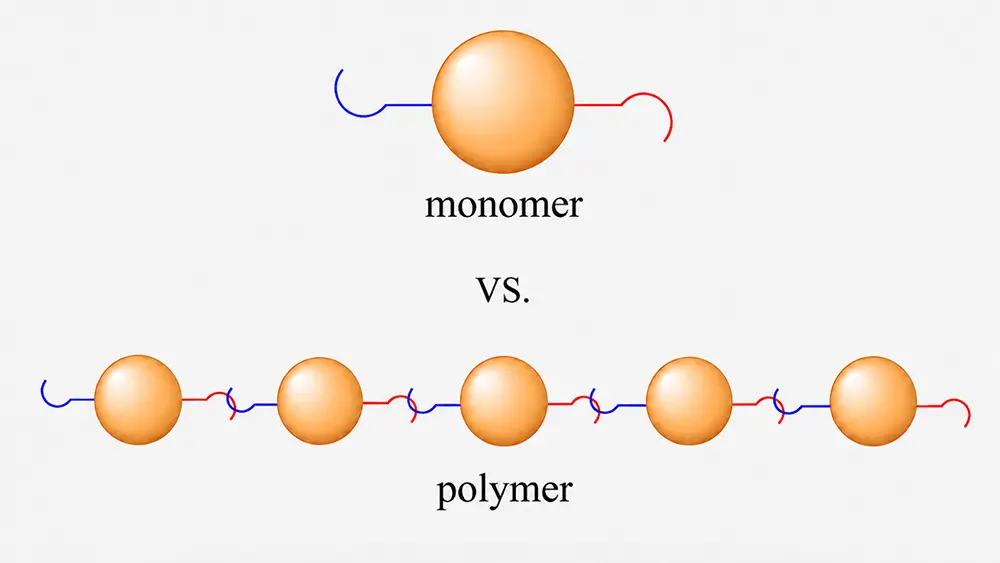
Polymers and monomers are two closely related concepts in polymer materials. Simply put, a monomer is the basic molecular building block [...]
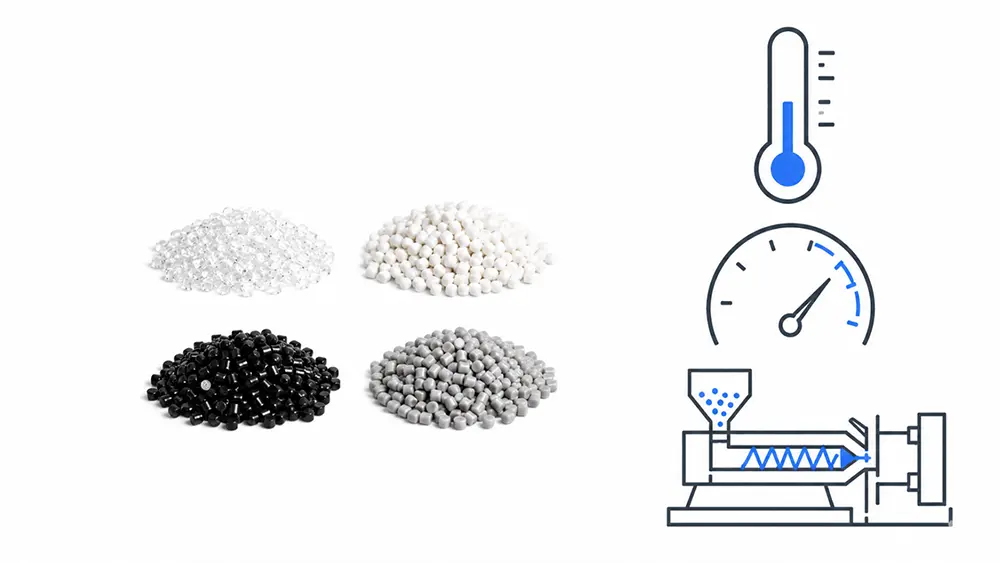
Different plastics exhibit very different melting behaviors, so there is no single universal “melting point of plastic.” At the same time, [...]