

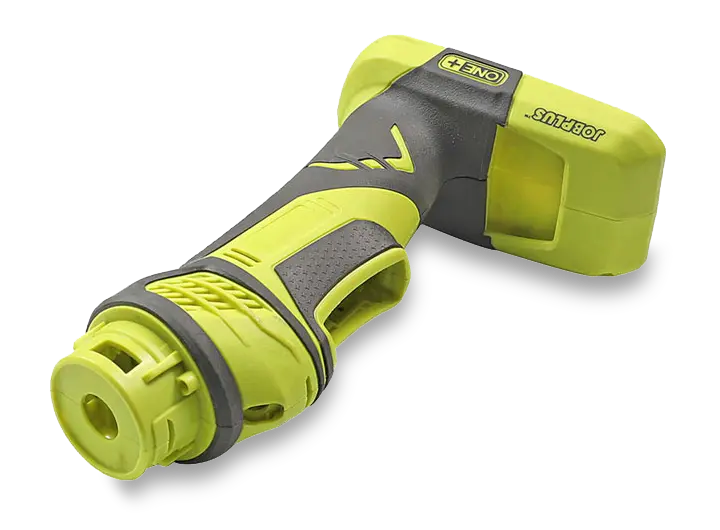
What is Two Shot Injection Molding?
Two-shot injection molding (also known as dual-shot or multi-shot molding) is a process in which two different materials or colors are injected into one mold, one after the other, during a single cycle.
By injecting materials in two stages within the same mold, two-shot molding enables the creation of multi-color and multi-material components with precision and durability. Compared to traditional single-color injection molding and secondary assembly, it offers superior aesthetics, better performance, and higher production efficiency.
Advantages Of Two Shot Injection Molding
Two-Shot Molding Applications
One part. More possibilities.
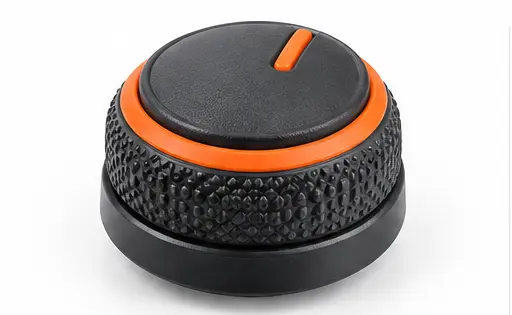
Automotive
Control knobs, switches and interior parts
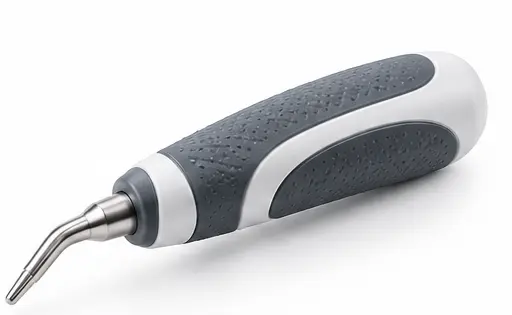
Medical Devices
Instrument grips, housings and controls
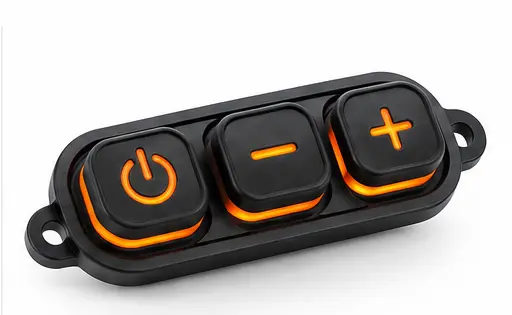
Consumer Electronics
Backlit buttons, bezels and protective parts
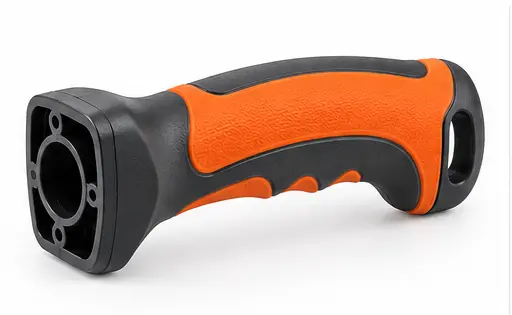
Power Tools
Non-slip grips and vibration damping
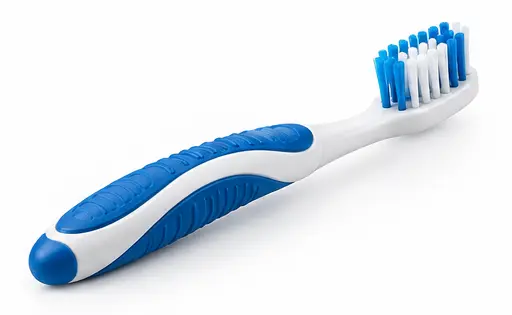
Household Products
Toothbrushes, razors and appliance handles
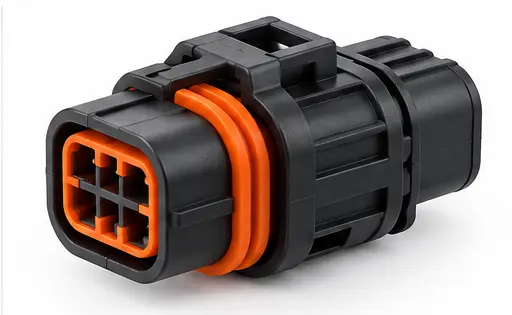
Industrial Components
Connectors, seals and control elements
Materials for Two-Shot Molding
Combine compatible rigid plastics, elastomers, or different colors to create a single functional component.
ABS + TPE
Rigid structure with a comfortable soft-touch grip.
PC + TPU
Impact resistance with flexible, wear-resistant surfaces.
PP + TPE
Lightweight parts with integrated grip or sealing areas.
PA + TPU
Strong engineering parts with flexible functional zones.
ABS + ABS
Permanent two-color designs without painting or printing.
Two Shot Injection Molding vs. Traditional Injection Molding
| Feature | Two Shot Injection Molding | Traditional Injection Molding |
|---|---|---|
| Number of Materials | Two or more | Single material |
| Process Efficiency | More efficient for multi-material parts | Requires additional steps for multi-material designs |
| Bond Strength | Stronger integration between materials | May require adhesives or mechanical bonding |
| Cost | Higher initial cost but lower assembly cost | Lower tooling cost but higher post-processing expenses |
| Complexity | Requires specialized equipment | Simpler process |
Overmolding vs. Two-Shot Injection Molding
Overmolding is a broad injection molding process that involves covering a base material with another material (such as plastic or elastomer) to produce a finished part. This process can be completed using either single-mold methods (such as insert molding) or multi-step approaches (such as multi-shot molding).
Two-shot injection molding is a specialized type of Overmolding that involves injecting two different materials into a single mold in two stages. It requires dedicated two-shot injection molding machines and rotary/sliding molds to achieve seamless integration and high-precision parts. While two-shot injection molding falls under the umbrella of Overmolding, the two are not identical: Overmolding is often used for simple encapsulation, whereas two-shot injection molding is ideal for more complex, structurally integrated components.
| Comparison | Overmolding | Two-Shot Injection Molding |
|---|---|---|
| Process Scope | Broad, includes multiple molding methods | Narrow, a specific type of Overmolding |
| Mold Type | Single or multi-mold | Single mold with rotary or sliding functions |
| Equipment | Standard injection molding machines | Specialized two-shot injection molding machines |
| Bonding Method | Mechanical bonding or adhesive | Chemical bonding or mechanical interlocking |
| Applications | Simple encapsulation or soft-hard material combinations | High-precision, fully integrated complex parts |
22+
Over 22 Years of Experience in Injection Molding
3000+
Trusted by 3,000+ Enterprise Customers Worldwide
10000+
Completed 10,000+ Custom Injection Molding Projects
20000+
Processed 20,000+ Design Drawings for Manufacturing