Injection Mold Manufacturing Services
As an injection mold manufacturer, RJC provides one-stop plastic injection mold making services for all kinds of project needs, from sample verification to mass production. We also offer mold export services that comply with various international standards.

Our Injection Mold Manufacturing Capabilities
RJC has complete mold design and manufacturing capabilities, as well as injection molding production capabilities.
We manufacture custom injection molds for prototype validation, low-volume production, and long-term mass production. Our capabilities cover standard tooling, production molds, and complex mold structures for demanding plastic part designs.
Prototype Injection Molds and Rapid Tooling
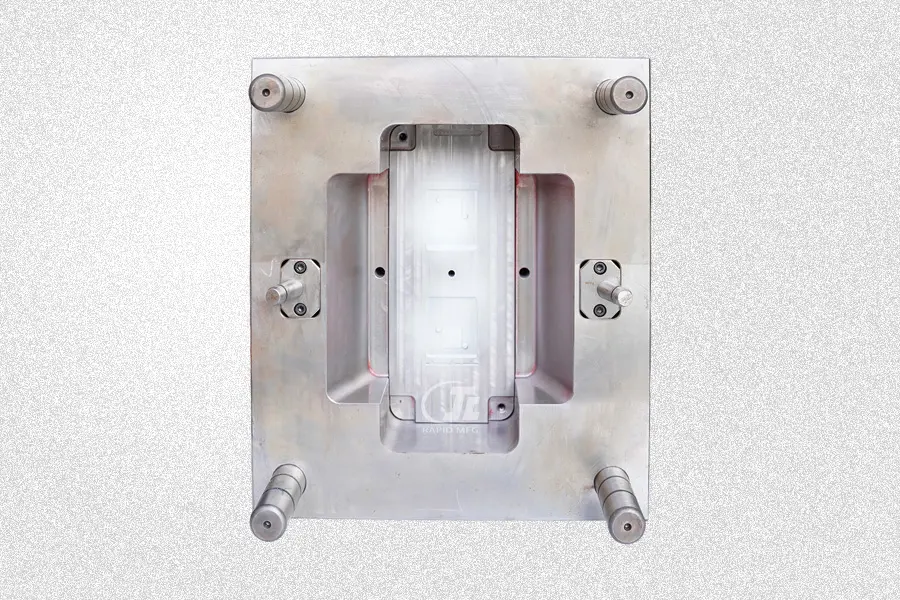
Prototype injection molds and rapid tooling are used for design validation, functional testing, engineering samples, and low-volume production. They help identify molding, assembly, and material issues before investing in full production tooling.
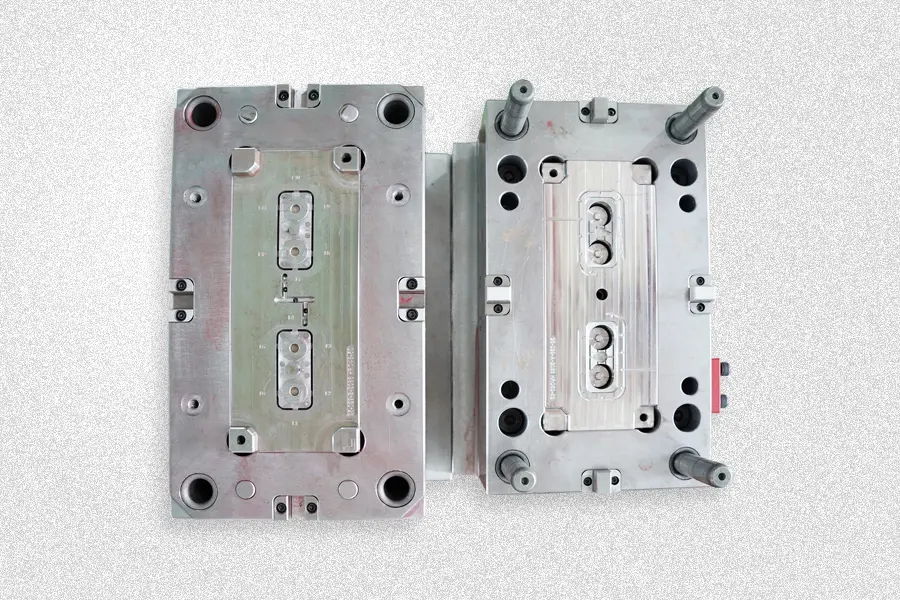
Production Injection Molds
Production injection molds are built for stable, repeatable, and long-term manufacturing. We focus on mold life, cycle efficiency, dimensional consistency, cooling performance, and easy mold maintenance.
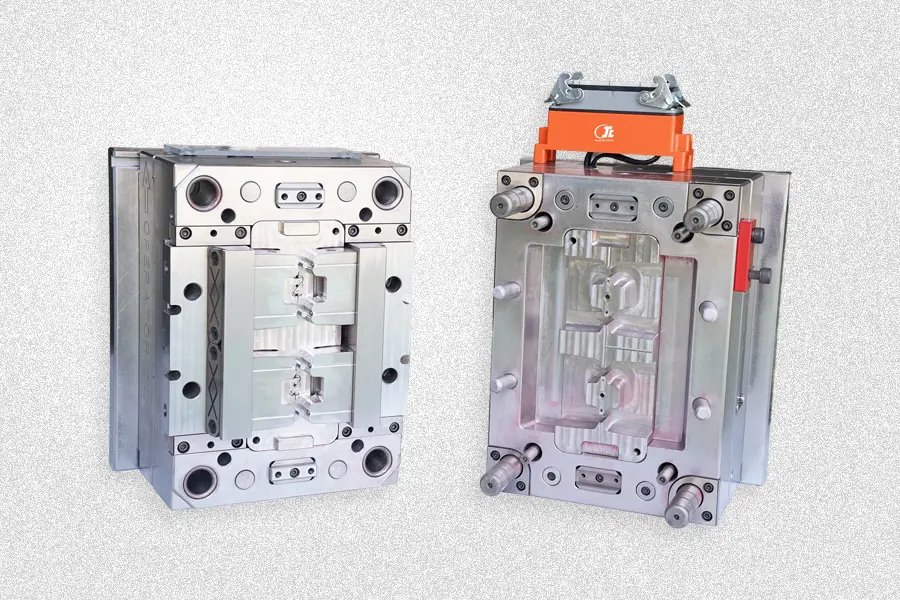
Complex Mold
For parts with higher production or structural requirements, we manufacture complex injection molds based on part design, material, production volume, and cost targets.
Our Complex Mold Manufacturing Capabilities
Multi-cavity molds produce multiple identical parts in one cycle, making them suitable for high-volume production and lower unit costs.
Overmolding molds apply one material over another part or substrate, often used for soft grips, sealing areas, protective layers, and anti-slip surfaces.
Family molds produce several related parts in one mold, often used for assemblies or product sets where part size and material conditions are suitable.
Hot runner molds reduce runner waste and improve production efficiency, especially for high-volume parts or expensive plastic materials.
Two-shot molds combine two materials or colors in one part, commonly used for soft-touch areas, seals, buttons, grips, and functional surfaces.
Unscrewing molds are designed for plastic parts with internal or external threads that cannot be released by standard ejection.
Insert molds are used to mold plastic around metal or other components, such as nuts, terminals, pins, bushings, or threaded inserts.
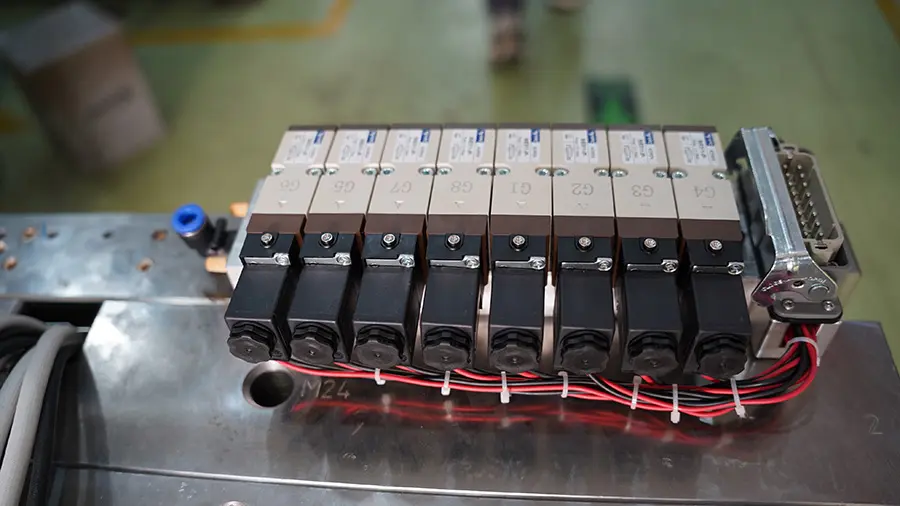
Hydraulic core-pulling molds are used for deep undercuts, long side holes, complex side features, or structures that require controlled side-core movement.
Request Your Free Injection Mold Quote Today
Our Most quotes are delivered within 24 hrs, or faster, depending on project details and your injection molding needs. Your customer support partner will contact you directly to ensure you’ve received and understand all aspects of your quotation and to answer any questions you may have about injection molding, the manufacturing process, the materials we use, your quote, and beyond!
Collaboration Process
We provide mold manufacturing services covering the entire product development cycle.
DFM Report

Mold Design
Covers mold flow analysis, design simulation, and structural optimization to ensure performance and manufacturability.

Mold Manufacturing
Involves CNC machining, EDM, mold assembly, polishing, and other precision manufacturing processes.

Mold Testing
Conducting mold trials using in-house injection molding machines to verify function and part quality.

Sample Confirmation
Providing samples to customers for evaluation and feedback before final approval.

Mold Delivery
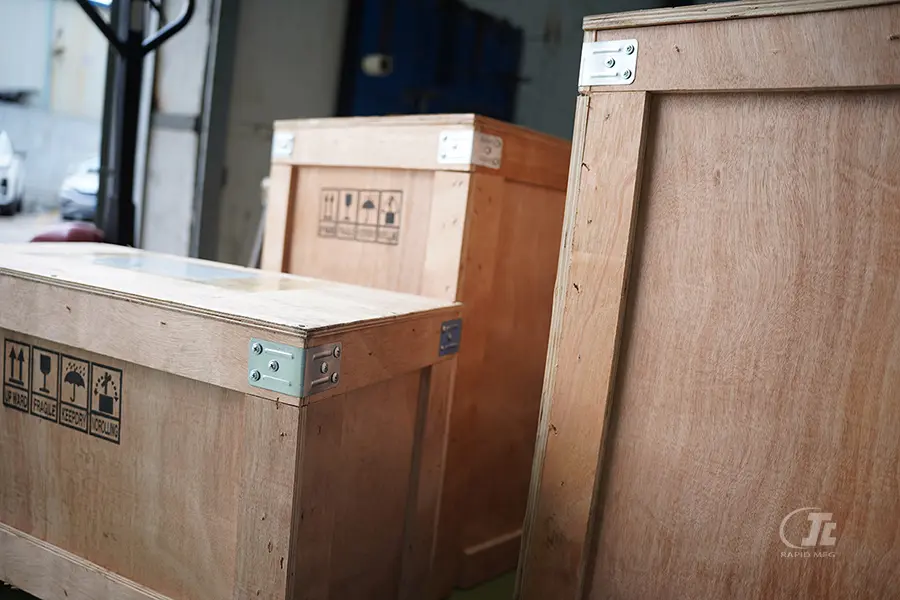
Molds are shipped after customer approval, or retained in-house for volume injection molding production.
rjc Mold Making Process
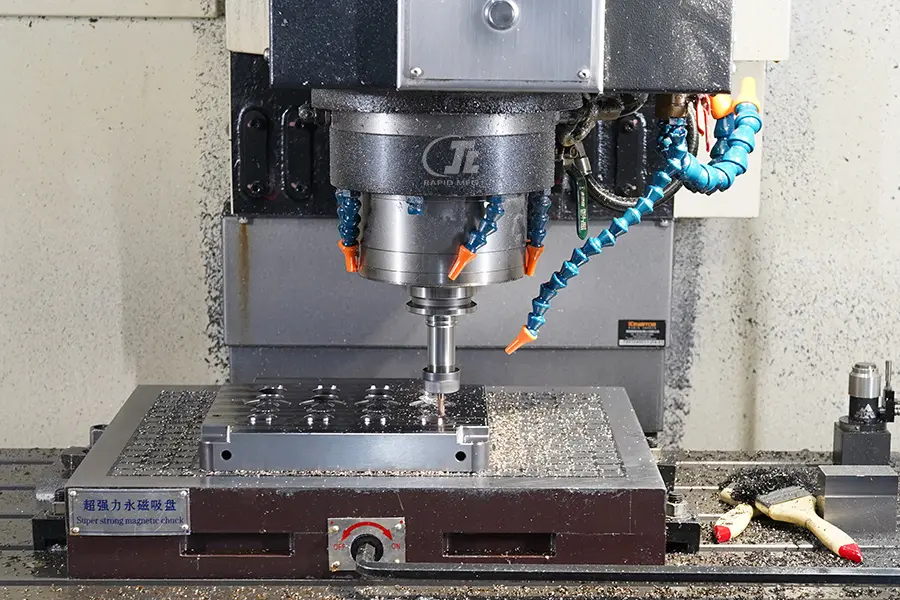
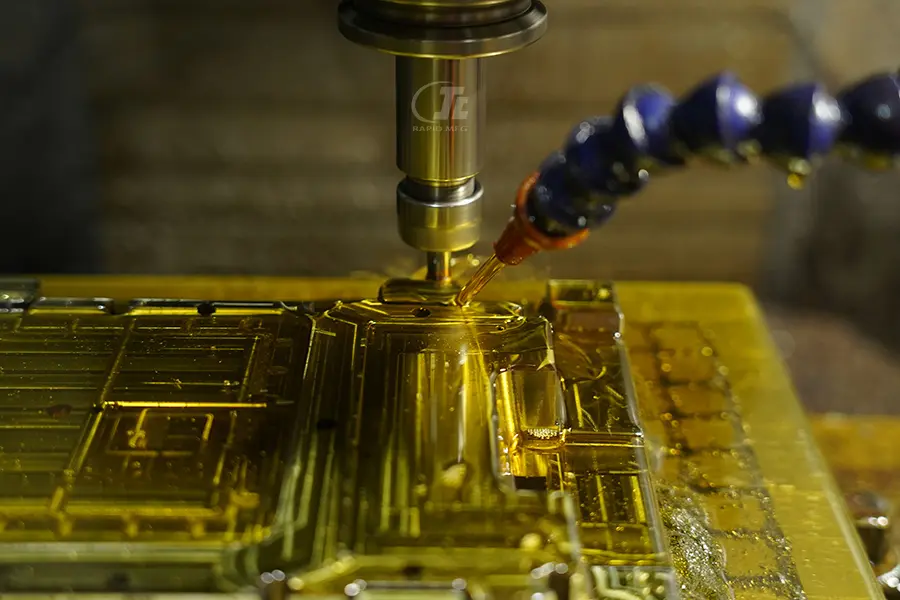
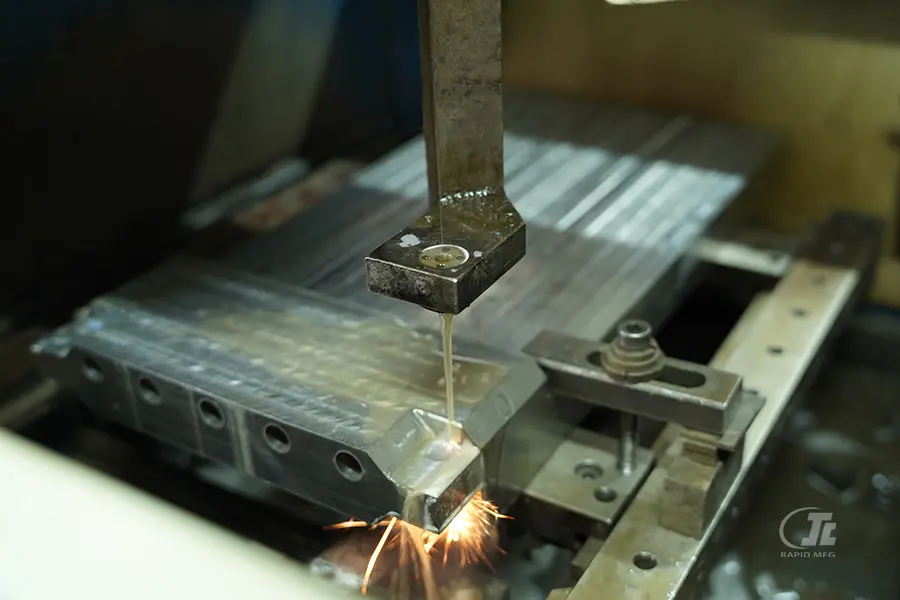
Our mold-making process covers every machining step required to build a production-ready injection mold.
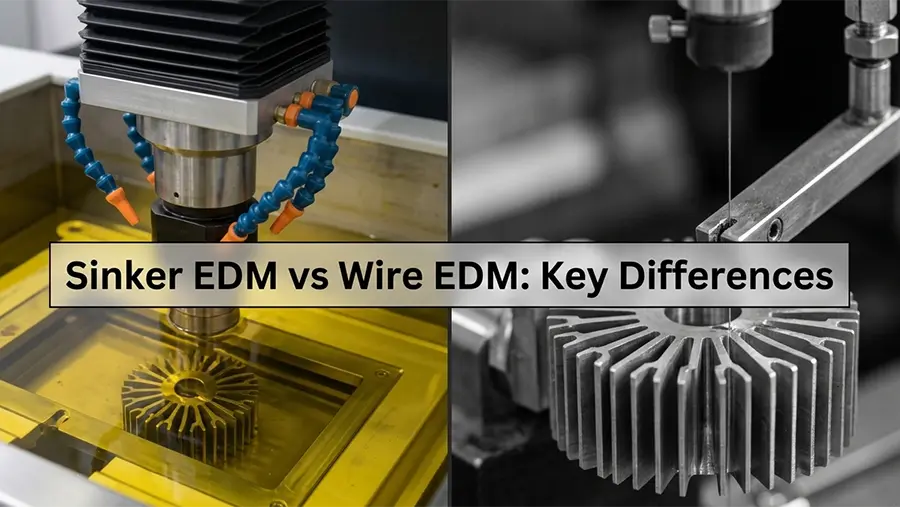
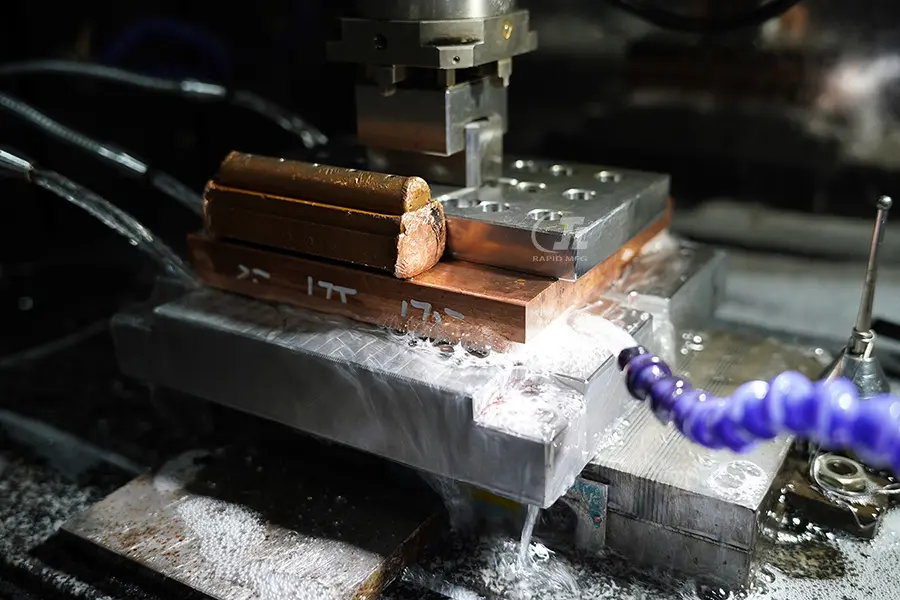
The steel blocks are first rough-cut and shaped through high-speed CNC dry machining to achieve the core and cavity geometry. For detailed areas, our team performs CNC oil machining to obtain smooth surfaces and tight tolerances. Wire-cut EDM is then used to create sharp corners, deep slots, and intricate features that cannot be achieved by standard milling.
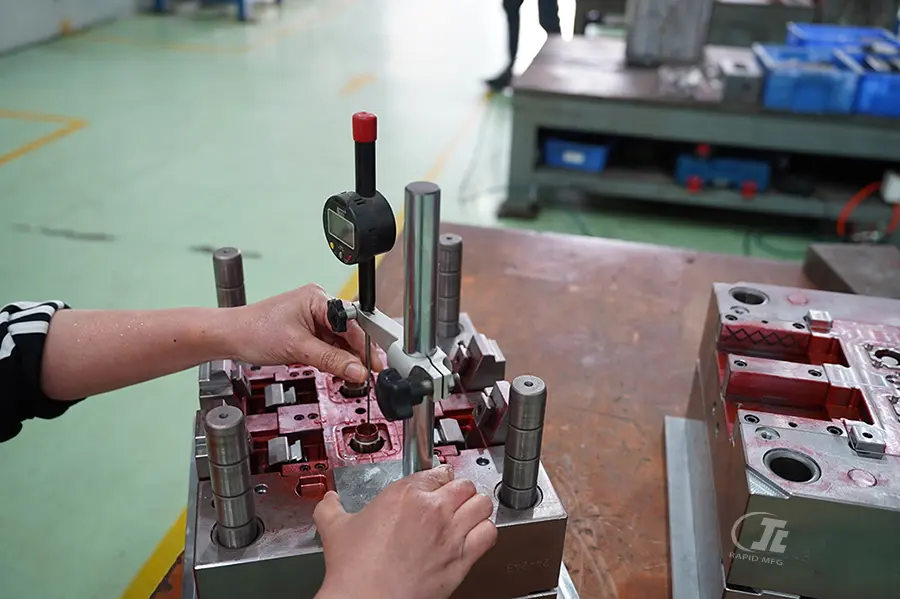
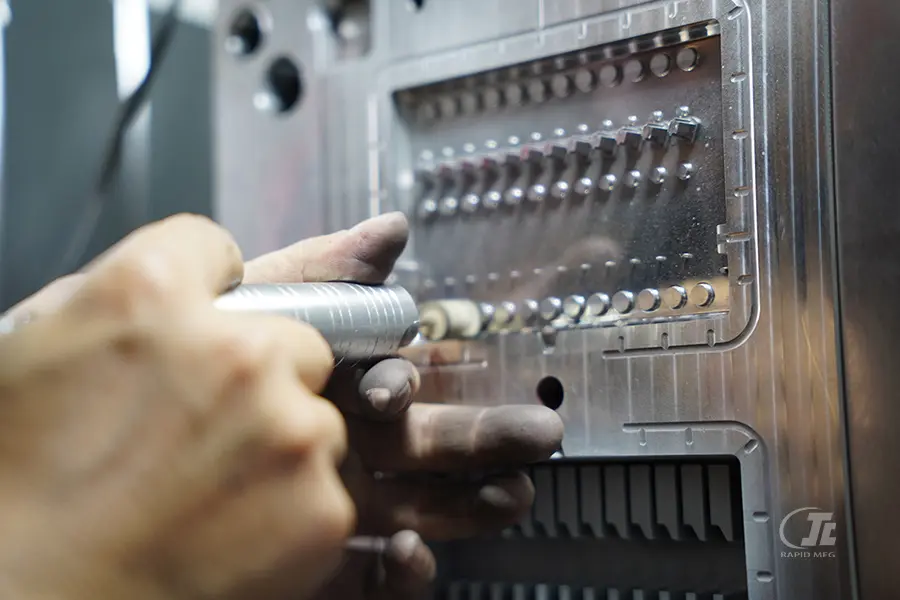
After all components are completed, skilled technicians handle mold fitting, assembly, polishing, and dimensional inspection to ensure perfect alignment and smooth mold function.
The final mold is tested and verified before being delivered or used for injection molding.
Materials Used for Injection Mold Manufacturing
The mold material has a direct impact on tooling cost, lead time, mold life, surface finish, and long-term production stability. We select mold steel based on part material, production volume, surface requirements, tolerance needs, and expected mold life.
P20 is a common mold steel for prototype molds, bridge tooling, and medium-volume production molds. It offers a good balance of cost, machinability, and durability, making it suitable for many standard plastic injection molding projects.
P20 is often used for:
Prototype injection molds
Low- to medium-volume production
General plastic parts
Parts without extreme surface or wear requirements
S136 is often used for:
Transparent plastic parts
Medical plastic components
Optical parts
Corrosion-sensitive materials
High-polish mold cavities
H13 is a hardened tool steel used for molds that require higher wear resistance, heat resistance, and longer service life. It is suitable for demanding production molds, especially when molding abrasive materials, high-temperature plastics, or parts requiring long production runs.
H13 is often used for:
High-volume production molds
Engineering plastics
Glass-filled materials
High-temperature molding applications
Molds requiring longer tool life
718 is widely used for production molds that require better strength and toughness than standard P20. It is suitable for larger molds, medium- to high-volume projects, and plastic parts with more demanding production requirements.
718 is often used for:
Medium- to high-volume production molds
Larger mold bases and cavities
Automotive plastic parts
Industrial plastic components
Molds requiring better durability than P20
NAK80 is commonly used for molds that require better polishability and dimensional stability. It is a good option for appearance parts, transparent parts, and components with higher surface quality requirements.
NAK80 is often used for:
Appearance-critical parts
Transparent plastic parts
High-gloss surfaces
Precision mold components
Parts requiring good surface finish
Aluminum tooling can be used for rapid tooling, prototype molds, and low-volume production when faster machining and shorter lead times are more important than long mold life. It is not suitable for every project, especially high-volume production or abrasive plastic materials.
Aluminum tooling is often used for:
Rapid tooling
Prototype molds
Short-run production
Early design validation
Projects requiring faster turnaround
For more information on how to choose mold materials, please read: Injection Mold Material Selection: Three Key Factors That Determine Success
Industries Served
We manufacture custom injection molds for a wide range of industries, from early-stage product development to long-term production programs. Different industries have different requirements for mold life, material selection, dimensional accuracy, surface finish, and production stability.

Automotive
We support injection mold manufacturing for interior parts, exterior components, clips, housings, connectors, brackets, and other functional plastic parts.

Consumer Electronics
We manufacture molds for plastic housings, buttons, covers, brackets, connectors, and small precision components.

Medical
We support mold manufacturing for device housings, diagnostic components, disposable parts, fittings, and precision plastic components.
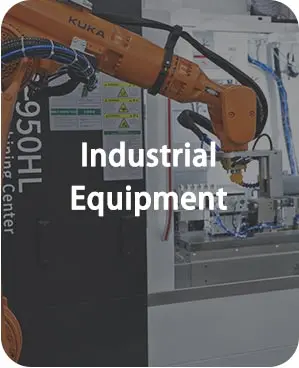
Industrial Equipment
We manufacture molds for enclosures, covers, gears, fittings, handles, brackets, and functional components.
Why Choose rjc as Your Injection Mold Manufacturer
One-stop solution expert ,we are ready to help find your ideal solution

In-house Factory
The factory is located in Shenzhen, China, with 200 employees and a monthly mold production capacity of 50 units. With 20 years of mold making experience, we have a complete mold making system that is highly controllable and ensures stable quality. We offer one-stop mold manufacturing and production services.

Engineers Provide Rapid Response
We participate in structural analysis and mold feasibility assessment (DFM) during the early stages of the project to avoid the risk of repeated modifications after mold opening. All projects are directly managed by experienced mold engineers, ensuring smooth technical communication.

Fast Delivery
We offer services such as delivering samples in as fast as 7 days, and steel mold mass production within 25–40 days, to meet the needs of different project timelines.

Strict Confidentiality
All customer drawings and project information are strictly protected. After signing an NDA, we carry out evaluations and process the entire workflow with confidentiality.
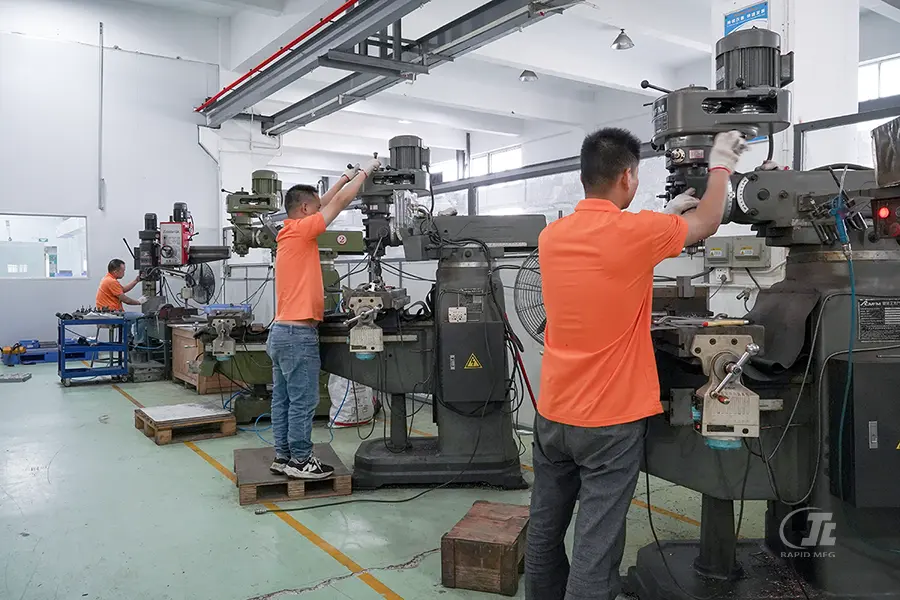
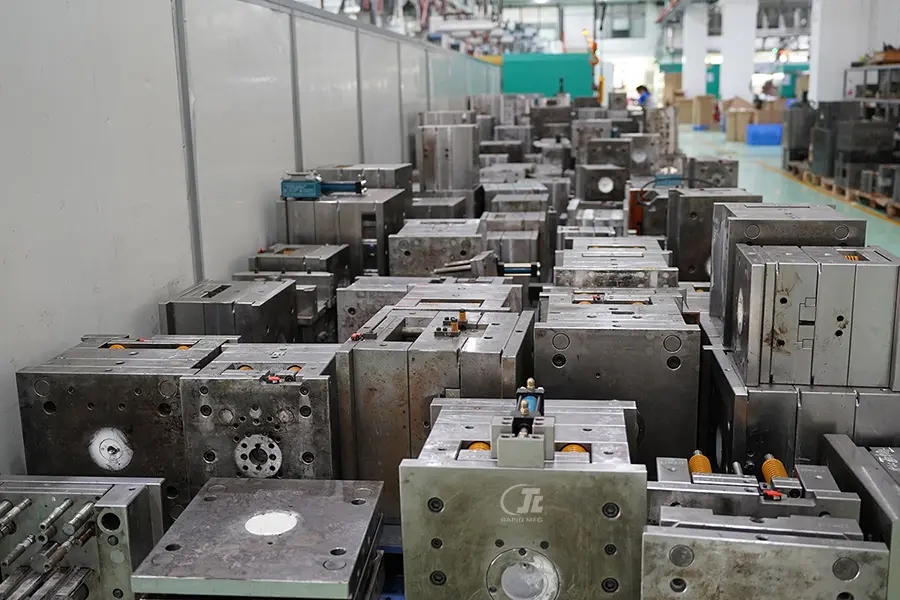
Mold making workshop
From rough machining of molds to assembly, all processes are completed in-house.
Lead Time
Standardized Mold Grades to Match Your Production Requirements.
| Mold Class | Purpose | Shot Life | Tolerance | Lead Time |
| Class 105 | Prototype Testing | Under 500 cycles | ± 0.02mm | 10-18 days |
| Class 104 | Low-volume Production | Under 100000 cycles | ± 0.02mm | 2-3 weeks |
| Class 103 | Low-volume Production | Under 500000 cycles | ± 0.02mm | 2-3 weeks |
| Class 102 | Medium-volume Production | Under 1000000 cycles | ± 0.02mm | 3-4 weeks |
| Class 101 | High-volume Production | Over 1000000 cycles | ± 0.02mm | 4-5 weeks |
FAQS
To provide an accurate quote, we typically require a 3D CAD file (STEP/IGES), 2D drawings with tolerances, material specifications, estimated part volume, and the preferred mold type.
We support both. You can either receive the mold for use at your own facility or leave it with us for long-term molding production.
All of our molds are manufactured in-house, which allows us to fully control the production schedule. We provide weekly progress reports to keep you informed.
For most injection molds, the standard lead time is 3–6 weeks depending on complexity. Expedited services are available for rapid prototyping or urgent production needs.
Yes. We can evaluate and quote based on 2D drawings alone. If 3D models are not available, RJCMold can reconstruct them from 2D drawings for mold flow analysis and mold design, helping you save both time and modeling costs.
Yes. You can choose to have the mold delivered to you or stored at our facility for ongoing production. We offer full injection molding services using the molds we manufacture.
We sign a Non-Disclosure Agreement (NDA) with every customer. Internally, we implement strict project isolation, access control for design files, and a zero-leakage policy to protect your intellectual property.
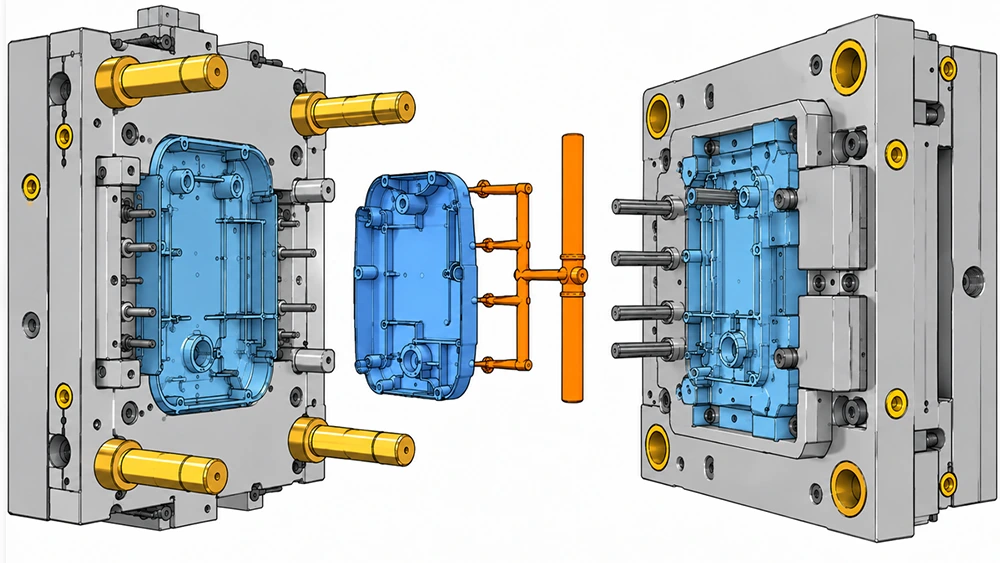
Plastic injection molds are designed as hollow metal blocks with cavities used to shape molten plastic through the injection process. There are many holes inside the mold, and the temperature can be controlled by means of oil, water or heater.
Gates in the mold allow molten plastic to flow in, which then fills the cavity through runners and gates. After cooling, the mold is opened, and the ejector pin of the injection molding machine is pushed by the top plate to further eject the molded part.
- Guide Pins– Installed to one half of the plastic injection mold and align the two halves by entering the holes in the other half. the most function is to locate the core and cavity insert in right position, avoid steps on parting line of molding parts or mismatch between two halves of molds.
- Runner– Connect the sprue bush to molding cavities, it is a passageway of flow material, the section shape is usually round or trapezoid.
- Gate–The narrowest position of the runner, where the flow material enters the molding cavity. There are many different types, some will be broken from molding part when ejecting out. such as submarine gate, tunnel gate. Some need to be cut after molding. like tab gate, side gate and so on.
- Sprue (Bush) – Tapered hole in the center of the plastic injection mold into which the flow material travel from the nozzle of injection machine to runners
- Locating Ring– Locating the plastic injection mold on the fixed platen of injection machines, so that the injection nozzle lines up with the sprue bush.
- Mould Cavity(include cavity and core)– The space in the mold shaped to produce molding product.
- The ejector (Pins)– Push the runner and molding parts out of the mold
- The Shot– Total amount of material into cavities, include runner and molding parts
- Ejector plate/Ejector backplate: Just for hold the ejectors in the right position
- Clamping plate: Clamping the mold to the platen of injection machines
Related Posts
Explore insights, tips, and trends in mold design and manufacturing.