
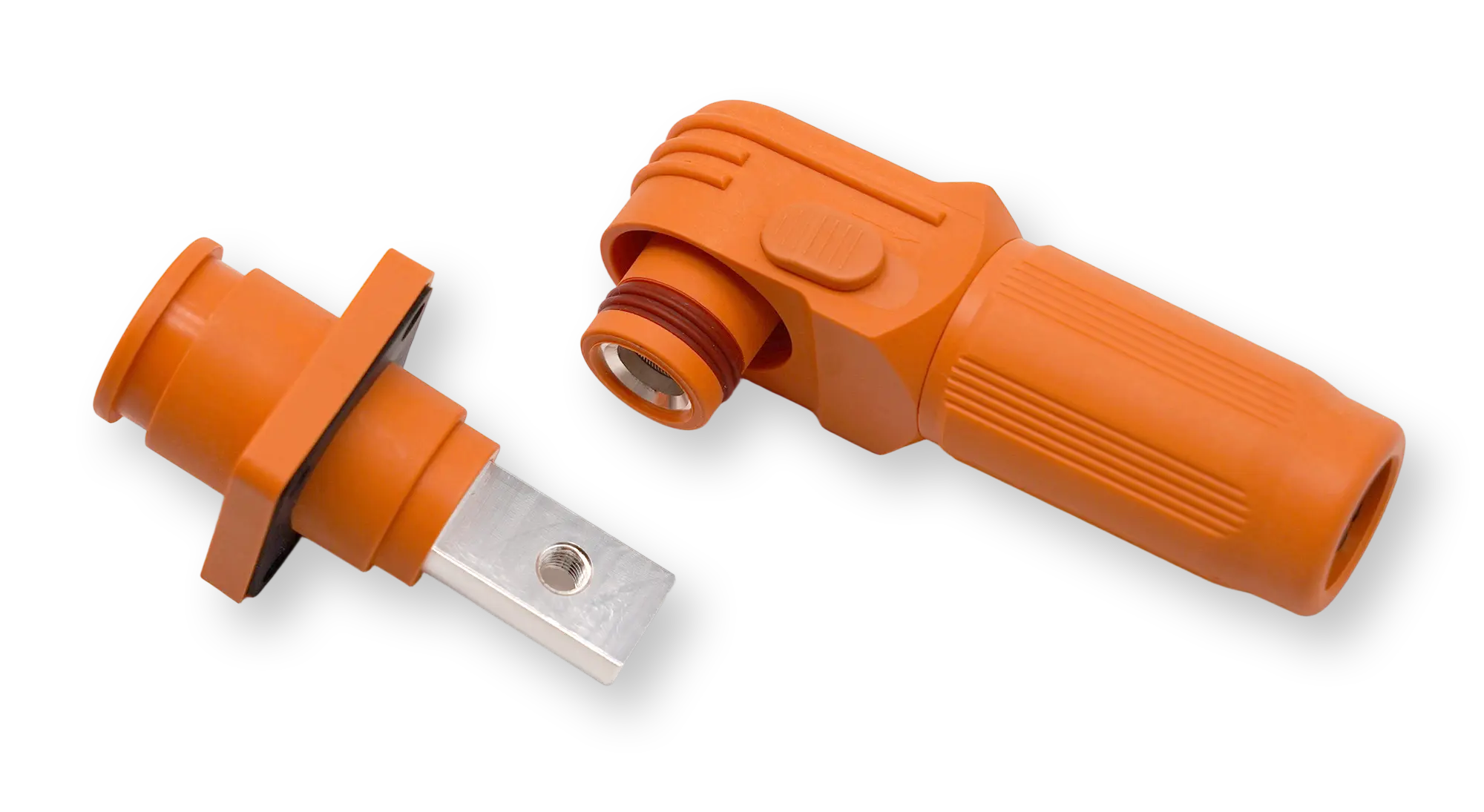
RJCmold Insert Molding Capabilities
These guidelines will help improve part manufacturability, reduce lead time, and improve the part aesthetics.You can check the following standard design considerations:
| Standards | Metric Units | Imperial Units |
|---|---|---|
| Maximum Part Size | 800×1000×400mm | 31.50×39.37×15.75in. |
| Minimum Part Size | 2×2×2mm | 0.08×0.08×0.08in. |
| Substrate Wall Thickness | From 0.5 to 3mm | From 0.20 to 0.12 in. |
| Tolerance | +/- 0.025 mm | +/- 0.00098 in. |
| Inserts | Inserts can be female and male. They both can improve a product’s appearance and utility. | |
| Mold Validation | Provide T0, T1, T2 samples before mass production | |
| Inspection and Certification Options | First Article Inspection, ISO 9001, ISO 13485 | |
| Lead Time | From mold making to sample delivery: 15-45 business days |
Insert Molding Materials
Choose from commonly used engineering plastics and metal inserts based on your part’s strength, temperature, electrical and performance requirements.
Insert Molding in Action
Custom automated Insert Molding
Manual and fully automated insert molding, supported by secondary forming and 100% hipot and continuity testing.
Watch VideoCommon Insert Molding Applications
Below are some common insert molding applications. For other custom applications, contact us to discuss your project.
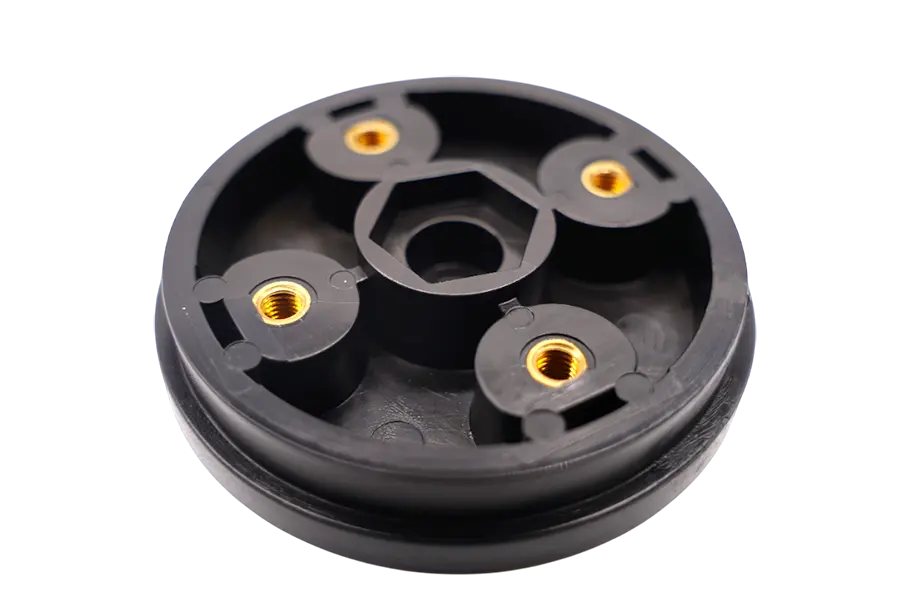 Insert Molded Part
Threaded Inserts
Durable metal threads for repeated fastening and improved pull-out strength.
Connectors & Terminals
Metal contacts and terminals integrated into electrically insulated housings.
Bushings & Bearings
Wear-resistant metal inserts molded into plastic joints and moving components.
Pins & Shafts
Precisely positioned metal elements for alignment, rotation and load transfer.
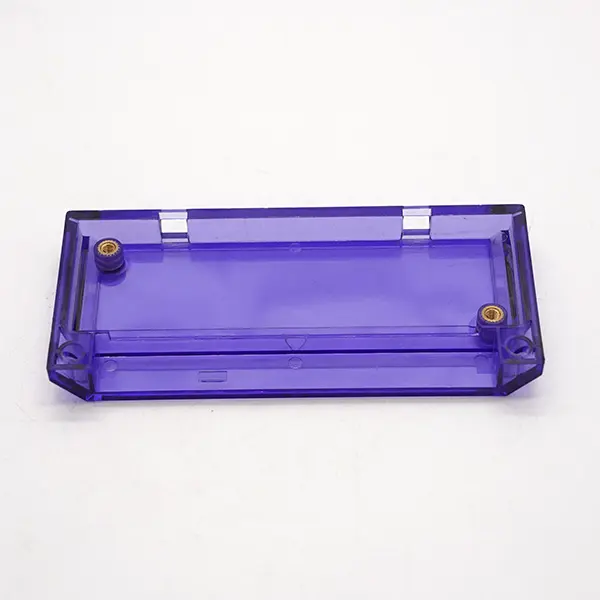
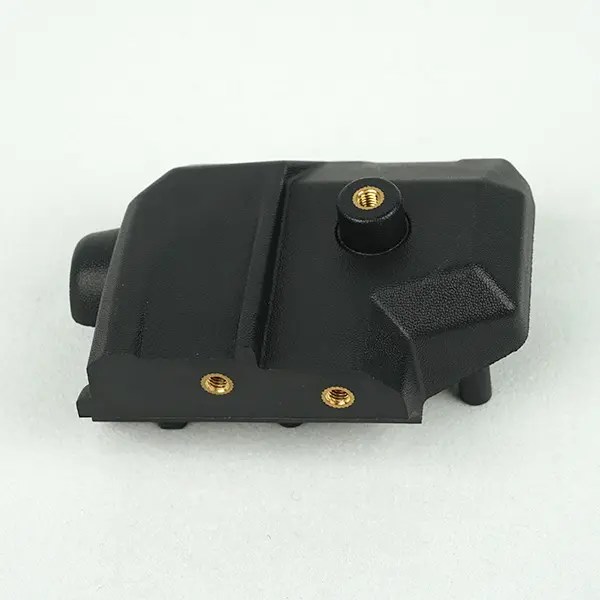
Featured Insert-Molded Part
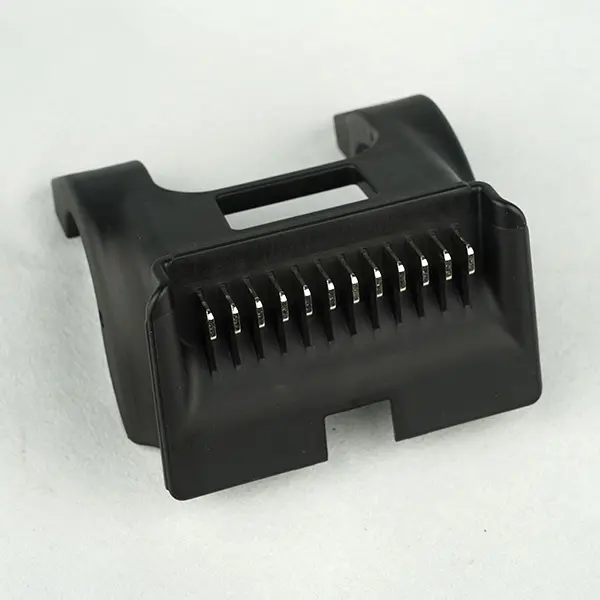
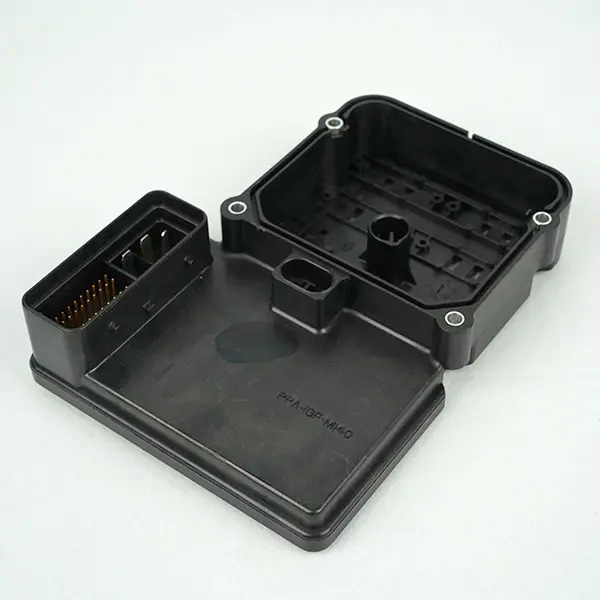
Advantages of Insert Molding
Insert molding integrates metal and plastic into a single molded component, simplifying production while improving durability and performance.
Eliminate Secondary Assembly
Inserts are integrated during molding, reducing separate assembly steps and fastening operations.
Reduce Production Costs
Lower labor, assembly and fastening costs can offset higher tooling and setup costs in volume production.
Reduce Size and Weight
Strategically placed metal inserts create lighter, more compact parts than equivalent all-metal designs.
Improve Durability and Reliability
Metal inserts provide durable threads and reinforced connections while reducing wear during repeated use.
Reinforce High-Stress Areas
Embedded inserts strengthen critical load-bearing points without requiring the entire component to be made from metal.
Insert Molding vs. Overmolding
Both processes combine multiple materials, but they differ in what is placed into the mold and how the finished part is constructed.
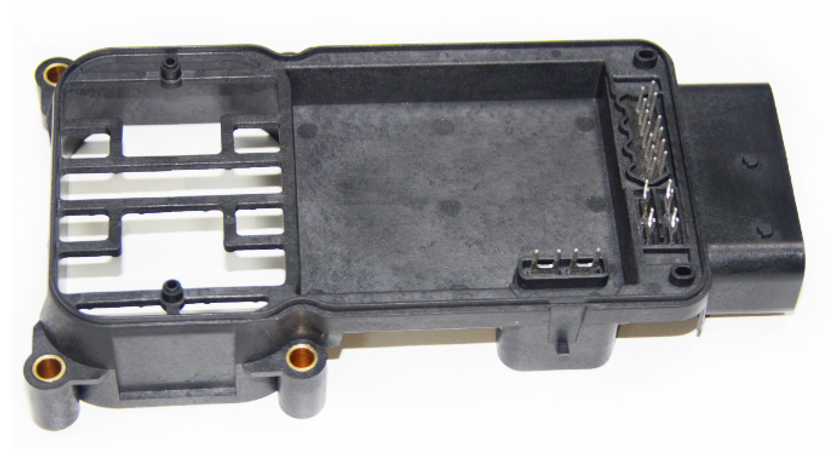
Insert Molding
A pre-positioned metal or rigid component is placed inside the mold, and plastic is molded around it to create one integrated part.
Common uses: threaded inserts, electrical contacts, terminals and reinforced connection points.
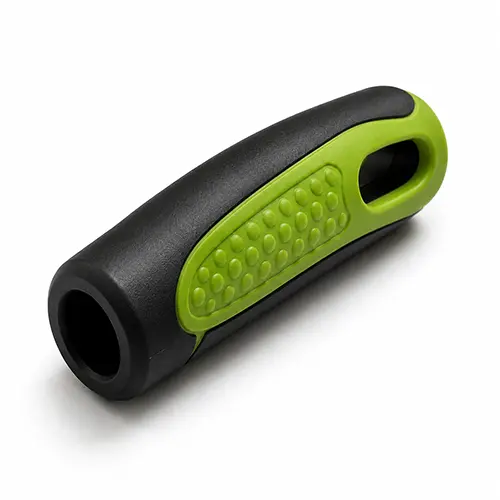
Overmolding
A second plastic or elastomer material is molded over an existing substrate to add a functional or tactile outer layer.
Common uses: soft-touch grips, sealing, cushioning, insulation and impact protection.
FAQS
Find answers to common questions about the insert molding process, automation, production volumes, costs, lead times, and its differences from traditional injection molding.
Insert molding is a manufacturing process in which metal or other preformed inserts are placed into a mold and then surrounded by molten plastic. Common inserts include threaded bushings, terminals, pins, and electronic components. This process combines different materials into a single part, reducing assembly steps while improving strength and functionality.
Traditional injection molding typically injects molten plastic into an empty mold to produce a plastic part. Insert molding places a metal or preformed component inside the mold before the plastic is injected, permanently combining the insert and plastic into one part. It can reduce part count and assembly steps while improving connection strength and dimensional stability.
Yes. For high-volume projects, robots and automated feeding systems can load and position inserts, remove finished parts, and support continuous production. This shortens cycle times and improves consistency. Manual insert loading is often more economical for low-volume projects or parts with complex inserts.
Yes. Low-volume projects can use simplified tooling and manual insert loading to reduce the initial investment in automation. However, insert molding still requires an injection mold, so its cost-effectiveness depends on part complexity, tooling costs, order quantity, and future production requirements.
The cost of insert molding depends on part design, mold complexity, plastic material, insert type, production volume, and the level of automation. Insert positioning tolerances, surface preparation, dimensional requirements, and testing procedures can also affect the final price. In general, higher production volumes result in a lower cost per part.
The lead time depends on part complexity, mold design, material selection, and insert availability. The initial stage typically includes design review, mold manufacturing, mold trials, and sample approval. Production can begin once the tooling and samples are approved. Simple projects using readily available inserts usually take less time than complex molds or projects requiring custom inserts.