ABS Injection Molding Services
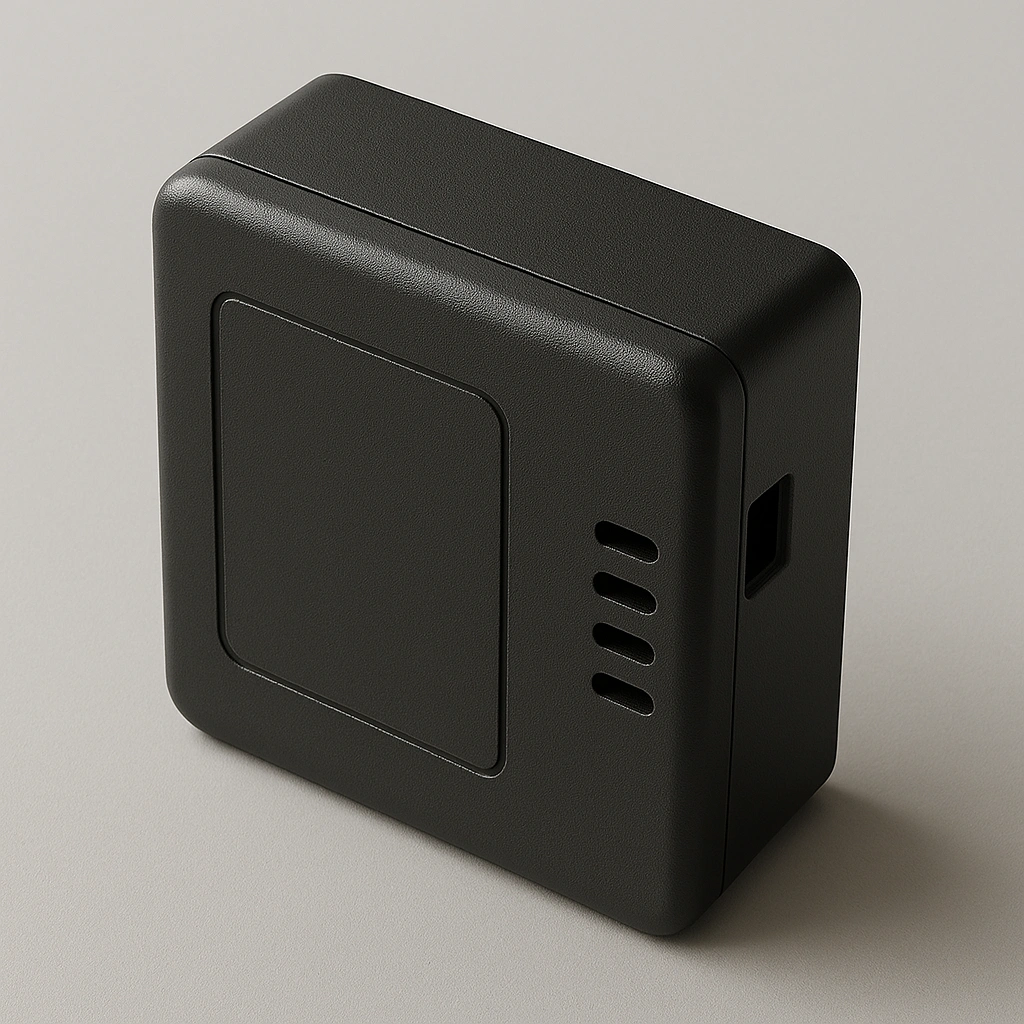
Lightweight, cost-effective, and easy to process, ABS is commonly used in electronic enclosures, toys, household tools, and light-load mechanical components.
It can be formed by injection molding or CNC machining, and its surface can be easily painted, coated, or plated.
Custom affordable ABS parts, consistent quality, powered by RJC molding services.
Production & Delivery Solutions
| Solution Type | Best For | Typical Lead Time | Notes |
|---|---|---|---|
| Rapid Prototyping | Early design validation | 3–7 days | Fast, cost-effective |
| low volume production | Low-volume production | 1–2 weeks | Flexible order size |
| Mass Production | Large-scale manufacturing | 2–5 weeks | Optimized for cost per part |
| Export Molds | Overseas in-house molding | 4–6 weeks | EU/US standard compliance |
What is ABS – Acrylonitrile Butadiene Styrene
ABS is a widely used thermoplastic engineering polymer composed of acrylonitrile, butadiene, and styrene. Each component contributes distinct properties: acrylonitrile provides rigidity and chemical resistance, butadiene delivers excellent impact resistance, and styrene contributes gloss and good processability.Proper mold design and processing control help ensure dimensional stability and high-quality surface finishes.
| Property | Typical Value / Description | Notes |
|---|---|---|
| Tensile Strength | 40–50 MPa | Medium strength, suitable for light-load parts; tested at 23°C with standard tensile specimens |
| Flexural Strength | 65–75 MPa | Can withstand normal structural loads |
| Impact Strength (Unnotched) | 200–250 J/m | Good impact resistance; resists drops and shocks |
| Elastic Modulus | 2.0–2.5 GPa | Rigidity measure affecting part deformation |
| Heat Deflection Temperature | 95–105°C | High-temperature environments require caution; can be improved with flame retardants |
| Density | 1.04 g/cm³ | Lightweight, easy for transport and assembly |
| Chemical Resistance | Moderate; resistant to mild acids and bases, but not ketones or strong acids/bases | Stable in normal chemical environments |
| Water Absorption | 0.2–0.4% | Dry before injection molding to prevent bubbles or dimensional variations |
| Shrinkage | 0.4–0.7% | Mold design must account for shrinkage; uneven wall thickness may cause warping |
| Flammability | UL94 HB | General flame retardancy; can be improved with additives |
ABS Injection Molding FAQs
No MOQ — we handle both single-piece and high-volume orders.
Yes, we work with PC, PP, PA, and other engineering plastics.