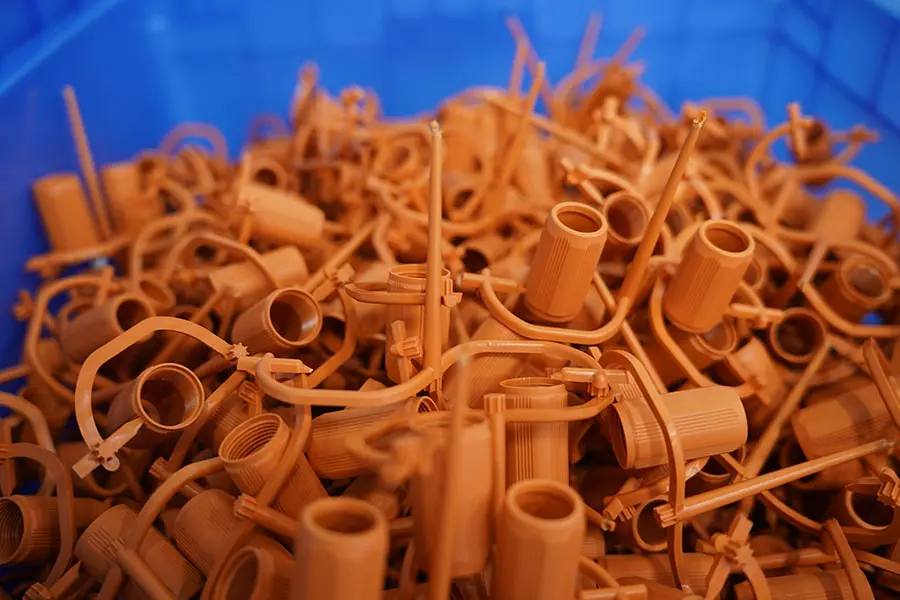
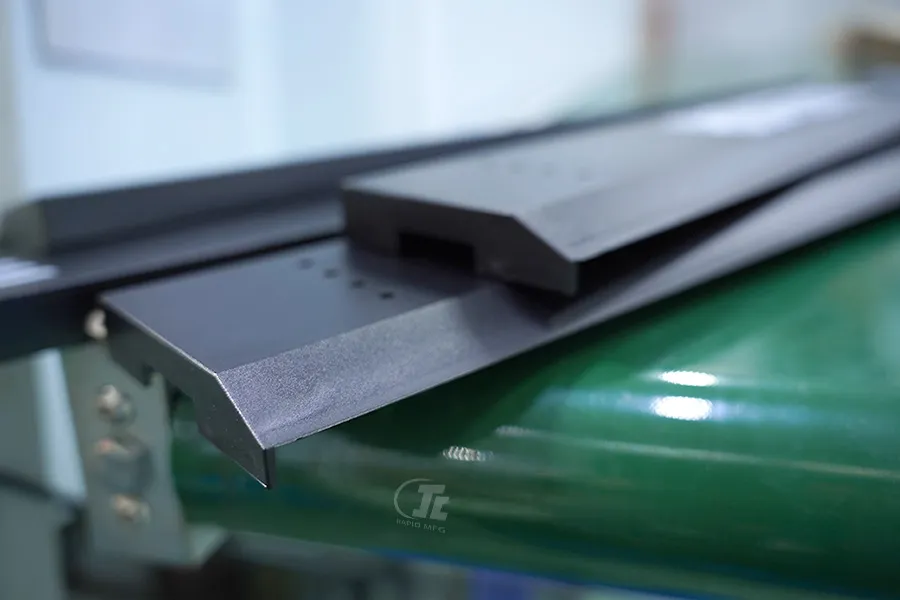
Typical advantages of small-batch injection molding
This method is ideal for startups, product testing, and bridge production before moving to mass manufacturing. Compared to traditional high-volume injection molding, low-volume production helps reduce upfront mold costs, shortens lead times, and allows faster design iterations.
Quick turnaround
Low cost
Consistent performance
Injection Molding Processes
Make the move from prototyping to on-demand manufacturing for affordable custom plastic parts within days. Better yet, your prototyping tool is free once you shift to an on-demand manufacturing tool.
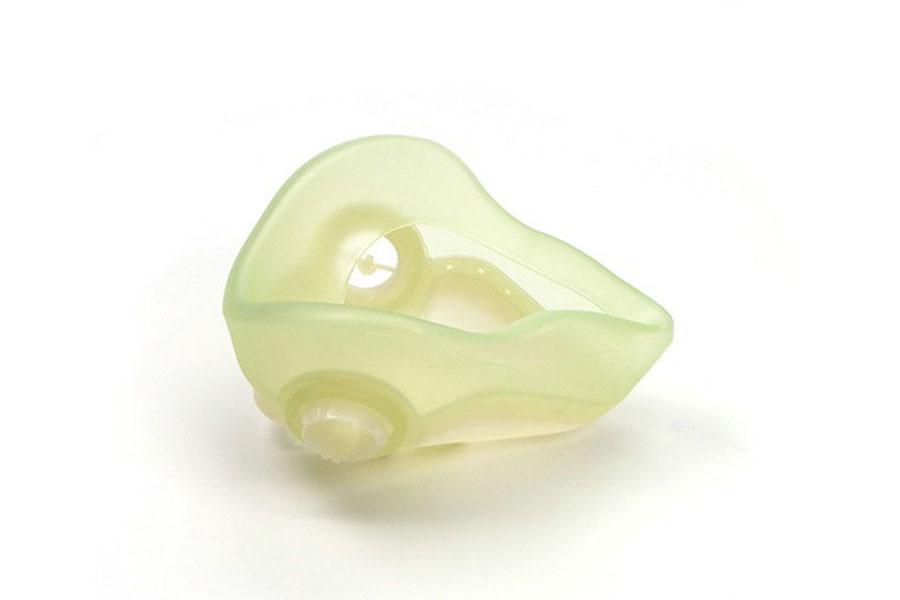
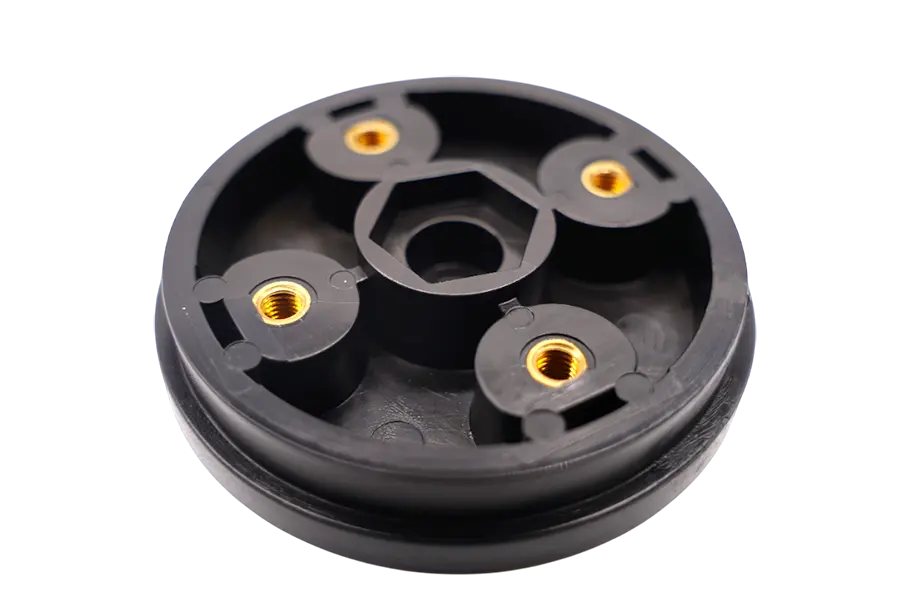
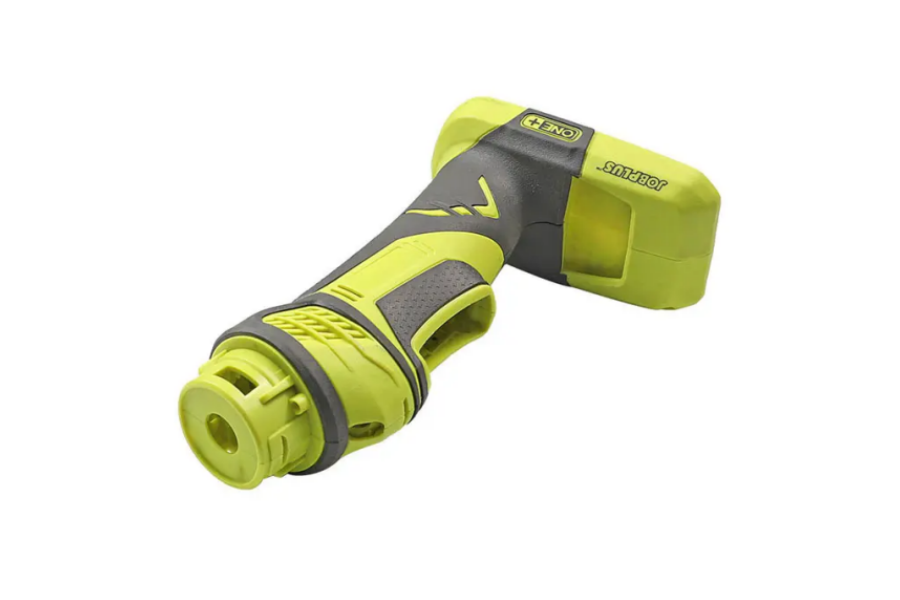
Materials for low volume Injection Molding
Unlike high-volume manufacturing, low-volume injection molding requires the use of soft steel or aluminum as mold materials.
| Category | Materials |
|---|---|
| Tooling Materials | Tool Steel: P20, NAK80 Aluminum: 6061, 5052, 7075 |
| Rigid Plastics | ABS, ASA, CA, HDPE, LCP, LDPE, PA6, PA6/6, PARA, PBT, PBT-PET, PC, PC-ABS, PC-PBT, PC-PET, PCT, PE, PEEK, PEI, PE-PP, PE-PS, PES, PET, PLA, PMMA, POM, PP |
| Elastomers & Rubbers | EPDM, PEBA, PVC, TPE, TPU, TPV, LSR |
Other low-volume manufacturing services
Our low-volume manufacturing services also include a variety of other processes.
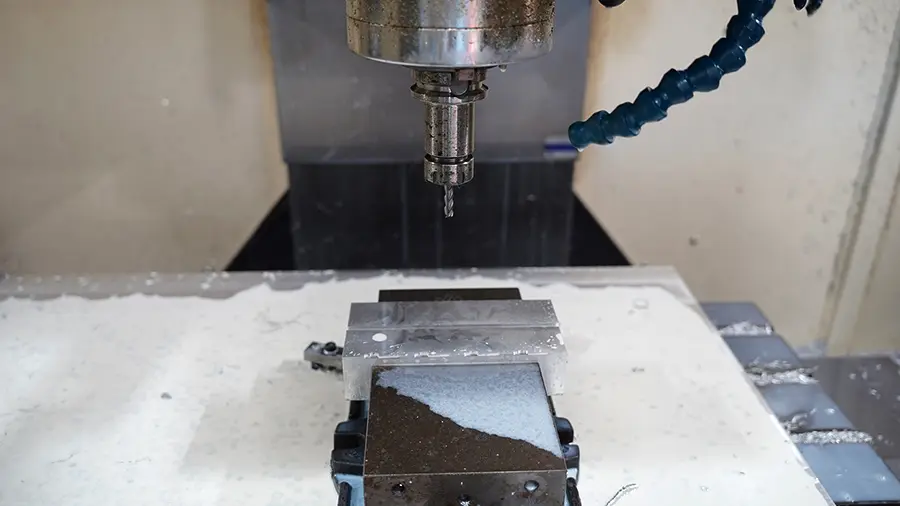
cnc machining
Precision parts fast. Ideal for prototypes & low-volume runs with rapid turnaround and material flexibility. However, the cost is on the higher side.
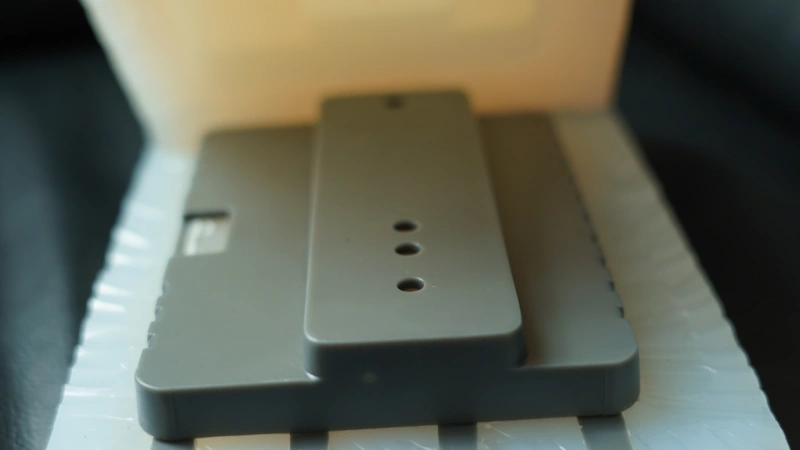
Urethane Casting
High-detail replication for 20-500 units. Silicone molds enable cost-effective small batches in diverse materials.
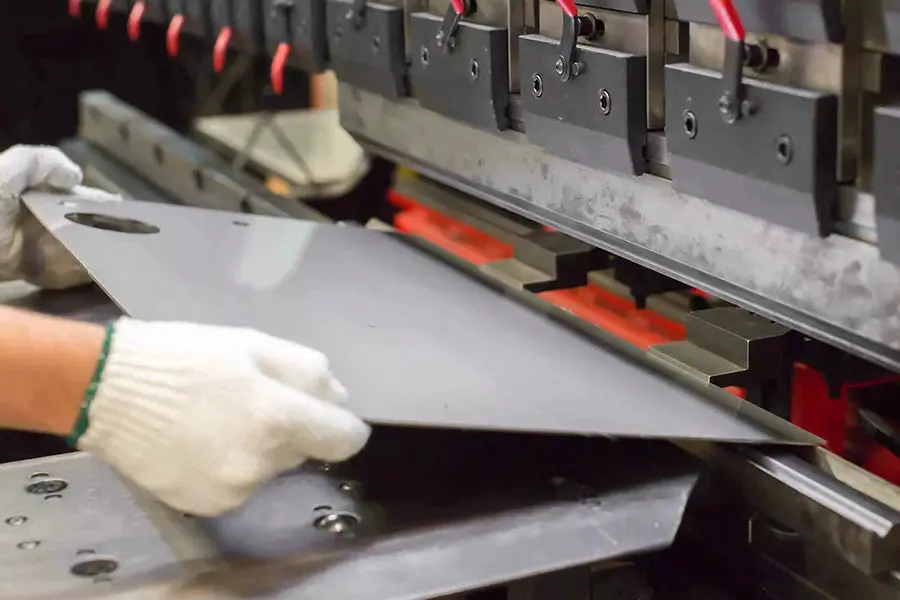
Sheet Metal Fabrication
Utilizing processes such as Metal Stamping, Laser Cutting, Metal Bending, and Plasma Cutting.
FAQs
Unlock the True Potential of Low-Volume Manufacturing
Before moving into full-scale production, validate product design, assembly processes, and market response through low-volume trial runs. Produce parts on demand to precisely control inventory and avoid resource waste. This approach is ideal not only for prototyping but also for products with annual sales in the thousands.
The Ideal Bridge Between Prototyping and Mass Production
Use cost-effective aluminum tooling as a transitional solution before investing in steel molds. Accelerate time-to-market while minimizing early-stage holding costs—achieving greater flexibility in product development without compromising quality.
A More Resilient Supply Chain Starts with Low Volumes
Navigate global logistics uncertainties by building a more agile, responsive parts supply system. With reliable low-volume suppliers, reduce the risk of stockouts during maintenance of mass production tools and adapt easily to fluctuations in demand.
Lower Costs, Expand Opportunities
Source end-use parts on demand without any minimum order quantity (MOQ) restrictions. Cut down inventory and warehousing expenses while quickly testing new markets. Low-volume production helps bring products to life faster and more economically.
Injection molding is a versatile manufacturing process that produces complex parts by injecting plastic resin into metal molds. While it’s commonly associated with high-volume production, injection molding also offers cost-effective results for limited runs through what is known as low-volume injection molding.
Low-volume injection molding typically refers to part quantities ranging from 100 to 10,000 units—ideal for new product validation, customized batches, or market testing. Depending on your project needs, we offer aluminum molds for faster turnaround or flexible steel molds that provide tighter tolerances and finer surface finishes.
RJC’s low-volume injection molding services deliver outstanding part accuracy, consistency, and reliability—making it a smart choice for flexible production and minimizing upfront tooling investment risks.
| Name | Description |
|---|---|
| Glossy | A grade finishes are made using a diamond buffing process and yield shiny and glossy surfaces on injection molded parts. |
| Semi-glossy | B grade finishes use grit sandpaper to produce parts with a slightly rougher finish than grade A parts. Custom molded plastic parts that undergo B grade finishing have a matte surface texture. |
| Matte | C grade finishes use grit sanding stones to produce a rough, uneven surface. Injection plastic parts that undergo C grade finishing have a matte surface texture. |
| Textured | CD grade finishes use grit and dry glass beads or oxide to produce a very rough textured finish. Depending on the type of material used, products can have a satin or dull finish. |