Coloring Methods for Plastic Products
- Masterbatch Coloring
High-concentration pigments are evenly dispersed into a carrier resin and then mixed with the base material.
Advantages include good dispersion, stable color, and no dust contamination. This is the most commonly used method.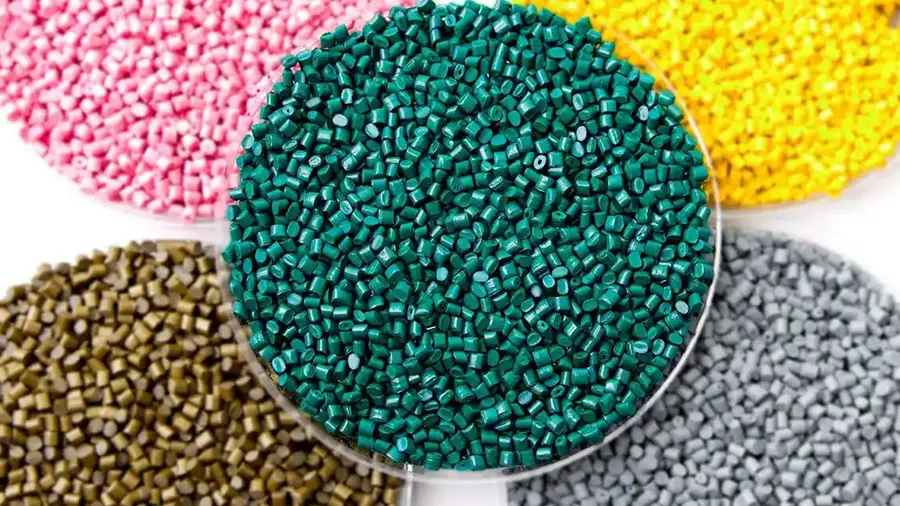
- Dry Powder Coloring (Blending)
Pigment powder is directly mixed with plastic material.
The advantage is low cost, but the disadvantages are significant dust in the workshop and relatively poor color stability. - Liquid Colorant (Color Paste)
Pigments are dispersed in a liquid plasticizer.
This method is mainly used for PVC paste resins (such as soft toys and artificial leather), where the liquid is colored through mixing. - Dyeing (Post-Processing)
Surface dyeing is applied to already molded parts (typically nylon, ABS, etc.).
It is suitable for small batches and multiple product types, but the cost is high and color fastness is relatively poor.
In addition, there are special methods such as pearlescent/fluorescent effects (by adding special pigments), laser marking (to create localized color), and structural color (using physical light diffraction without pigments).
How to Choose the Right Coloring Method
The selection of a coloring method can be determined based on the following key factors:
1. Production Volume and Cost
- Large volume, long-term production:
Masterbatch coloring is preferred. The initial cost is higher (custom masterbatch required), but the unit cost is low and color consistency is good, making it suitable for continuous production. - Small volume, multiple product types:
Dyeing (post-processing) or dry powder coloring can be used. Dyeing allows flexible color changes without multiple masterbatches, while dry powder requires very low initial investment but is suitable only when color consistency is not critical. - Very small volume or prototyping:
Liquid colorant (for small quantities of soft PVC) or pre-colored materials can be used.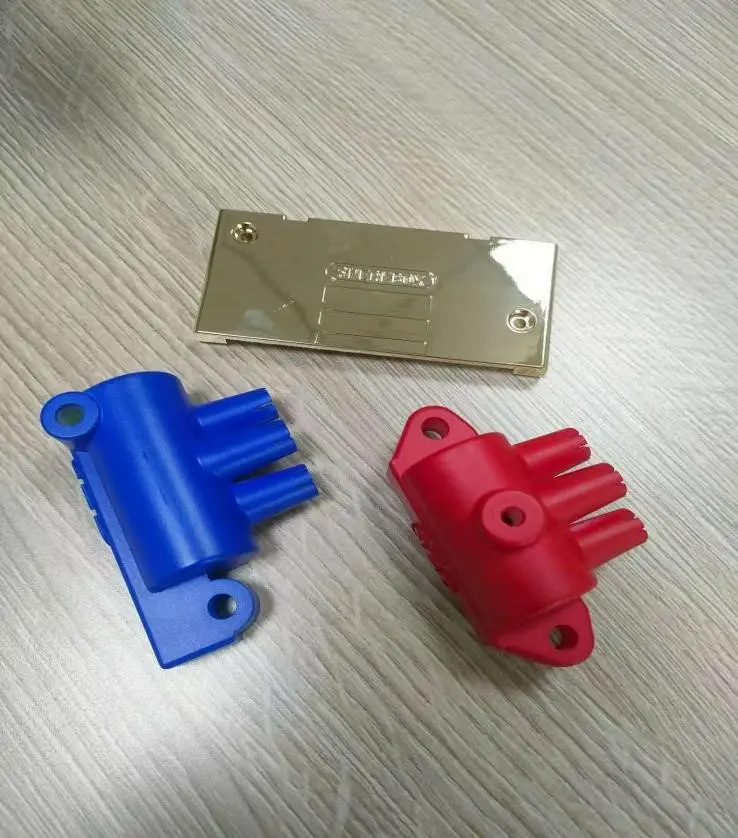
2. Resin Type (Base Material)
- Polyolefins (PP, PE):
Both masterbatch and dry powder can be used, with masterbatch preferred. - Engineering plastics (ABS, PC, PA, etc.):
Masterbatch is recommended, as dry powder is difficult to disperse and may cause uneven color or reduced mechanical properties.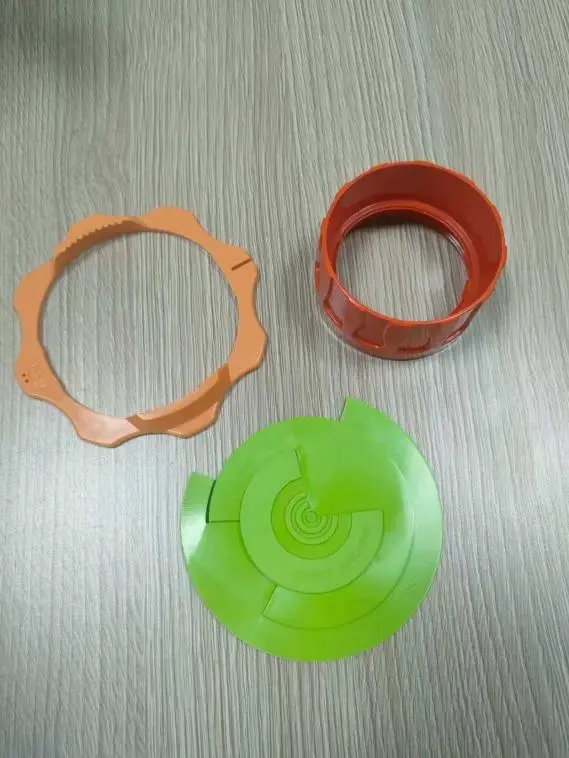
- PVC (rigid or flexible):
Liquid colorant is most commonly used (especially for flexible PVC), though masterbatch can also be applied. - Transparent or semi-transparent products:
Dye-based masterbatch or transparent pigments should be used to avoid loss of transparency.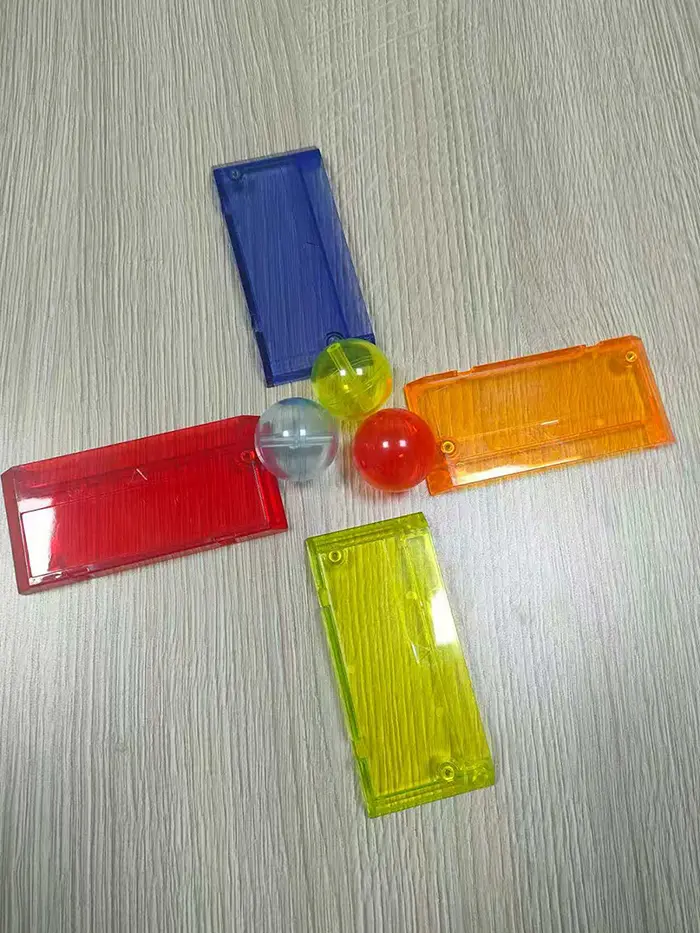
3. Color Performance Requirements
- High color accuracy (e.g., brand colors, strict tolerance):
Masterbatch must be used, combined with automatic dosing systems. - Weather resistance (outdoor use):
Use weather-resistant masterbatch (such as carbon black or titanium dioxide with UV stabilizers). Dyeing and standard dry powder are prone to fading. - Migration resistance (contact with oils/solvents):
Avoid low-molecular-weight dyes and select migration-resistant pigments in masterbatch. - Food contact / environmental compliance:
Use compliant masterbatch (e.g., FDA, RoHS). Dry powder may not meet requirements due to dust and uncoated pigments.
4. Special Effects
- Pearlescent, fluorescent, metallic effects:
Require special pigments, typically in masterbatch or dedicated powder form. - Localized color or patterns:
Consider laser marking or in-mold decoration instead of full coloring. - Structural color (rainbow or angle-dependent color):
Use pigment-free optical films or nano-structured materials (less common and high cost).
Quick Reference Table
| Application Scenario | Recommended Method | Not Recommended |
| Large volume, high precision, general plastics | Masterbatch | Dyeing (high cost) |
| Small batches, frequent color changes | Dyeing or dry powder | Masterbatch (higher initial cost) |
| Flexible PVC products | Liquid colorant | Dry powder (poor dispersion) |
| Transparent products | Transparent masterbatch | Standard dry powder |
| Outdoor/weather-resistant applications | Weather-resistant masterbatch | Dyeing |
| Very low cost, low color requirements | Dry powder | Masterbatch |