What is Overmolding?
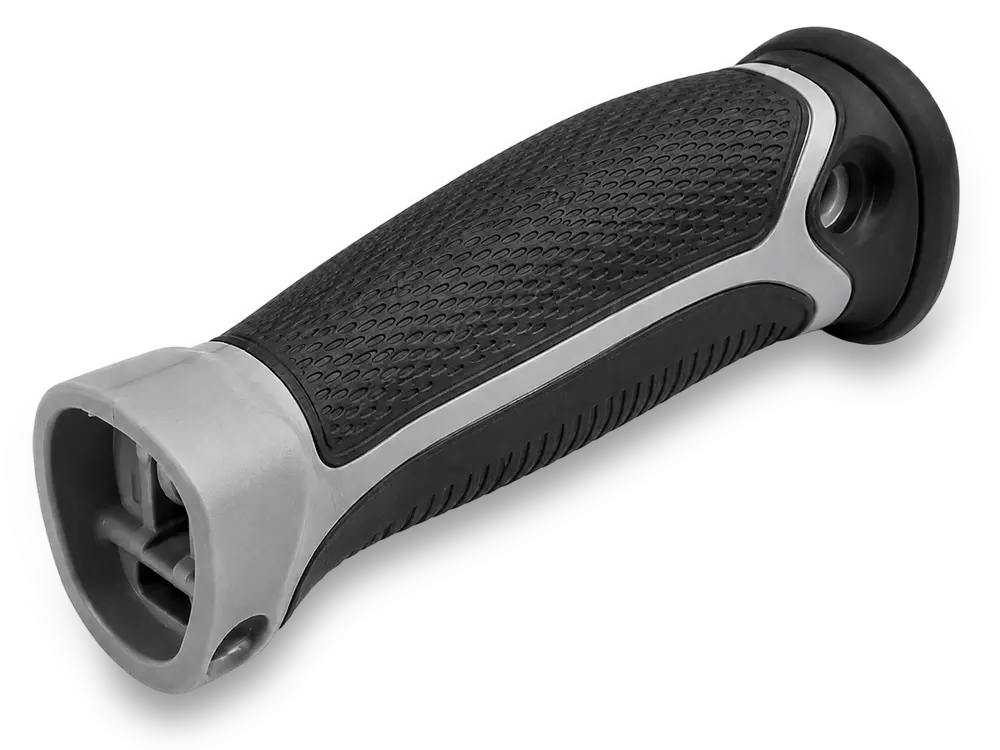
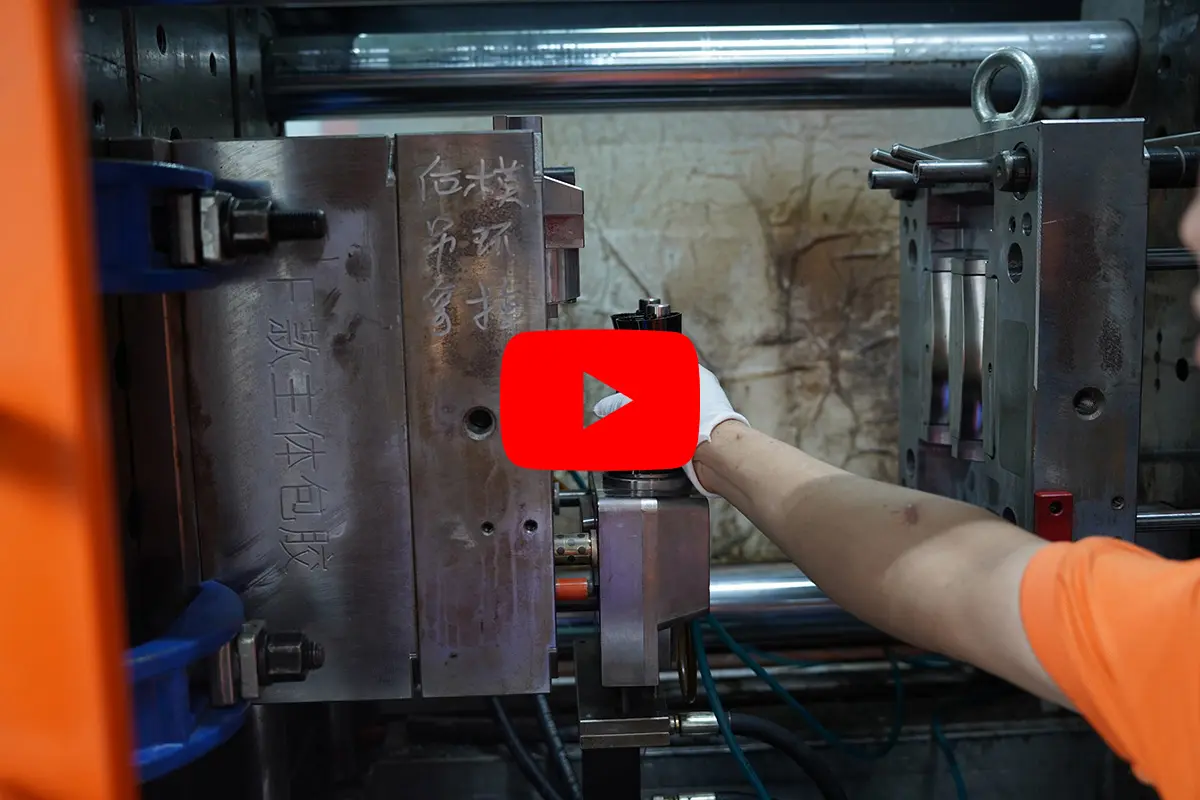
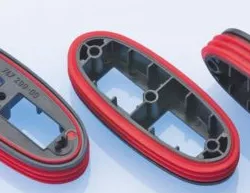
Overmolding is a two-shot plastic injection molding process that creates a single part by combining two different but complimentary thermoplastic materials.
The first shot, the substrate, is usually composed of more rigid plastic and is designed to accept the second shot, called the overmold. The overmold is typically composed of a softer, more flexible plastic-like rubber.
By mechanically or chemically bonding two plastic materials, the overmolding process can help product designers achieve additional functionality or aesthetics that would otherwise not be practical.
Our Overmolding process
Rubber Over Plastic
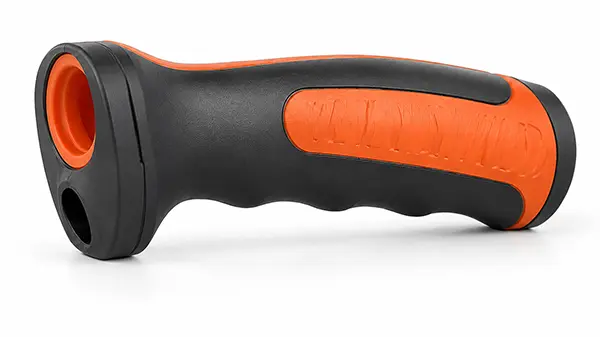
Rubber over plastic is one of the most common overmolding combinations, typically used for tool handles, grips, electronic housings, medical devices, and other parts that require improved ergonomics, slip resistance, cushioning, sealing, or impact protection.
Plastic Over Plastic
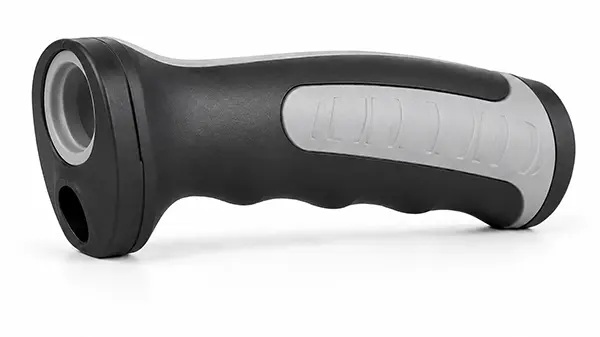
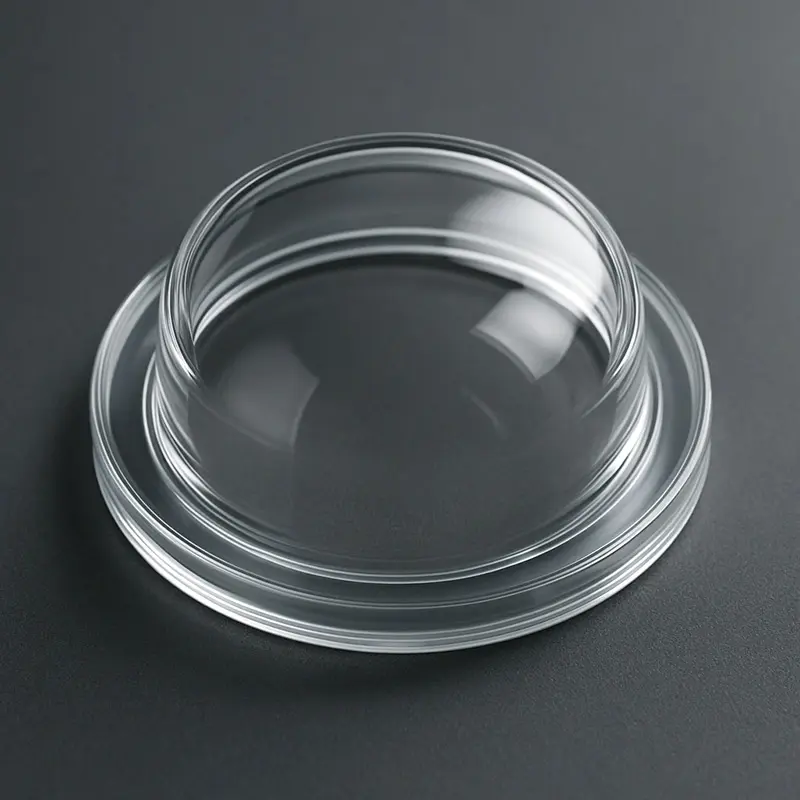
plastic over plastic is commonly used for two-color housings, transparent windows, decorative components, and parts requiring localized wear resistance, chemical resistance, or different surface properties.
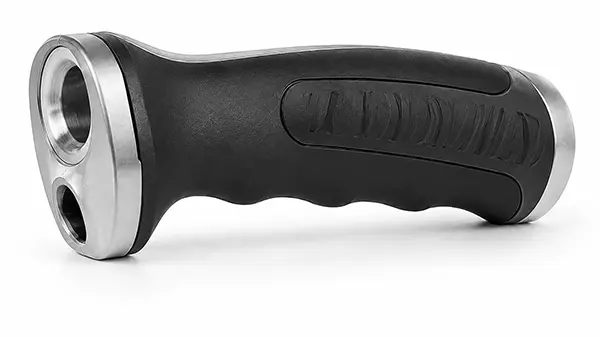
Plastic Over Metal
Plastic over metal is commonly achieved through insert molding and is typically used for threaded inserts, terminals, bushings, sensor housings, and reinforced structural components, combining metal strength with the design flexibility of plastic.
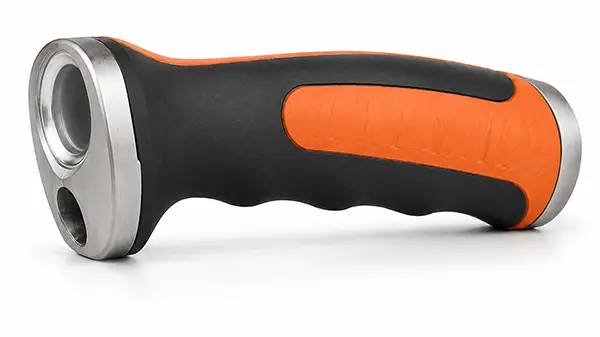
Rubber Over Metal
Rubber over metal is commonly used for tool handles, vibration-damping components, seals, rollers, and cable connectors, providing grip, cushioning, insulation, and metal-surface protection.
Our Overmolding Capabilities
RJCmold’s custom overmolding services ensure the creation of plastic parts that look and perform better. Our production line consists of an overmolding injection molding process that allows us to combine several different materials into one, ensuring you get superior-quality products.
| Standards | Metric Units | Imperial Units |
|---|---|---|
| Maximum Part Size | 200×400×100mm | 7.87×15.75×3.94in. |
| Minimum Part Size | 2×2×2mm | 0.08×0.08×0.08in. |
| Substrate Wall Thickness | From 0.5 to 3mm | From 0.20 to 0.12 in. |
| Tolerance | +/- 0.025 mm | +/- 0.00098 in. |
| Radii | 0.1mm | 0.0039in. |
| Depth | 100mm from the parting line | 3.94in. from the parting line |
| Mold Validation | Provide T0, T1, T2 samples before mass production | |
| Inspection and Certification Options | First Article Inspection, ISO 9001, ISO 13485 | |
| Lead Time | From mold making to sample delivery: 15-45 business days |
Compatible Materials for Overmolding
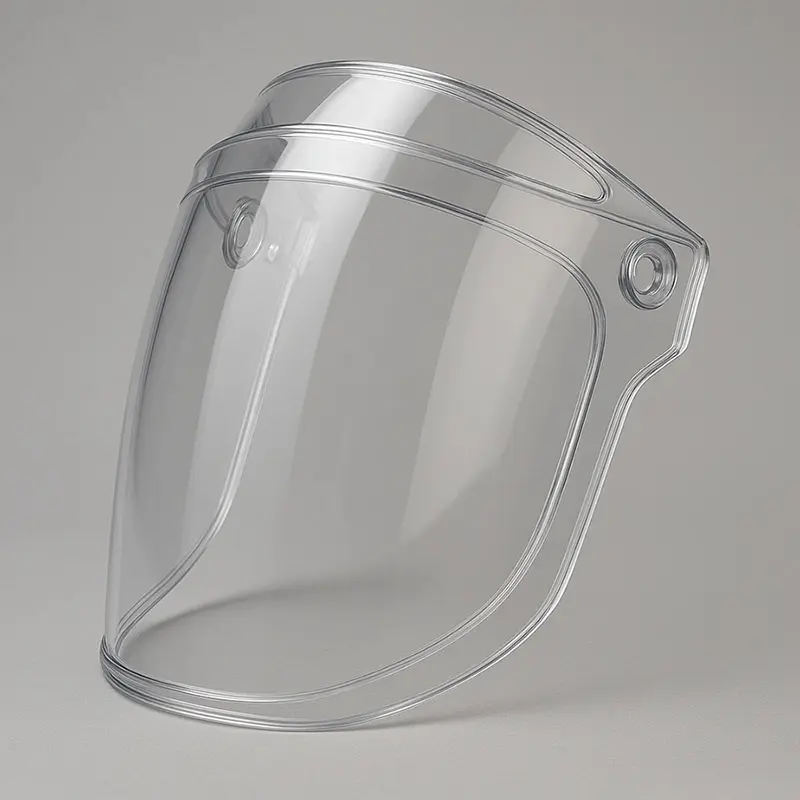
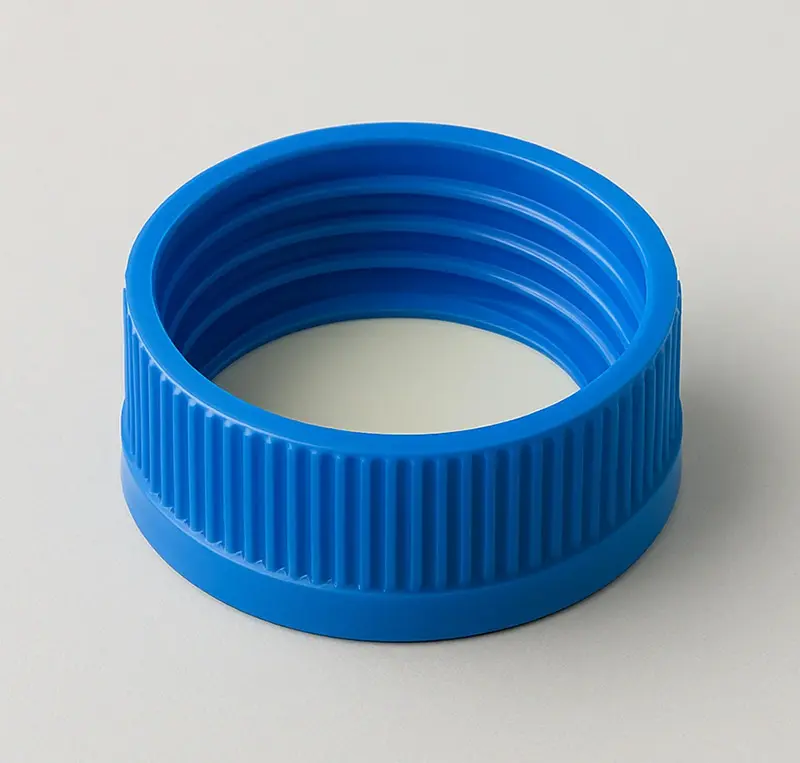
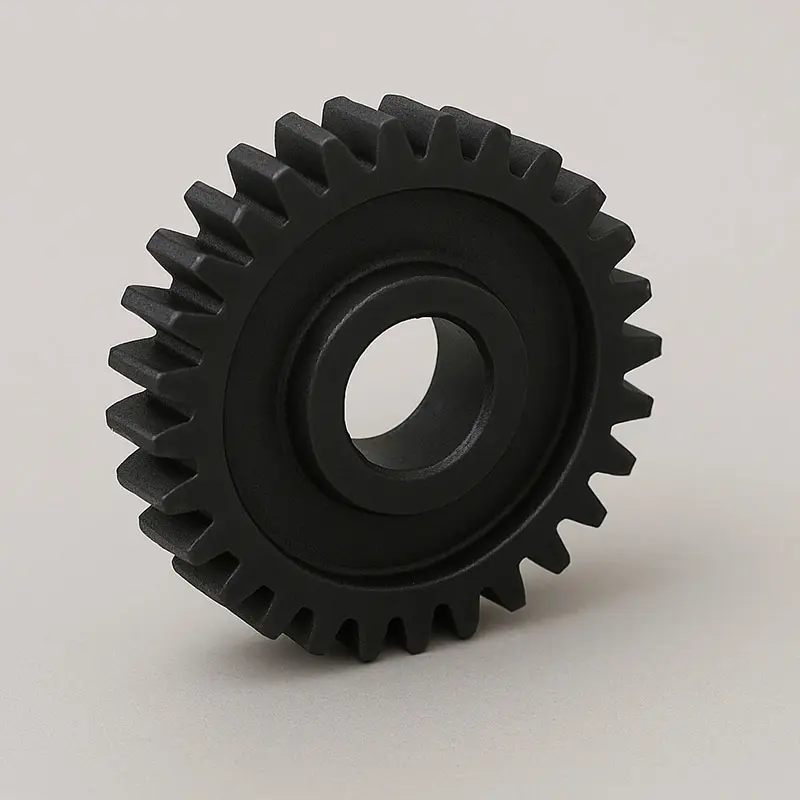
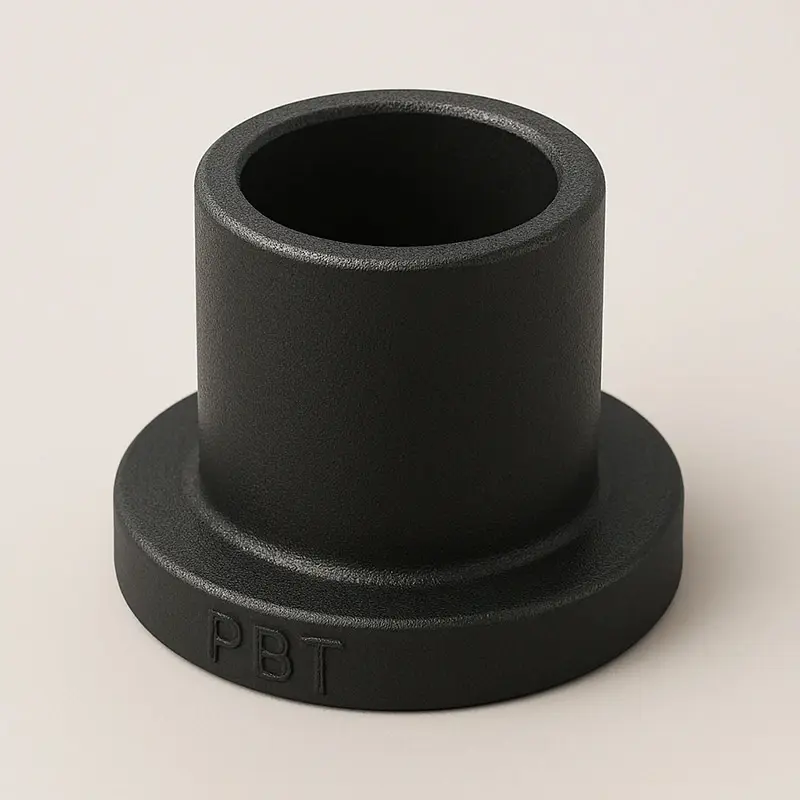
We support various material combinations for plastic, elastomer, and metal insert overmolding applications.
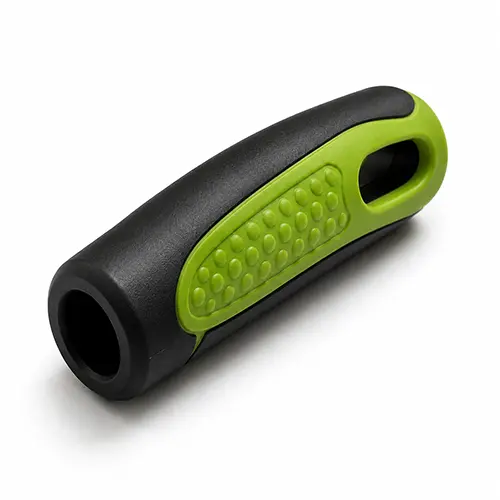
TPE
Features & Uses:
Soft, flexible, and comfortable to grip; commonly used for handles,
grips, seals, cushioning, and soft-touch surfaces.
Overmolding Notes:
Available in different hardness levels and bonding grades for common
rigid substrates such as ABS, PC, PC/ABS, and PP.



Overmolding Design Tips
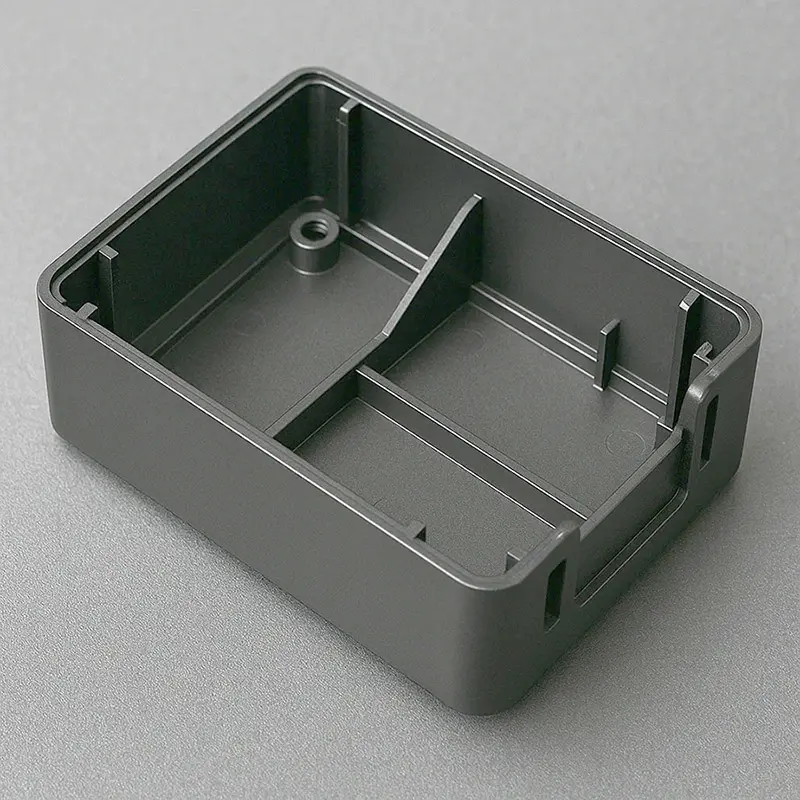
Wall thicknesses between 0.060″ to 0.120″ (1.5 mm-3 mm) generally provide the best bonding.Keeping radii between 0.020″ or 0.5mm minimum in corners reduces localized stresses.
If the part requires thick TPE sections, they should be cored out to minimize shrinkage problems, reduce the part weight, and lower cycle time.
Avoid deep or un-veritable blind pockets or ribs in your design.Use gradual transitions between wall thickness to reduce or avoid problems with the flow (backfills, gas traps, etc.)
The TPE/TPV should be less thick than the substrate to prevent warpage, especially if the part is flat, long, or both.
Overmolding needs mechanical or chemical bonding to the substrate, so your material choices should enable this.
Applications of Overmolding
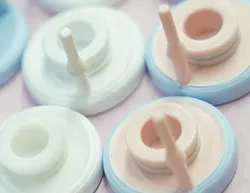
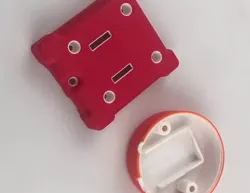
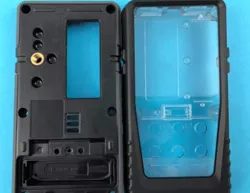
The injection overmolding process is compatible with a wide variety of materials, ranging from plastics to metals. This process helps produce custom prototypes and production parts for various applications depending on your requirements. Several industries find valuable uses for overmolding services.
Ready to start your overmolding project?
RJCmold provides end-to-end support, from DFM and tooling to volume production.
With advanced mold design and manufacturing capabilities and over 300,000 square feet of in-house production space,
we deliver high-quality overmolded parts that meet your exact specifications.