Polymers and monomers are two closely related concepts in polymer materials. Simply put, a monomer is the basic molecular building block used to form a polymer, while a polymer is a large molecule formed when multiple monomers join together through polymerization. The two differ significantly in molecular size, structure, properties, and how they are used in manufacturing.
1. Key Differences Between Polymer and Monomer
| Comparison | Polymer | Monomer |
| Definition | A large molecule made up of many repeating structural units | A small molecule capable of undergoing polymerization to form a polymer |
| Molecular size | Larger | Smaller |
| Molecular weight | Usually high | Usually low |
| Molecular structure | May consist of long chains, branched chains, or network structures | Relatively simple molecular structure |
| Physical properties | Commonly solid or highly viscous, with relatively low volatility | Many monomers are liquids or gases, and some are highly volatile |
| Role in polymerization | The product formed by polymerization | The basic raw material used in polymerization |
| Common examples | PE, PP, PS, PVC, PMMA | Ethylene, Propylene, Styrene, MMA |
2. What Is a Polymer?
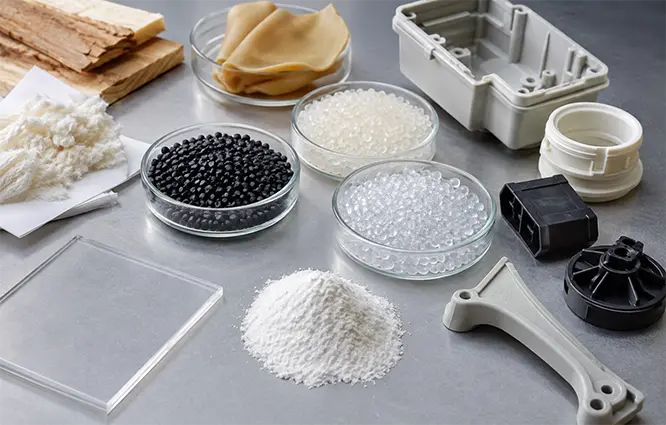
A polymer is a large molecule made up of many repeating structural units connected by chemical bonds. The small molecules from which these structural units originate are usually one or more types of monomers.
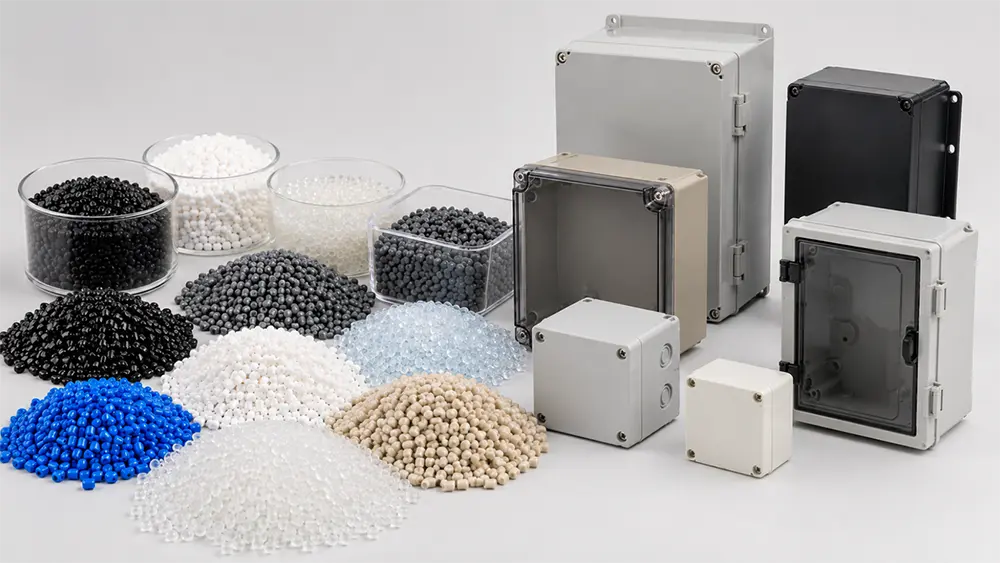
Polymers can occur naturally, such as cellulose, natural rubber, and proteins, or they can be produced synthetically. At room temperature, most common industrial polymers are solids and are typically supplied or used in forms such as pellets, powders, sheets, or finished molded parts.
Common polymers include:
PE (Polyethylene): Commonly used for packaging, containers, and pipes
PP (Polypropylene): Commonly used for injection-molded parts, automotive components, and consumer products
PS (Polystyrene): Commonly used for packaging and plastic housings
PVC (Polyvinyl Chloride): Commonly used for pipes and wire insulation
PMMA (Polymethyl Methacrylate): Commonly used for transparent covers, lenses, and clear sheets
Nylon: Commonly used for gears, bearings, and other engineering components
3. What Is a Monomer?
A monomer is a small molecule that can undergo polymerization and bond with identical or different molecules to form a polymer.
Monomers usually contain structures or functional groups that can participate in chemical reactions. At room temperature, a monomer may exist as a gas, liquid, or solid, depending on its molecular structure and physical properties.
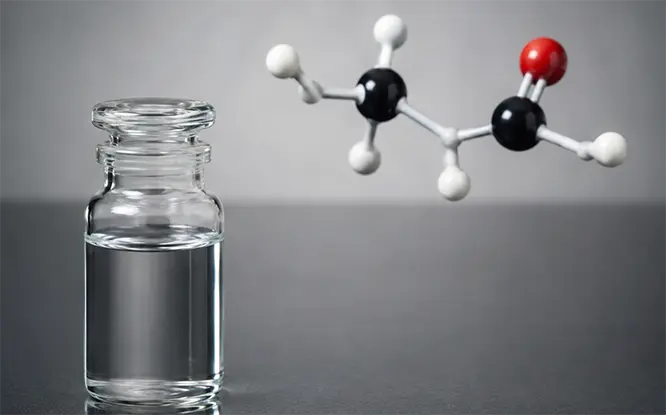
Common monomers include:
- Ethylene
- Propylene
- Styrene
- Vinyl Chloride
- Methyl Methacrylate
- Tetrafluoroethylene
4. How Does a Monomer Form a Polymer?
The process by which monomers form polymers is called polymerization. Different polymers are produced through different reaction mechanisms, with addition polymerization and condensation polymerization being two common types.
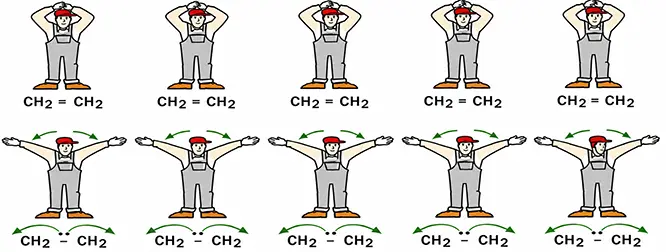
Addition Polymerization
Addition polymerization commonly occurs with monomers containing reactive structures such as carbon-carbon double bonds. During the reaction, monomers continuously link together to form long molecular chains, generally without producing small-molecule by-products such as water.
Common thermoplastic polymers such as PE, PP, and PS can be produced through this type of polymerization.
Condensation Polymerization
Condensation polymerization generally involves monomers containing two or more reactive functional groups. The monomers gradually link together to form a polymer, while small molecules such as water or methanol may be released as by-products.
For example, polyesters and some polyamides can be produced through condensation polymerization.
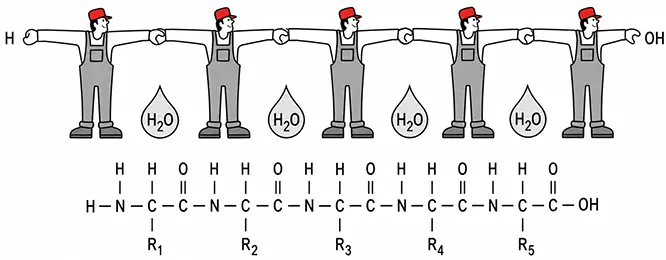
Compared with addition polymerization, condensation polymerization often involves two different types of reactants. However, the basic purpose remains the same: to connect smaller molecules and form larger polymer molecules.
5. Common Monomer and Polymer Examples
| Monomer | Polymer |
| Ethylene | Polyethylene (PE) |
| Propylene | Polypropylene (PP) |
| Styrene | Polystyrene (PS) |
| Vinyl Chloride | PVC |
| Methyl Methacrylate (MMA) | PMMA |
| Tetrafluoroethylene | PTFE |
As these examples show, the names of monomers and their corresponding polymers are often directly related. For example, propylene is a monomer, while adding the prefix “poly-” gives polypropylene, a polymer made up of structural units derived from propylene.
6. What Is the Difference Between Polymer, Monomer, and Plastic?
A monomer is the molecular raw material used to produce a polymer; a polymer is a large molecule formed through polymerization; and a plastic is typically a processable material in which a polymer serves as the primary component, along with other ingredients added to meet specific performance requirements.
For example, a commercial plastic material may contain more than just the base polymer. It may also include pigments, stabilizers, flame retardants, plasticizers, glass fibers, and mineral fillers.
Therefore, Monomer → Polymer → Plastic Material can be viewed as a typical material production pathway.
A monomer itself is not a plastic. Likewise, a polymer is not necessarily a plastic. Cellulose and proteins, for example, are polymers, but they are not generally classified as plastics.
7. Applications in Molding Processes
The differences between monomers and polymers are not limited to molecular structure. In manufacturing, they may also follow different processing and molding routes.
1) Molding Methods for Monomers
Monomers are commonly used in certain reactive cast-molding processes. A liquid monomer or reactive system—consisting of an initiator or catalyst together with any necessary additives or comonomers—is first introduced into a mold. Polymerization is then triggered by heat, catalysts, or other methods, forming the final polymer product directly inside the mold.
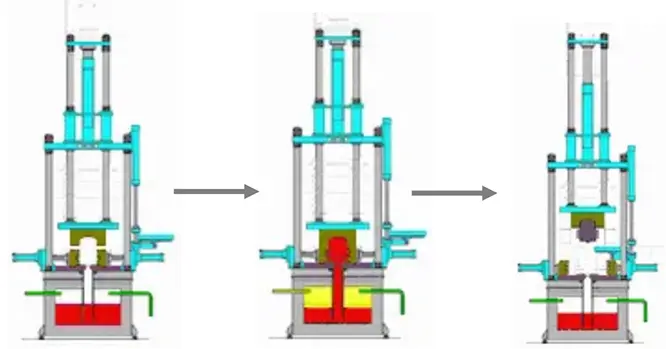
Common examples include:
Eyeglass lenses: Optical monomer systems such as CR-39 can be cast and polymerized to produce transparent resin lenses.
Cast PMMA: MMA monomer or an MMA-based reactive system polymerizes inside the mold to form PMMA, commonly used for acrylic sheets and thick transparent panels.
Cast Nylon 6: Caprolactam polymerizes inside the mold to form Nylon 6, which is commonly used for large gears, rollers, pulleys, and other mechanical components.
2) Molding Methods for Polymers
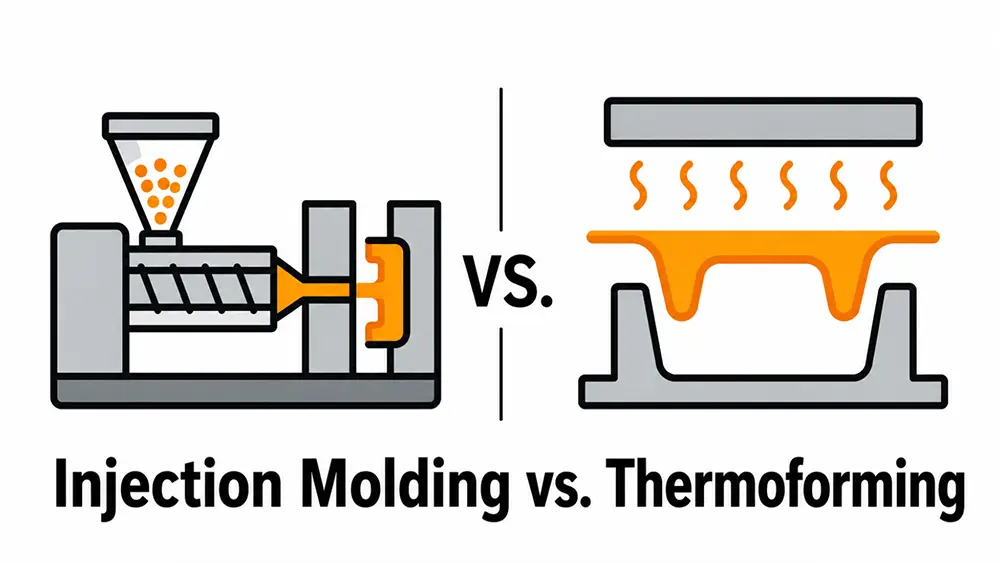
Thermoplastic polymer that have already undergone polymerization can be processed using a wider range of conventional plastic manufacturing methods, including injection molding, extrusion, blow molding, and thermoforming.
Common polymer processing methods and products include:
Injection molding: Plastic housings, connectors, gears, and automotive parts
Extrusion: Pipes, profiles, and films
Blow molding: Bottles, drums, and other hollow products
Thermoforming: Trays, packaging containers, and large plastic covers
FAQ
Q1: Are all monomers liquids?
No. Monomers can exist as gases, liquids, or solids depending on the specific chemical substance and environmental conditions.
Q2: Can monomers be used directly to manufacture parts?
Yes. Some reactive casting processes allow monomers or reactive systems to polymerize directly inside the mold.
Q3: Can one monomer form different polymers?
Yes. Different polymerization conditions, molecular structures, or reaction mechanisms can produce polymers with different structures and properties.
Q4: What Is a Copolymer?
A copolymer is a polymer formed from two or more different types of monomers.
Q5: Can a Polymer Be Converted Back Into a Monomer?
Some polymers can be converted back into monomers through depolymerization or chemical recycling, but this is not practical for every polymer.