After conducting a four-dimensional decision analysis on your project, you decide to choose a Chinese manufacturer. However, you find that this decision makes you hesitate as well: On one hand, there is the attractive cost advantage and manufacturing flexibility of the Chinese supply chain; on the other hand, there are various rumors about inconsistent quality, communication barriers, and intellectual property risks. At this point, you might search online, but usually you will get responses like the following one:
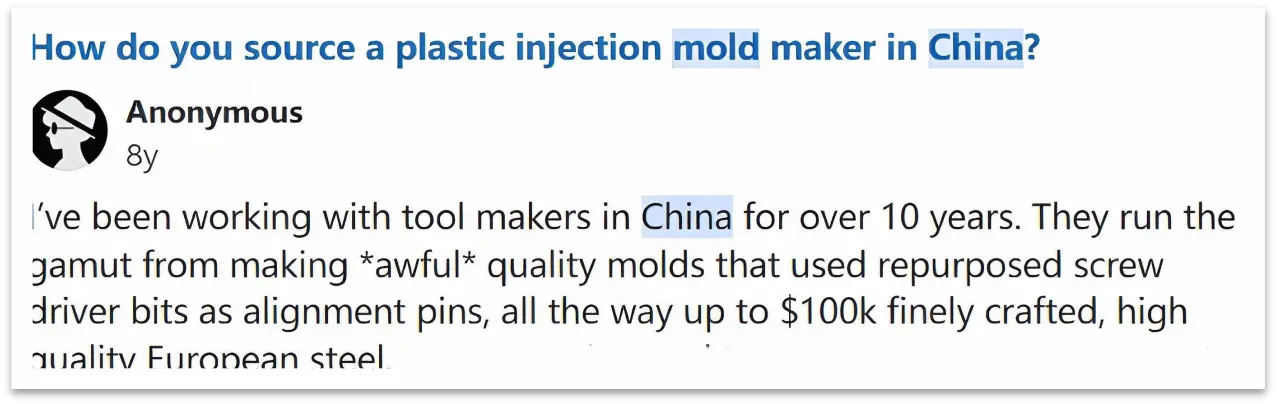
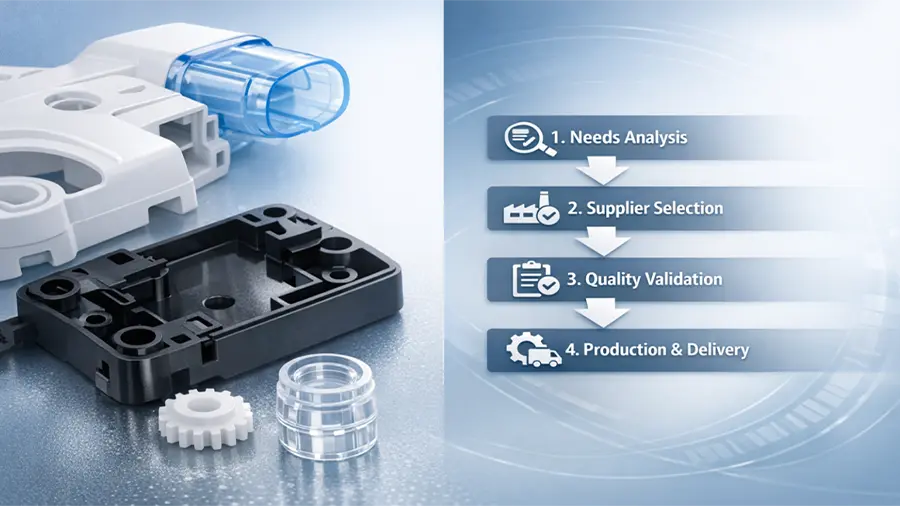
Regardless of the truth, you can follow the seven main steps to help you avoid the pitfalls:
Step 1: Confirm Your Project
1. Determine the product market positioning
Do not simply solicit price from various suppliers as soon as the product design drawings are finalized. It is better to clearly define the market positioning of the product before proceeding. The key lies in first figuring out “who am I and who do I sell to”, and then deciding “who to find for production”. This will also help narrow down the selection range. Injection molds are applied in numerous industries, but this does not mean that the largest or most well-known injection molding companies are suitable for you. It’s best to think through the above questions before making a choice. This way, you can avoid unnecessary expenses.
2. Set the budget and timeline
- Cost awareness: Separate the mold cost from the unit price of the parts. The cost of a high-quality mold is relatively high, possibly 2-3 times that of a cheap mold, but in the long run, the unit cost is lower.
- Time planning: Once you’ve decided to work with a Chinese manufacturer, you should have a basic understanding of an injection molding project cycle. This will allow you to reserve reasonable and sufficient time for your project. For a custom large-scale mold made of high-hardness steel, from receiving the order to producing the first sample, it generally takes a full 6 to 14 weeks.
Based on our years of mold manufacturing experience, be highly vigilant about the “28-day delivery” commitment – when a factory gives you such a commitment, it means they have skipped the necessary design review and mold flow analysis, or used low-grade pre-hardened steel (instead of achieving the best performance through heat treatment). But they will not tell you that the mold lifespan will be shortened by more than 30%, and there will be frequent production failures.
3. Clarify technical requirements
Prepare a professional technical technical specification document, which serves not only as the basis for quotations but also as the primary critical threshold for screening suppliers. It should include:
- 3D model files: It is recommended to use common formats such as STEP or IGES.
- 2D engineering drawings: Clearly mark all key dimensions, tolerances (GD&T), surface finishes requirements, and necessary form and position tolerances.
- Material specifications: Clearly specify the plastic grade (such as ABS, PC + ABS) and any special certification requirements (such as UL94 flame retardant, FDA food contact, RoHS).
- Expected production volume: This directly affects the number of mold cavities, steel selection, and life design.
4. Include protection clauses
This is the step that is most easily overlooked but has the most serious consequences. Mold factories usually assist in improving the design of products or molds, but some will refuse to grant the buyer the rights required for patent application. Therefore, before sharing any design files, an NDA and an IP agreement must be signed with the supplier. Regardless of the design assistance or improvements provided by the supplier, all the IP generated will be unconditionally owned by the buyer.
Step 2: Source and Shortlist Suppliers
1.Find Factories Through Multiple Channels
- Industry exhibitions: such as “CHINAPLAS, DMC (Die & Mould China)”. Face-to-face communication allows for an intuitive assessment of their technical capabilities, professionalism, and main customer base.
- Online platforms (efficient but require verification): On platforms like Alibaba International Station, Made-in-China Network, etc..Focus on high-quality suppliers, but review their factory videos, equipment lists, and use the RFQ function to obtain targeted quotations.
- Deep search: Use long-tail keywords for Google searches, such as “Shenzhen Precision Enclosure Injection Mold Factory”, which may lead to experts in specialized fields who are not good at marketing but have excellent technical skills.
- Supply Chain Referrals: Existing product suppliers with good cooperation, friends in the same industry, logistics freight forwarding companies (can obtain information about factory delivery: whether the export operation is standardized, whether the delivery time is stable)
2.Develop a data-driven supplier shortlist (10-15 companies)
- Factory/company indicators: Prioritize companies that have been established for more than 10 years – the survival cycle is the best endorsement of their capabilities and reputation. Require them to provide ISO9001 and other quality system certificates (even if you don’t need them for your current project), which indicates that they have the foundation for process management.
- In-depth background investigation:
Customer references: Require the provision of at least 2-3 overseas customers as references and try to contact and verify.
Customs data verification: This is a severely underestimated tool. Through public customs data such as US PIERS, you can query the supplier’s past export records, which is solid evidence to verify their actual export capabilities and customer base.
Be vigilant of “chameleon” factories: There were some companies that frequently changed their names or used different shell companies for design, sales and production. This is a sign of management chaos or an attempt to evade responsibility. When problems arise, they shift the blame onto each other, leaving customers with nowhere to complain.
Step 3: Tech Exchange, Quote Request, Proposal Evaluation
After formulating the screening list, have a brief communication with these suppliers and only send product pictures or product overviews to inquire about previous similar experiences, production capacity, equipment list, etc. Then select about 5 or so suppliers who are basically satisfactory to conduct in-depth quotations, including:
1.Issue a Professional RFQ ( about 5 companies)
Send the technical package to shortlisted suppliers and evaluate their response time and question quality.
2. Interpret of the DFM Report (Core Evaluation)
The DFM report is the core for evaluating a supplier’s technical capabilities. High-quality suppliers do not simply quote prices; instead, they will first provide a detailed DFM report, identifying potential issues in your design (such as uneven wall thickness, insufficient draft angle, and structures that are difficult to mold) and proposing optimization suggestions.
A poor-quality mold maker will just merely slap on a draft angle to your design, and call it a day. However, excellent mold engineers will use mold flow analysis to optimize the gate position and cooling waterways, reducing warping and shortening the cycle time. Their value far exceeds the additional costs in the early stage.
3.Dissect the Quotation
Before delving into the details of the price, it is essential to first confirm the mold standard system followed by the quotation. This is directly related to the country or region where the molds are ultimately exported, rather than to the product itself. Different markets have long developed their own standard component systems for the mold industry, so during the initial stage of mold design, it is necessary to confirm with Chinese mold manufacturers:
For molds exported to Europe, it is usually recommended to adopt the HASCO standard; for molds exported to the United States, the DME standard is more commonly used. Using standard components that conform to the local commonly used system will make it easier for you to carry out maintenance, spare parts replacement, and system compatibility after the molds are put into production. It can also avoid downtime, rework, or additional modification costs due to inconsistent standards.
A responsible quotation should be transparent and should at least include:
- Mold cost: total price, itemized price (design engineering cost, mold material, processing cost, standard component purchase cost, mold trial and debugging cost), delivery date, mold life guarantee (such as 1 million cycles).
- Technical specifications: number of cavities, mold size, steel brand and hardness of each component, hot runner brand, surface treatment, required injection machine tonnage.
- Commercial terms: payment method, ownership of the mold, warranty terms.
Be wary of ambiguous items: If the quotation only states “imported steel” without specifying the brand and model, ask for clarification.
Understand alternative solutions: Reputable suppliers usually offer options, such as “core made of Swedish ASSAB 8407, or the same grade Chinese steel LH, with a price difference of XX”. Chinese steel performs well in appropriate applications, but you have the right to make an informed choice.
Payment terms red line: The upfront payment should not exceed 30-50%, and the final payment (at least 30%) must be paid after you have confirmed the receipt of acceptable samples (T1 sample).
Step 4: Audit Factories and Evaluate Capabilities(about 3 companies)
After conducting in-depth inquiries and shortlisting 2-3 “finalists” that are qualified in terms of technology, price, communication, and business, the factory inspection is the final step to make the final decision. If conditions permit, it is essential to conduct a physical factory inspection either personally or through a reliable third party. If conditions do not permit, a real-time video inspection must be carried out.
1.Facility & Equipment Assessment
- Processing equipment: Check whether the key equipment such as CNC, EDM, deep hole drilling, and wire cutting are modernized and well maintained.
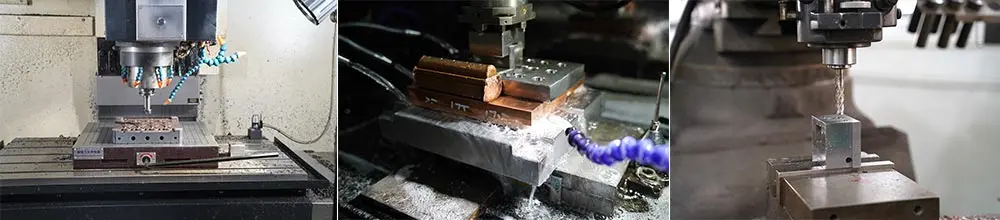
Do not overly focus on the age of the facility. Some older factories demonstrate greater stability. Focus on their equipment, materials, and on-site 5S management. Be cautious of factories where production machinery is overly clean and tools are excessively tidy!
- Mold trial capability: The factory should have injection molding machines of various tonnages, equipped with auxiliary equipment such as dryers and mold temperature controllers. In-house trial molding capability is considered critical for project efficiency.
- Inspection Instruments: The possession of CMMs, profile projectors, surface roughness testers, etc., is a direct reflection of their capability to implement in-process quality control.
A Real Story about Potemkin Factory
One of our long-term clients shared this experience: “I once visited a factory that looked perfect on the surface. The industrial estate was was very modern, and as soon as I entered the building, I would see eye-catching company logos and certification plaques, The reception process was very smooth as well. The staff in the factory all wore production uniforms with the company logo, and the entire workshop environment was very good, with new machines and even automated production machines. The receptionist were also quite professional in terms of technology and spoke fluent English. So I designated this supplier, and the quality, delivery time and price of the first batch of products met my expectations. The whole thing felt like I’d hit the jackpot. But once we really got going with mass production, things started to slip — the quality and delivery times became all over the place. Luckily, I had a friend based there, so I asked him to dig into it for me. He discovered that the actual production was arranged in a corner of a declining factory in a neighboring city by a group of different and inexperienced workers. Those shiny equipment, even the technical personnel for reception, were specially prepared for the client’s factory inspection.”
2. Intangible Factors Assessment
- Design Team: Confirm that they have an in-house design team and are using legitimate design software (such as UG, Pro-E). This is the foundation for their provision of DFM services.
- Project Management: Understand their project follow-up process, whether there is an exclusive project manager, and the frequency of communication.
- Communication Quality: Assess the English proficiency of the sales or engineers you are in contact with, and more importantly, their technical comprehension ability. If the project coordinator doesn’t understand injection molding at all, it will make things many times more difficult.
Step 5: Negotiate and Finalize the Contract
Upon the completion of the factory inspection, it signifies the end of the assessment phase and the beginning of the decision-making and action phase: Hold a decision-making meeting with internal personnel, objectively score based on the on-site records, and determine the most suitable one. The others that are relatively good can be considered as alternative suppliers. After the decision is made, convert all the agreed details into legally binding agreements.
The key clauses of the contract should include: intellectual property rights, payment terms, delivery and acceptance standards, mold ownership and storage, confidentiality clauses, warranty clauses, mold transfer and cooperation clauses.
Step 6: Manage Project and Approve Samples
1. Freeze Design and Launch Production
Hold a project kick-off meeting to identify the individuals from both parties who will be responsible for coordinating the project. Carefully review and approve the final mold design drawings. It is essential to require the supplier to provide the final 3D mold and part drawings, as these are the key assets for future maintenance and repair.
2. Trial Run and Sample Approval
- Mold Trial Report: Require the supplier to provide a detailed mold trial report, including the process parameters, problems encountered and the adjustment measures taken.
- First Sample Inspection: Conduct strict inspections on the T1 sample regarding dimensions, appearance and functionality. If necessary, entrust it to a third-party testing institution.
- Parameter Fixation: After the sample is approved, the supplier is required to provide an optimized injection molding process parameter table for your use in setting the parameters during mass production.
6.3 Project Closure and Delivery
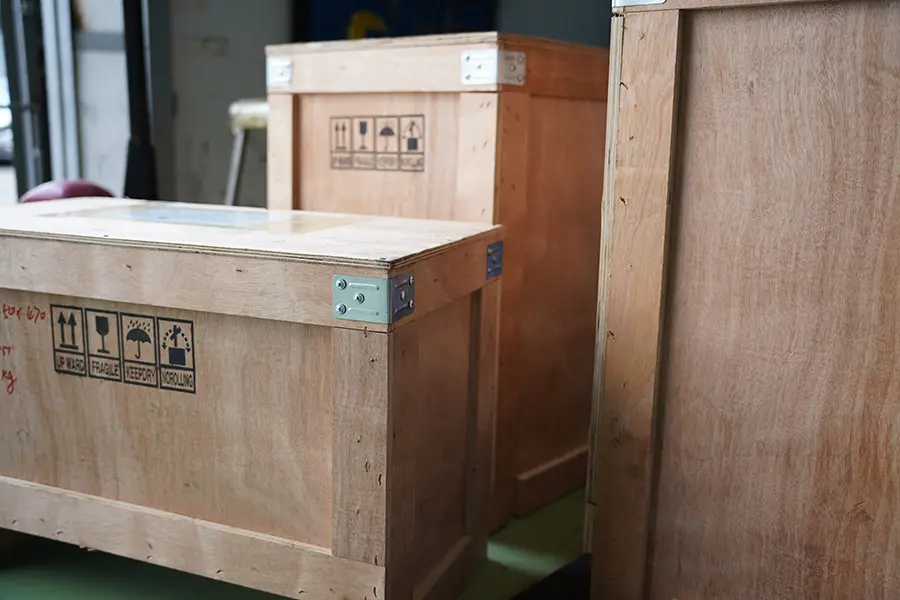
Confirm the packaging requirements for the molds themselves, such as rust prevention treatment inside and outside the molds; the molds must be fixed in wooden boxes that have undergone standard fumigation treatment in accordance with the IPPC standards. If production is to be carried out in China, after mass production, clearly define the packaging specifications of the products (number per box, labels, environmental protection requirements).
Step 7: After-sales Support and Long-Term Maintenance
The lifetime value of a set of molds largely depends on the supplier’s response to after-sales inquiries and technical support capabilities.
- Quality Assurance Period: Clearly specify the warranty period for the molds in the contract (usually 1-2 years or a certain number of injection cycles), and clearly define the warranty scope (excluding normal wear and tear).
- Fault Response Mechanism: Agree on the response process, communication channels, and the time limit for providing initial solutions (such as providing remote diagnosis within 24 hours) in case of emergency faults.
- Maintenance Services and Spare Parts:
Spare parts supply: Confirm the documentation and long-term supply guarantee for key wear-prone parts (such as pins, barrels, thermocouples). Quality suppliers will provide a set of standard spare parts with the molds.
Maintenance options: Clearly define whether major repairs or modifications must be returned to the original factory or whether authorized maintenance at the customer’s location is supported. Understand the approximate travel time and cost composition.
Technical Support: The supplier should be able to continuously provide process optimization suggestions and parameter adjustment guidance when you replace the injection machine or materials.
Mold Management and Refurbishment: Discuss the maintenance requirements for long-term mold shutdowns and the service and quotation process for refurbishment (such as polishing, replacing steel materials) after several years.
The true cost is the total cost of ownership for the mold – including purchase price, maintenance downtime, spare parts costs, and engineering fees for each modification. A supplier that offers a slightly higher price but provides clear and reliable after-sales support is almost always a cheaper option in the long run.
A Final Note
The “Unspoken” Culture
- “Saving face“: Suppliers may rarely directly say “We can’t do this product” but instead offer extremely high prices or delay to decline. At this time, don’t ask “Why”, but ask them about the issues related to their actions (for example: To reach my target price, what three most critical technical indicators do you need me to adjust?) If the other party doesn’t respond, it means they are not capable of completing your project, and you don’t need to waste time waiting for a reply.
- “Bait Pricing“: Be wary of initial extremely low quotations but frequent price increases in DFM modifications, steel upgrades, or trial mold attempts.
Insider Advice:
A smart strategy: Once a mold supplier is designated, if high-volume production in China is planned for later, remember:
Don’t bear the entire inventory on your own and try to get the factory help you store some as well. If their machines break down, you won’t be afraid of running out of stock, and you won’t have as much capital tied up. If the initial production volume is small, don’t look for a factory that only takes large orders. The same goes for the opposite situation; if you need large-scale production later, it doesn’t necessarily mean you have to change the supplier. However, you should inquire in advance about the matching degree between the factory and your production volume. In case your products is flying off the shelves, do they have the ability to keep up? Will they increase the price?