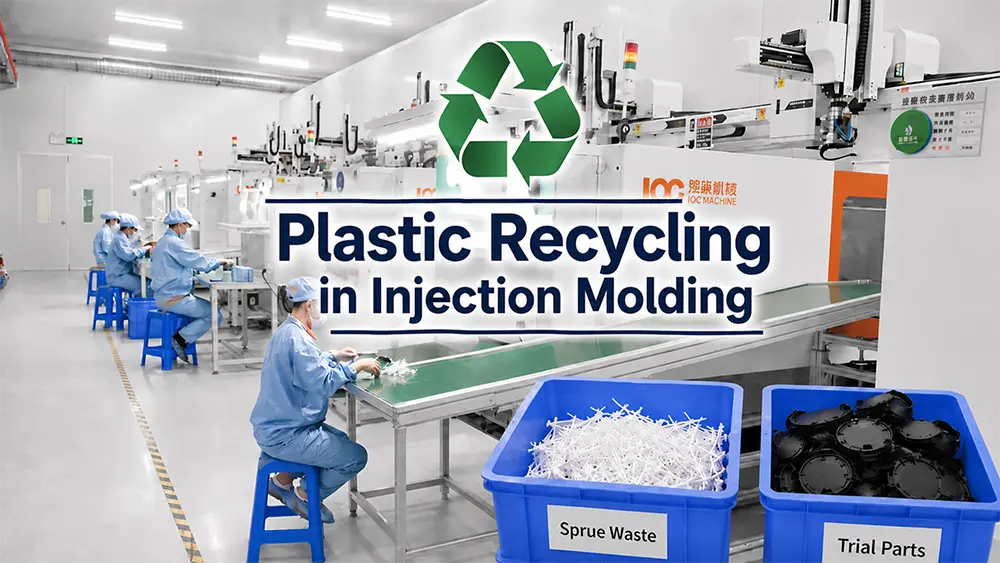
Plastic is everywhere in our lives. From the bottled water in your hand to the dining table at home, traces of plastic can be found in almost every aspect of daily life. In the vast “world of plastics,” there are some plastics that can be reused, such as PP, HDPE, Tritan, PC, and ABS. Today, let’s take a closer look at the characteristics of these plastics and learn how to identify plastic symbols, so that we can choose safe and reliable plastic products for everyday use while supporting environmentally friendly and sustainable development.
What Are “Reusable Plastics”?
First, we need to clarify two concepts that are often confused: “reusable” does not mean the same thing as “recyclable.” Some plastics are both reusable and recyclable, while others are recyclable but not suitable for long-term repeated use.
| Category | Definition | Key Difference |
| Reusable Plastics | Plastics designed to support repeated washing and multiple uses, capable of long-term contact with food or water without quickly degrading or releasing harmful substances | Focuses on safe repeated use, with the goal of long-term reuse |
| Recyclable Plastics | Plastics that can be collected and reprocessed into new plastic products, such as disposable water bottles and takeout containers | Focuses on material recycling; most are designed for one-time use and are not recommended for repeated use |
Which Plastics Can Be Reused?
| Plastic Type | Characteristics | Applications |
| PP | Heat-resistant, corrosion-resistant, microwave-safe | Food containers, beverage cups, tableware |
| HDPE | High strength, chemical-resistant | Milk bottles, water buckets, trash bins |
| Tritan | BPA-free, impact-resistant, highly transparent | Children’s cups, sports water bottles |
| LDPE | Flexible, corrosion-resistant, impact-resistant | Reusable zipper bags, squeeze bottles |
| PC | High strength, heat-resistant (choose BPA-free options) | Baby bottles, kitchenware |
| ABS | Hard and wear-resistant, suitable for long-term use | Appliance housings, toys |
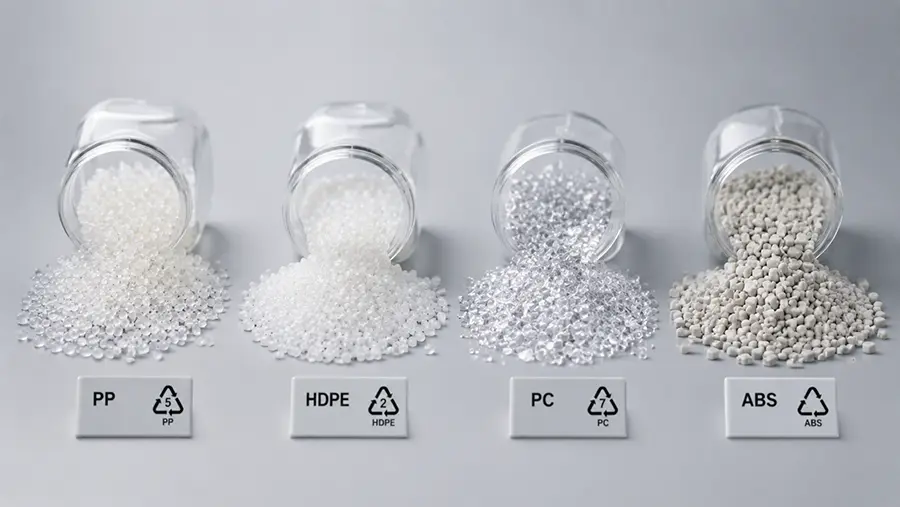
Even when using reusable plastics, it is important to avoid high temperatures or highly acidic and alkaline environments, as these conditions may cause harmful substances to be released.
Which Plastics Are Not Recommended for Reuse?
In daily life, the following plastics are generally not recommended for repeated use:
PVC:
PVC may contain plasticizers, which could pose health risks with long-term use. Examples include plastic wrap and water pipes.
PS:
PS is commonly used in disposable products such as foam lunch boxes and disposable cups. When heated, it may release harmful substances.
Single-use PET:
Most beverage bottles sold on the market are designed for one-time use and are not suitable for repeated reuse.
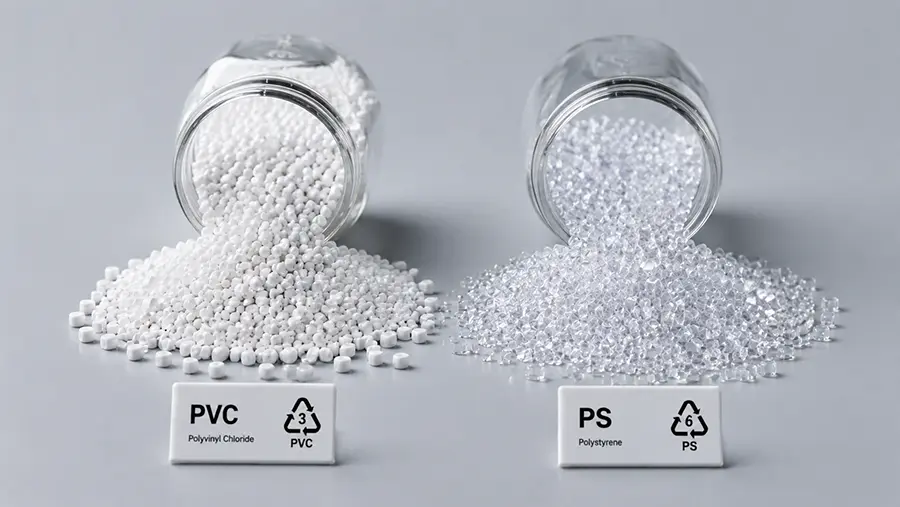
How to Identify Reusable Plastic Symbols
Plastic containers often have a special symbol printed on the bottom: a triangle made of arrows with a number inside. These numbers are called Resin Identification Codes (RIC) and range from 1 to 7. They can help us determine whether a plastic material is safe for repeated use.
| Number | Material | Usage Recommendation |
| 1 | PET | Single-use, not recommended for reuse |
| 2 | HDPE | Suitable for repeated use at room or low temperatures |
| 3 | PVC | Not recommended for reuse |
| 4 | LDPE | Suitable for short-term reuse, not heat-resistant |
| 5 | PP | Safe for long-term repeated use |
| 6 | PS | Single-use, not recommended for reuse |
| 7 | Others (including Tritan, PC, ABS, etc.) | Depends on the specific material; BPA-free food-grade products are preferred |
In addition, there are two other labels worth paying attention to:
BPA-Free:
A BPA-Free label means the product does not contain Bisphenol A (BPA), a chemical that has raised health concerns. This label is commonly found on water bottles and baby products, making them more suitable for long-term use.
Food-Grade Label:
Some containers are marked as “food contact safe,” “food grade,” or include a fork-and-cup symbol. These indicate that the product meets food-contact safety standards and can safely be used to store food.
Which Plastics Can Be Reused in Industrial Applications?
Plastics are among the most commonly used materials in industrial applications. Many plastics can be reused because of their material properties, such as:
HDPE:
Used in industrial storage bins and chemical barrels, HDPE can be repeatedly cleaned and reused. Some food-grade HDPE containers are also suitable for repeated food ingredient storage.
PP:
Widely used in industrial pallets, logistics turnover boxes, and chemical containers resistant to acids and alkalis. Its chemical resistance makes it suitable for repeated industrial use.
Reusable PET (Thicker Versions):
Industrial reusable beverage bottles and commercial storage bottles made from reinforced PET can withstand repeated filling and cleaning dozens of times. These are fundamentally different from ordinary disposable PET bottles.
POM (Polyoxymethylene):
Used for industrial gears and wear-resistant parts, POM offers excellent wear and aging resistance for long-term reuse, although it is not typically used for food-contact applications.
Engineering Plastics PC and ABS:
Commonly used for machine components, tool handles, and other high-strength applications.
Recycled Plastics:
Some waste plastics can be industrially processed into products such as plastic sheets and pipes.
Industrial production generates large amounts of plastic waste. Choosing reusable plastics can help companies reduce costs, minimize environmental pollution, and support sustainable development.
For more information about industrial plastic materials and selection tips, please visit How to Choose the Right Plastic for Injection Molding — RJC Mold.
Frequently Asked Questions (FAQ)
Q1: Can I refill a disposable water bottle after washing it?
A: It is not recommended. Ordinary bottled water containers are made from #1 PET plastic and are designed for single use. Repeated washing may scratch the inner surface, allowing bacteria to grow. Long-term contact with water, especially hot water, may also cause harmful substances to be released.
Q2: How do I read the number symbols on takeout containers? Can they be microwaved?
A: Check the number on the bottom. Generally, only #5 PP containers are suitable for microwave heating and repeated use. Containers made from #1 or #6 plastics should neither be heated nor reused.
Q3: Does BPA-Free mean a product is always safe for long-term reuse?
A: Not necessarily. BPA-Free only means the product does not contain Bisphenol A. You still need to consider whether the material itself is suitable for repeated use. For example, some BPA-Free #4 LDPE plastic wraps are still not recommended for prolonged contact with hot food.
Q4: How long can reusable plastic containers last?
A: There is no fixed lifespan. It mainly depends on the level of wear and aging. If a container becomes scratched, yellowed, warped, develops odors, or becomes brittle after repeated high-temperature sterilization, it should be replaced. Even #5 PP containers are not recommended for food contact once significantly aged.
Conclusion
Choosing reusable plastics and regulating plastic use from the source can effectively reduce plastic waste and environmental pollution. In everyday life, actively choosing reusable plastics not only helps protect our health and safety but also contributes to environmental sustainability through practical action.