Custom PPSU Injection Molding
We mold polyphenylsulfone (PPSU) parts for applications that require impact resistance and exposure to hot water or repeated steam sterilization. We support your project from part design review and mold manufacturing through molding trials and production.
Request a Quote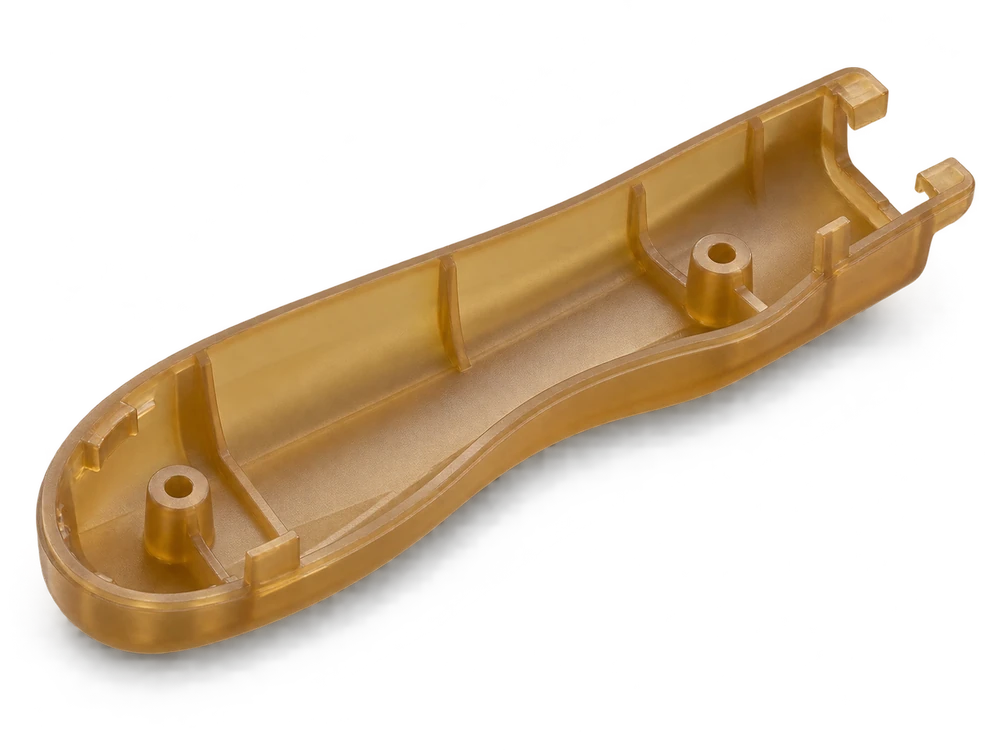
PPSU Injection Molded Parts and Applications
-
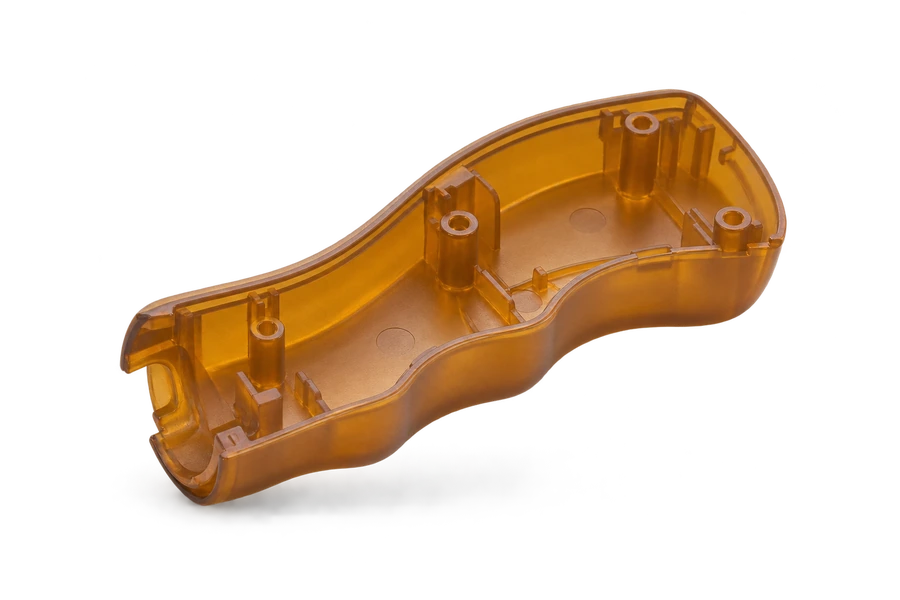
Reusable Instrument Handles
PPSU handles combine impact resistance with resistance to repeated steam sterilization.
-
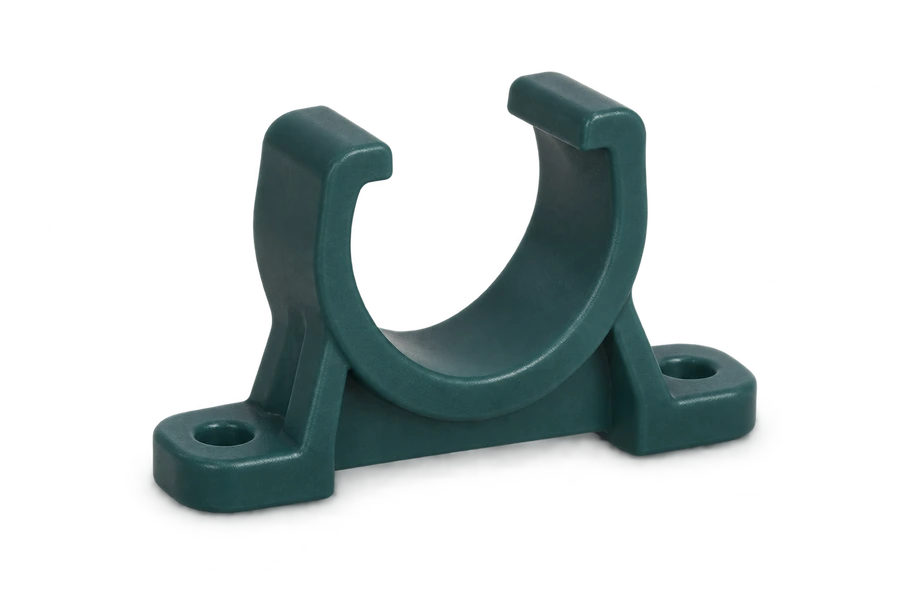
Sterilization Tray Clips
Retaining clips hold instruments in place during handling and steam sterilization.
-
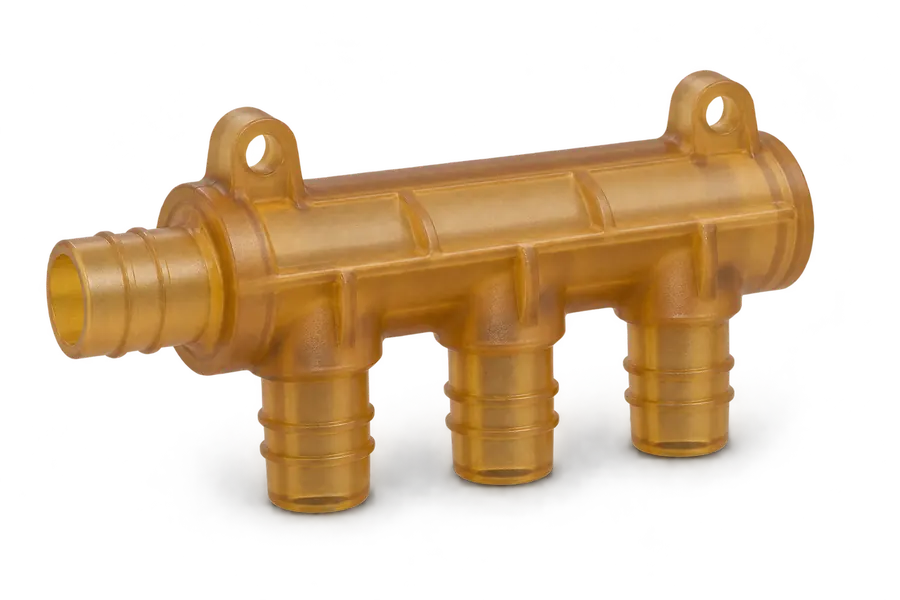
Hot-Water Manifolds
Manifold bodies distribute hot water through multiple outlets. The design accounts for operating temperature, pressure, and seal fit.
-
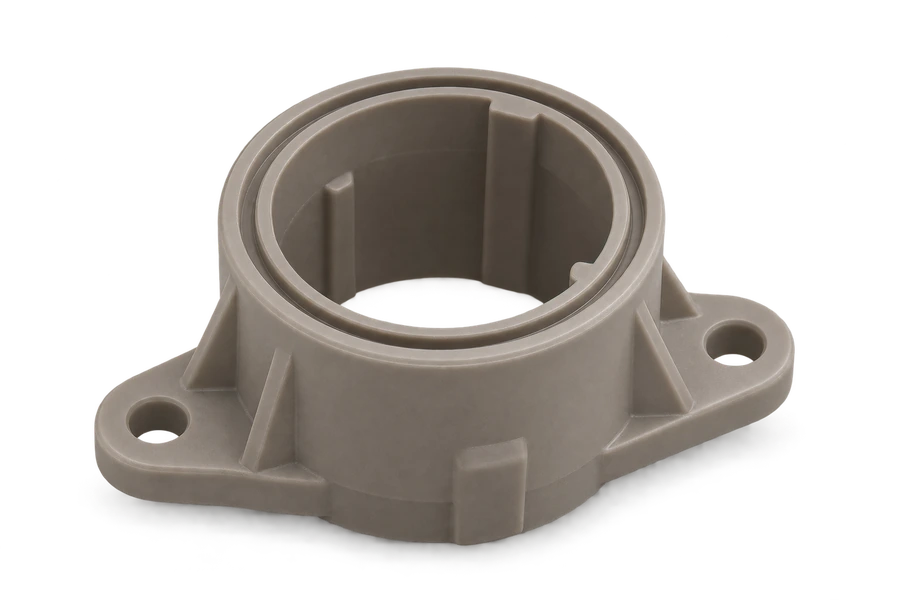
Steam-Exposed Sensor Housings
For housings exposed to steam, seal fit and mounting dimensions are checked after thermal cycling.
PPSU Material Properties
| Property | Radel® R-5000 | Test Method and Conditions |
|---|---|---|
| Heat Deflection Temperature (HDT) | 207°C | ASTM D648 · 1.8 MPa · 3.18 mm, unannealed |
| Glass Transition Temperature (Tg) | 220°C | ASTM E1356 |
| Notched Izod Impact Strength | 690 J/m | ASTM D256 · 3.18 mm specimen |
| Tensile Strength | 69.6 MPa | ASTM D638 · 3.18 mm specimen |
| Flexural Modulus | 2.41 GPa | ASTM D790 · 3.18 mm specimen |
| Water Absorption | 0.37% | ASTM D570 · 24 hours |
| Density | 1.29 g/cm³ | ASTM D792 |
Values are typical for Radel® R-5000 PPSU. HDT measures short-term deflection under a specified load. Assess continuous service temperature and steam sterilization performance under the finished part’s intended conditions.
Design Considerations
for PPSU Injection Molding
Wall Thickness and Corner Radii
Keep walls as uniform as possible and use gradual transitions where thickness changes. Add radii at the roots of bosses and snap fits to reduce stress concentrations.
Gate Location and Weld Lines
Review how the melt flows around holes and cores when choosing gate locations. Where possible, keep weld lines away from sealing surfaces and highly stressed features.
Critical Fits and Cycle Validation
Identify datums, sealing surfaces, and critical fits on the drawing. Check trial parts as molded and again after the specified steam sterilization or hot-water exposure cycles, where applicable.
What Is PPSU?
Polyphenylsulfone (PPSU) is an amorphous thermoplastic that combines heat resistance with high impact strength. Natural, unfilled PPSU typically has a translucent amber tint.
PPSU is used in reusable instrument handles, sterilization tray clips, and hot-water components such as manifolds and fittings.
Benefits of PPSU for Molded Parts
-
Repeated Steam Sterilization
PPSU resists degradation from repeated exposure to hot, pressurized steam, making it suitable for reusable parts that undergo autoclave cycles.
-
Hot-Water Resistance
PPSU resists hydrolytic degradation during prolonged hot-water exposure, a useful property for fluid-handling parts such as manifolds and fittings.
-
High Impact Strength
PPSU helps molded handles, clips, and housings withstand bumps and drops during routine handling.
From Tooling to Production
RJC designs and builds PPSU injection molds in-house. We check critical dimensions, assembly fit, and appearance on trial parts before moving into production.
Discuss Your PPSU Project- DFM Review Review the PPSU grade, part geometry, and critical tolerances. Confirm which surfaces seal or mate with other parts and whether the part will face steam sterilization or hot-water exposure.
- Mold Build Build the mold in-house using shrinkage data for the selected grade. Plan gate locations and cavity finishes around sealing surfaces, load-bearing features, and appearance requirements.
- Sample Approval Check trial parts against the drawing and agreed appearance criteria. Where cycle testing is in scope, recheck critical fits and sealing surfaces after the specified exposure.
- Production Use the resin drying and molding settings established during trials. Inspect production parts against the agreed dimensional and visual requirements.
PPSU Injection Molding FAQs
PPSU generally offers higher impact strength and better resistance to repeated steam sterilization than PSU. That makes it a common choice for reusable instrument handles and sterilization tray clips. PSU is also used for hot-water components such as filter housings and valve bodies. For either material, select the grade based on operating temperature, mechanical loads, and exposure cycles.
The cycle life depends on the resin grade, part geometry, and sterilization protocol. Define the cycle temperature, exposure time, and target number of cycles, then evaluate the finished part. Depending on its function, checks can include cracking, dimensional changes, assembly fit, and sealing performance.
Yes. Natural, unfilled PPSU typically has a translucent amber tint. Colored options depend on the resin grade and color formulation. If visibility through the part matters, specify the viewing area, target color, and any limits on haze or visible molding marks. www.syensqo.com
The quote typically lists mold tooling and molded-part pricing separately. Sampling, inspection, and any agreed testing can be included based on the project scope. Send your 3D files, estimated order quantity, and a drawing with critical dimensions and tolerances. Include the specified PPSU grade or describe the part’s operating conditions if grade selection is still open.
Request a Quote for Your PPSU Parts
Send us your 3D files, estimated order quantity, and a drawing with critical dimensions and tolerances. Include the specified PPSU grade, if available, and any operating requirements, such as repeated steam sterilization or hot-water exposure.